AQUADAPT-Nature Project
(2023–2027)
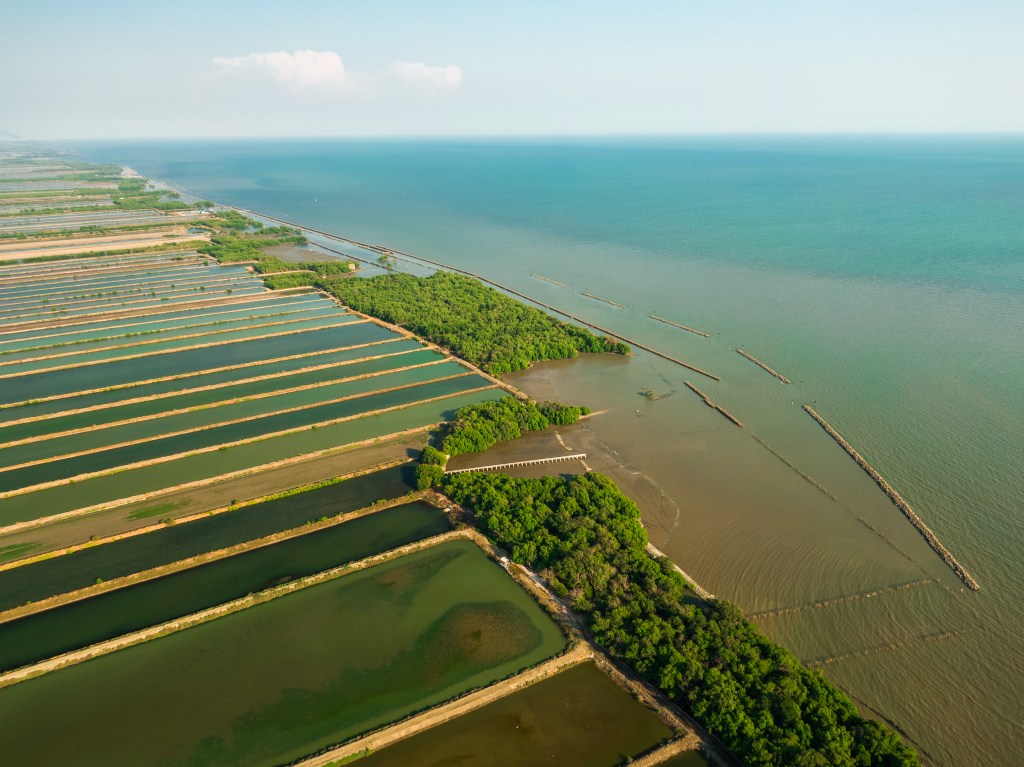
Increase the available sustainable options for small and medium-scale aquaculture farms that face climate change challenges in Thailand and Vietnam.
Recent Essays
-
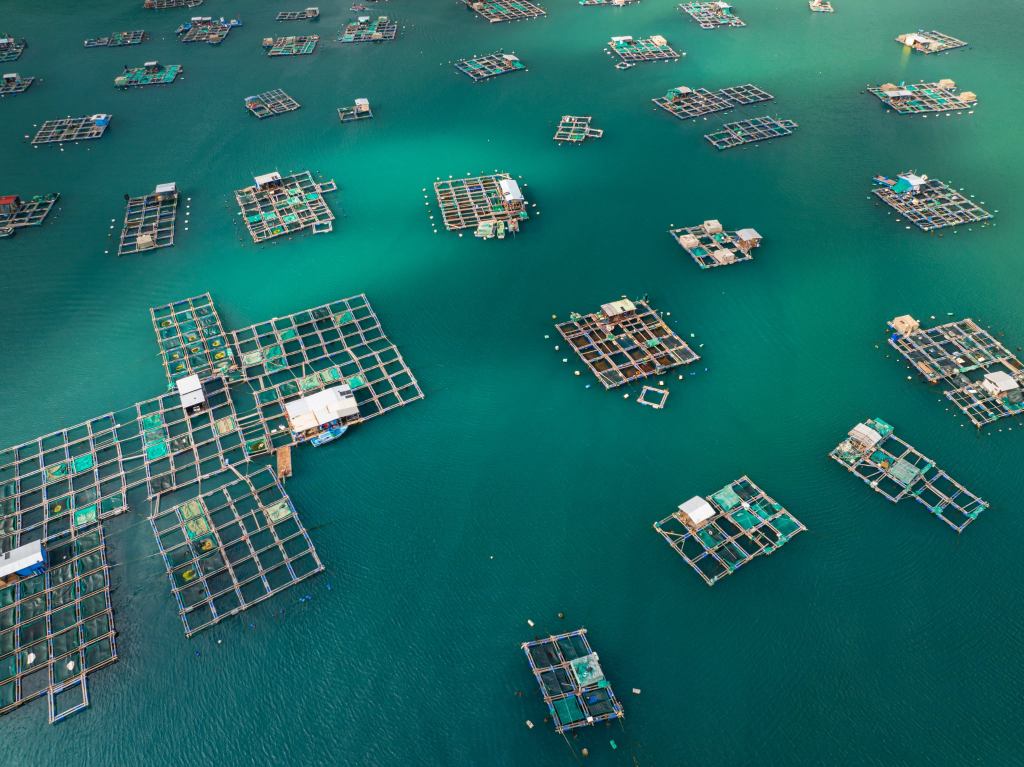
Aquaculture as a Nature-based Solution (NbS) for the Advancement of Gender Equity and Sustainable Development in the Lower Mekong Countries
Studies consistently show that gender-inclusive participation enhances productivity, as households which practice equitable management achieve higher yields and improved efficiency. Addressing gendered inequities is therefore not only a matter of social justice but also a pathway to stronger economic outcomes and sectoral resilience. Read more
-
តើព្រៃកោងកាងដើរតួនាទីយ៉ាងសំខាន់ក្នុងវារីវប្បកម្ម របស់ប្រទេសកម្ពុជាយ៉ាងណាខ្លះ?
ជារួមព្រៃកោងកាងគឺមិនអាចខ្វះបានសម្រាប់វារីវប្បកម្ម នៅប្រទេសកម្ពុជា ដោយសារវាផ្តល់នូវអត្ថប្រយោជន៍ផ្នែកបរិស្ថាន ការការពារ និងសេដ្ឋកិច្ច ដែលជាមូលដ្ឋានគ្រឹះនៃនិរន្តរភាព។ ការធ្លាក់ចុះនៃព្រៃកោងកាងកើតឡើងដោយសារតែការ បំផ្លិចបំផ្លាញដែលធ្វើឱ្យប៉ះពាល់ដល់សន្តិសុខស្បៀង និងជីវភាពរស់នៅ ប៉ុន្តែការច្នៃប្រឌិត និងគោលនយោបាយដែលជួយដល់កំណើនព្រៃកោងកាងឡើងវិញអាចផ្តល់នូវមាគ៌ាឆ្ពោះទៅមុខ។ Read more
-
บทบาทสำคัญของป่าชายเลนต่อการเพาะเลี้ยงสัตว์น้ำของกัมพูชา
ป่าชายเลนมีความจำเป็นอย่างยิ่งต่อการเพาะเลี้ยงสัตว์น้ำของกัมพูชา โดยให้ประโยชน์ทางนิเวศวิทยา การปกป้อง และเศรษฐกิจที่เป็นรากฐานของความยั่งยืน การเสื่อมถอยของป่าชายเลนจากการปฏิบัติที่ทำลายล้างคุกคามความมั่นคงทางอาหารและการดำรงชีพ แต่นวัตกรรมและนโยบายที่เป็นมิตรต่อป่าชายเลนเป็นหนทางในการฟื้นฟูในส่วนนี้ได้ Read more
-
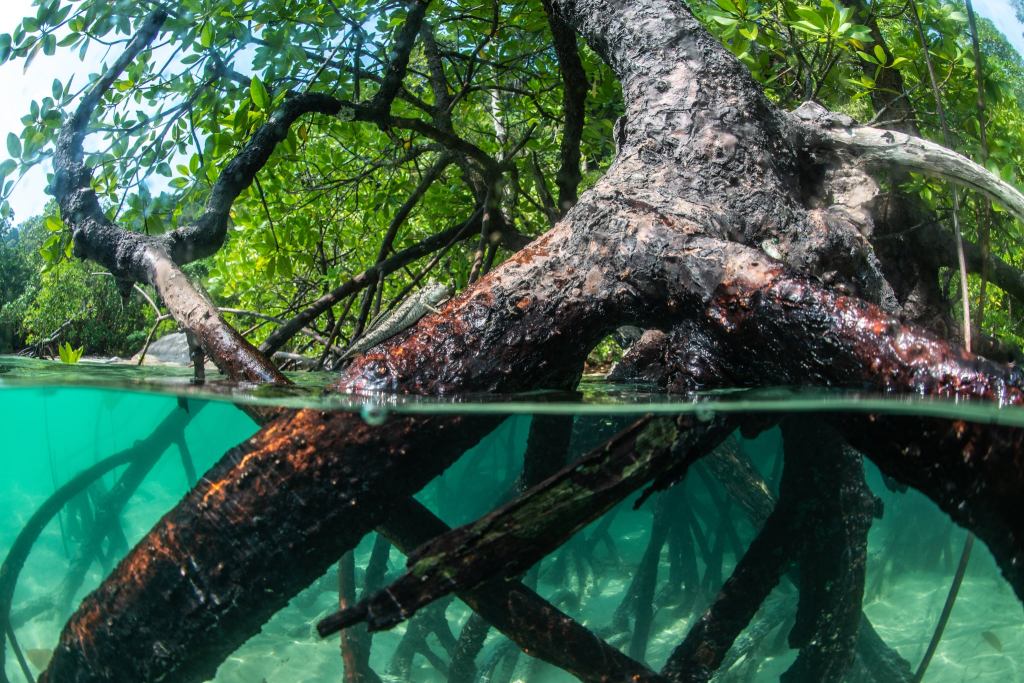
How Mangrove Forest Play a Vital Role in Cambodia’s Aquaculture
Mangroves are indispensable for Cambodian aquaculture, delivering ecological, protective, and economic benefits that underpin sustainability. Their decline due to destructive practices imperils food security and livelihoods, but mangrove-friendly innovations and policies offer a path forward. Read more
-
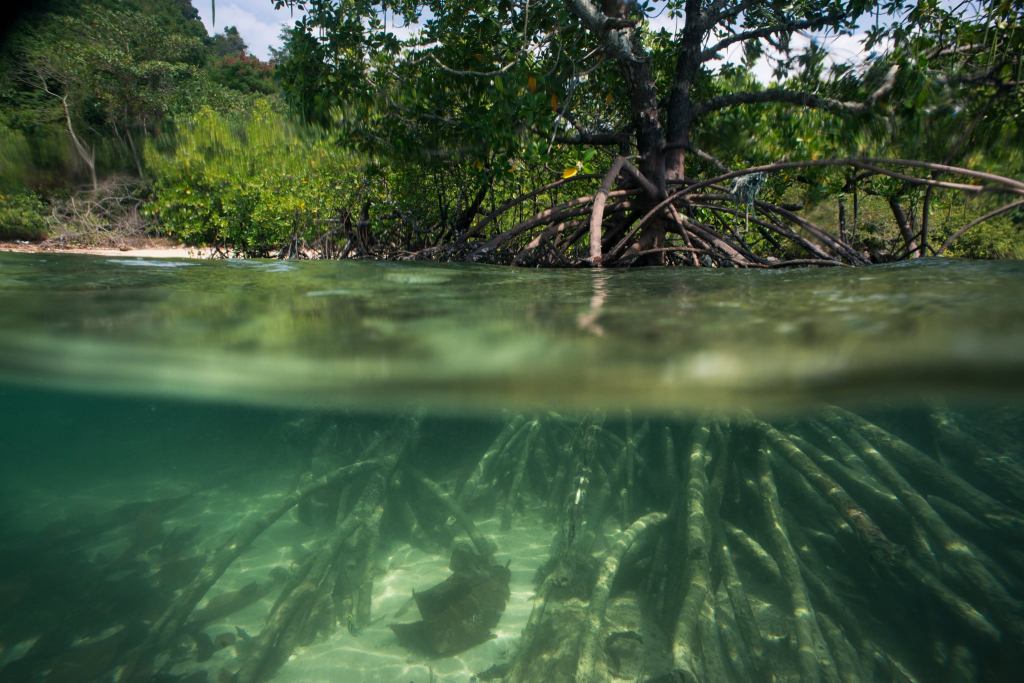
บ้านปลามีชีวิต: การบูรณาการภูมิปัญญาท้องถิ่นและแนวทางแก้ไขปัญหาที่อิงธรรมชาติ
รูปแบบ “บ้านปลามีชีวิต” แสดงให้เห็นอย่างชัดเจนว่า การบูรณาการองค์ความรู้ท้องถิ่นเข้ากับแนวทางการแก้ไขปัญหาที่อิงธรรมชาติ สามารถก่อให้เกิดผลลัพธ์เกื้อกูลกันในการฟื้นฟูระบบนิเวศสัตว์น้ำ ส่งเสริมการดำรงชีวิต และการผลิตสัตว์น้ำอย่างยั่งยืน ด้วยการทำหน้าที่เป็นถิ่นที่อยู่ของระบบการประมงแบบปล่อยเลี้ยงตามธรรมชาติ (CBF) ที่ช่วยเสริมสร้างการเพิ่มประชากรตามธรรมชาติ เพิ่มความสามารถในการรองรับของระบบนิเวศ และสนับสนุนการฟื้นตัวของทรัพยากรสัตว์น้ำ ไม่ต้องพึ่งพาปัจจัยการผลิตจากการเพาะเลี้ยงสัตว์น้ำแบบเข้มข้น Read more
-
Live Fish House: Integrating Local Knowledge and Nature-Based Solutions
The “Live Fish House” model demonstrates that integrating local knowledge with Nature-based Solutions can generate synergistic outcomes for aquatic ecosystem restoration, livelihood enhancement, and sustainable fish production. By functioning as a habitat-based, culture-based fishery system, the model enhances natural recruitment, increases carrying capacity, and supports fish stock recovery without reliance on intensive aquaculture inputs. Read more
AQUADAPT-Mekong Project (2017-2020)
Assist fish farmers in five Mekong countries better manage climate-related risks, and thus capacities to adapt to climate change, through jointly evaluating and supporting the development or uptake of promising innovations.
AQUADAPT-Thailand Project (2012-2016)
Concerned with how the aquaculture sector could adapt to climate change, with an empirical focus on Tilapia grown in farm ponds or floating cages in rivers and reservoirs in Northern Thailand.
AQUADAPT Program
A jointly funded initiative by IDRC and the Government of Canada that addresses the intertwined critical challenges of climate change, biodiversity loss, and food insecurity through applied research in nature-based aquaculture in Southeast Asia and the Pacific region. Read more