AQUADAPT-Nature Project
(2023–2027)
Increase the available sustainable options for small and medium-scale aquaculture farms that face climate change challenges in Thailand and Vietnam.
Recent Essays
-
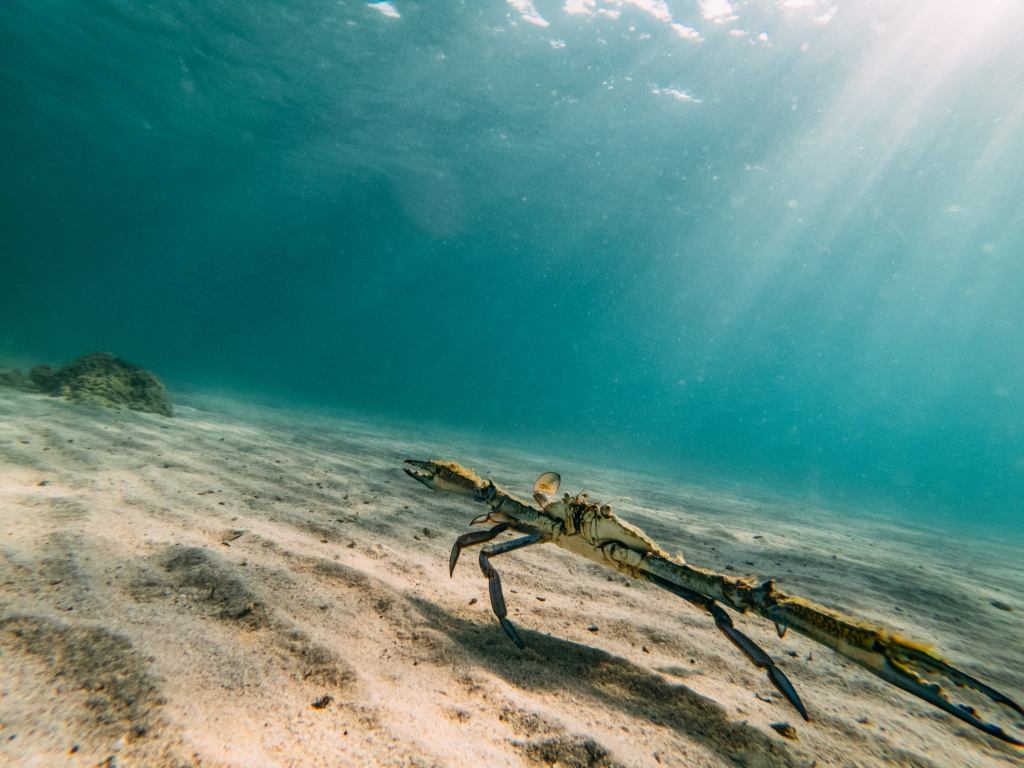
ผู้หญิงมุสลิมกับการอนุรักษ์ธนาคารปูม้าในภาคใต้ของประเทศไทย
ชายและหญิงในชุมชนร่วมกันก่อตั้ง “ธนาคารปูม้า” ในปี พ.ศ. 2553 ซึ่งเป็นแนวทางแก้ไขปัญหาโดยอิงธรรมชาติ (Nature-based Solution: NbS) โดยเพาะเลี้ยงและปล่อยแม่ปูที่มีไข่เพื่อคืนความอุดมสมบูรณ์ให้แก่ท้องทะเล ผู้หญิงมีบทบาทสำคัญอย่างยิ่งในช่วงการเปลี่ยนผ่านนี้ Read more
-
Muslim Women and Blue Crab Bank Conservation in Southern Thailand
Men and women worked together to found in 2010 the Blue Crab Bank, a Nature-based Solution (NbS), that bred and released egg-bearing crabs to restore the sea’s fertility. Women took central roles in this transition. Read more
-
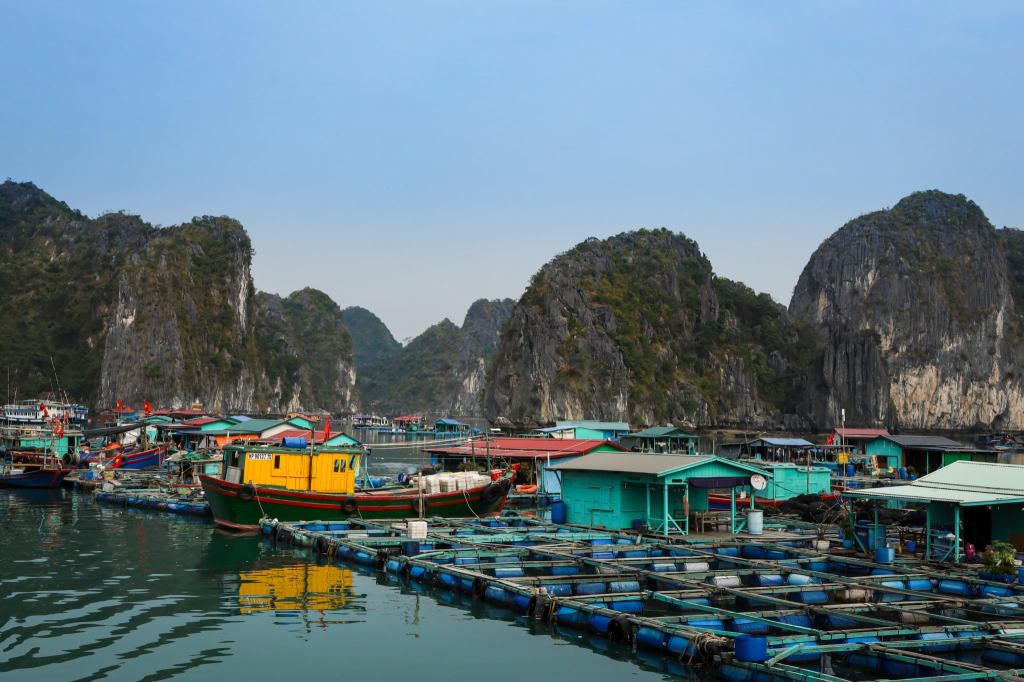
Vượt qua tính hình thức: Đưa tri thức bản địa thành trọng tâm của thủy sản bền vững ở Việt Nam
Chỉ khi thực sự ghi nhận và tích hợp tri thức bản địa, Việt Nam mới có thể xây dựng một ngành nuôi trồng thủy sản vừa bền vững về mặt sinh thái, vừa công bằng về mặt xã hội và đủ khả năng chống chịu trước những thách thức khí hậu trong tương lai. Read more
-
เหนือกว่าการเป็นเพียงสัญลักษณ์: การวางองค์ความรู้พื้นถิ่นเป็นศูนย์กลางในการเพาะเลี้ยงสัตว์น้ำอย่างยั่งยืนของเวียดนาม
การยอมรับและบูรณาการองค์ความรู้ของชนพื้นเมืองอย่างเต็มรูปแบบเท่านั้น ที่ทำให้เวียดนามสามารถสร้างภาคการเพาะเลี้ยงสัตว์น้ำที่ยั่งยืน เป็นธรรม ปรับตัวและมีความยืดหยุ่นต่อความท้าทายด้านภูมิอากาศได้ ในอนาคต Read more
-
Beyond Tokenism: Centering Indigenous Knowledge in Vietnam’s Sustainable Aquaculture
Only by fully recognizing and integrating Indigenous knowledge can Vietnam build an aquaculture sector that is ecologically sustainable, socially just, and resilient to future climate challenges. Read more
-

Giải pháp thuận thiên và bình đẳng giới trong nuôi trồng thủy sản
Để các giải pháp dựa thuận thiên phát huy hết tiềm năng trong các cộng đồng nuôi trồng thủy sản, phụ nữ không thể chỉ được xem là những người thụ hưởng thụ động, và nam giới cũng không nên bị giới hạn trong vai trò những người ra quyết định một chiều. Cả hai… Read more
AQUADAPT-Mekong Project (2017-2020)
Assist fish farmers in five Mekong countries better manage climate-related risks, and thus capacities to adapt to climate change, through jointly evaluating and supporting the development or uptake of promising innovations.
AQUADAPT-Thailand Project (2012-2016)
Concerned with how the aquaculture sector could adapt to climate change, with an empirical focus on Tilapia grown in farm ponds or floating cages in rivers and reservoirs in Northern Thailand.
AQUADAPT Program
A jointly funded initiative by IDRC and the Government of Canada that addresses the intertwined critical challenges of climate change, biodiversity loss, and food insecurity through applied research in nature-based aquaculture in Southeast Asia and the Pacific region. Read more