By Dr. Patcharawalai Sriyasak
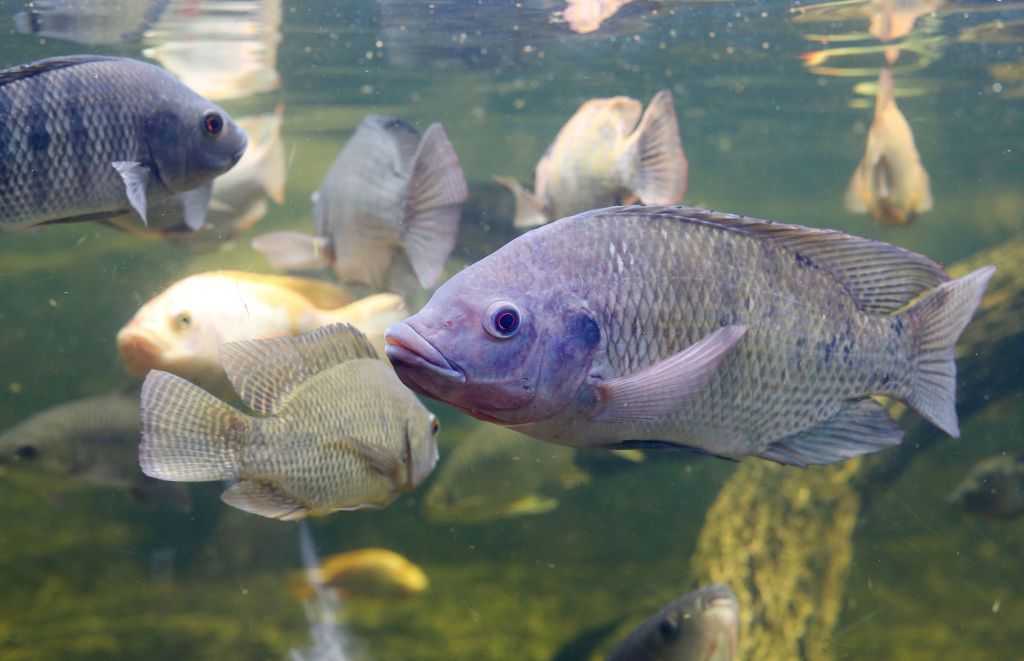
Aquatic animals are an important food source for the global population. Intensive aquaculture is currently facing several challenges, including disease outbreaks, environmental pollution, and sustainability of production. High-density aquaculture practices lead to the accumulation of organic matter, uneaten feed, and waste from aquatic animals’ excretion, which has a negative impact on water quality, animal health, and the environment.
The organic matter accumulated in aquaculture ponds can lead to water quality variations. The excess nutrients from uneaten feed and aquatic animal excretion, such as nitrogen and phosphorus, can stimulate excessive phytoplankton growth, resulting in lower dissolved oxygen levels. Additionally, this can also lead to a high level of ammonia and nitrite, which are harmful to aquatic life. Poor water quality causes aquatic animals stress and infection from pathogenic bacteria or viruses.
Most farmers often use antibiotics and chemicals for disease treatment. This results in residues in aquatic animals and natural water sources, which affects consumers and creates more antibiotic resistance in the aquatic life. In addition, the discharge of wastewater containing high levels of organic matter or contamination with antibiotics and chemicals into a public water source can have an impact on the ecosystem. This can make the water source unsuitable for direct use in aquaculture or cause conflicts among water users.
The utilization of microorganisms is another crucial approach to sustainable and environmentally friendly aquaculture.
Types of Microorganisms Used in Aquaculture
Microorganisms are tiny organisms invisible to the naked eye. They include bacteria, yeast, and fungi, which play an important role in the aquaculture ecosystem. Some microorganisms are beneficial and others are harmful. The proper use of beneficial microorganisms can help to promote aquatic animal health, improve water quality, and reduce environmental impact.
Here are some of the microorganisms used in aquaculture.
Probiotics: These live microorganisms or products from non-pathogenic bacteria are added to the aquaculture system where they have beneficial effects on aquatic animal health and reduce waste. They include Bacillus sp., Lactobacillus sp., Enterococcus sp., Streptococcus lactis, Clostridium butyricum, Bifidobacterium, and yeast (Saccharomyces cerevisiae). Probiotics can be extracted from the digestive tract of aquatic animals or from water and soil in aquaculture ponds (Nimrat 2009; Suwan 2017).
Nitrifying Bacteria: Nitrosomonas sp. and Nitrobacter sp. play a role in converting aquaculture waste such as ammonia, into ammonium ion (NH4+), nitrite (NO2–), and nitrate (NO3–). The ammonium ion and nitrate are nutrients for phytoplankton and aquatic plants.
Photosynthetic Bacteria: Photosynthetic bacteria play an important role in organic matter decomposition. The most commonly used group is purple non-sulfur bacteria such as Rhodobacter and Rhodopseudomona spalustri, which can grow well in both aerobic and anaerobic conditions. Photosynthetic bacteria can be used as food for small aquatic animals due to their high nutritional value, as they contain proteins, fat, ash, fiber, and amino acids. They also help to improve water quality in aquaculture ponds (Labaiden 2019).
Effective Microorganisms (EM): Effective microorganisms are characterized as a brown color liquid with a sweet and sour smell. They consist of both aerobic and anaerobic bacteria. Three groups of microorganisms work together, including lactic acid bacteria, yeast, and photosynthetic bacteria. Farmers use EM to reduce organic matter and to control water quality in their aquaculture ponds (Department of Science Service 2013).
Purposes of Using Microorganisms in Aquaculture
The application of microorganisms in aquaculture is increasingly popular. Microorganisms can be used in various forms, such as mixed in the aquatic feed or added directly to the water. They can also become biological filters when they provide a substrate on which other microorganisms can attach, grow, and help decompose waste products. In addition, the use of synbiotics, that is the combination of probiotics and prebiotics, the food source of probiotics, can enhance probiotic growth and help probiotics work more efficiently (Suwan 2017; Lukkana and Piamsomboon).
The use of microorganisms in aquaculture has several purposes.
Balance Flora: The intestine of each aquatic animal has a normal flora, which consists of beneficial and pathogenic microorganisms. If the pathogenic microbes are in greater numbers, they can cause aquatic animal diseases. Mixing probiotics in aquatic feed can enhance the abundance and diversity of beneficial microbes in the aquatic animal’s intestine. Probiotics have a strong ability to colonize areas in the intestine of aquatic animals. They compete with pathogenic microbes for nutrients and produce a substance that inhibits the growth of harmful bacteria. They also reduce the accumulation of pathogenic microbes and rebalance the intestinal microorganisms. In addition, probiotics destroy toxins and inhibit the binding of toxins in aquatic animals, thus helping aquatic animals to be healthy and resistant to invasion by pathogenic microorganisms (Nimrat 2009; Suwan 2017).
Stimulate Immune System: Probiotics promote a nonspecific immune system, by increasing the number of white blood cells, enhancing the production of substances involved in the defense mechanisms, and inducing the enzyme production that breaks down the substances surrounding the pathogenic microorganisms. The antibiotics produced by probiotics then enter and destroy the cell components, thus eliminating the pathogenic microbes. Probiotics also enhance the specific immunity, which increases immunoglobin M (IgM) antibodies in fish. Probiotic supplements in aquaculture feed help stimulate a more efficient immune system, increase disease resistance, improve stress tolerance, make aquatic animals stronger, and reduce the risk of disease infection (Suwan 2017; Lukkana and Piamsomboon).
Enhance Growth: Supplementation of beneficial microorganisms in aquatic feed can enhance aquatic animal growth. Probiotics secrete enzymes such as protease, lipase, and amylase, which effectively digest proteins, fats, and carbohydrates in the digestive tract of aquatic animals. This increases digestive efficiency and nutrient absorption. Moreover, using a combination of probiotics in shrimp farming produces better shrimp growth than using a single strain of probiotic (Nimrat 2009; Suwan 2017).
Improve Water Quality: In aquaculture, the accumulation of wastes from aquatic animal excretion and leftover feed leads to poor water quality. This makes aquatic animals stressed and more susceptible to diseases. Maintaining the balance of microorganisms in ponds is a practice to manage wastewater problems and reduce pathogenic microbes in ponds. Probiotic and nitrifying bacteria help to decompose organic matter, inorganic matter, and waste into non-hazardous compounds, such as converting ammonia and nitrite into nitrate. Beneficial microorganisms also produce enzymes that help to decompose the organic matter and reduce the number of harmful microorganisms. This leads to less organic matter and waste in the pond, resulting in improved water quality and better aquatic animal health. Consequently, the reduced use of chemicals for water quality management leads to less environmental impact (Nimrat 2009).
Advantages of Using Microorganisms in Aquaculture
There are several advantages of using microorganisms in aquaculture.
Environmentally Friendly Aquaculture: Disease prevention, improved water quality, and reduction in chemical and antibiotic use, all contribute to leaving no residues in the aquatic organisms and the ecosystem. Microorganisms also help to decompose organic matter and minimize organic matter and waste in the water. Pollution from wastewater discharge into the environment is thus reduced. This approach promotes eco-friendly and sustainable aquaculture.
Access to Markets: Supply of a residue-free aquatic product, which meets safety and consumer standards, thus enhances the competitive advantages of aquatic exports in the global market.
Enhanced Production: Microorganisms improve aquatic animal growth and survival rate, increase yield, and reduce costs for chemicals and antibiotics, which all lead to lower production costs and increased profits for farmers.
Precautions on the Use of Microorganisms in Aquaculture
Users of microorganisms in aquaculture should take the following into consideration.
Selection: Select microorganisms suitable for their aquatic species, water salinity, and rearing system, and then thoroughly study the instructions for microorganism applications.
Application: Avoid excessive doses and use microorganisms in appropriate amounts, because microorganisms consume oxygen for their respiration during organic matter decomposition, resulting in a decreased oxygen level in the pond.
Monitoring: Monitor water quality regularly after microorganism application to ensure the concentration of microorganisms remains within optimal parameters, is non-toxic to aquatic animals, and improves aquatic animal growth.
Limitations on the Use of Microorganisms in Aquaculture
The use of microorganisms in aquaculture has a limitation, in that microorganisms cannot replace antibiotics in the treatment of aquatic animal diseases. Microorganisms are primarily used for disease prevention, that is to reduce the need for antibiotics in aquaculture. No chemical or antibiotic should be applied during the use of probiotics, because probiotics could be destroyed leading to less effectiveness. Moreover, the shelf life of microbial products needs to be monitored, as prolonged storage may lead to a reduction in both quantity and diversity of microorganisms, resulting in less effectiveness. Farmers should therefore have a good understanding of how to use microorganisms in aquaculture so they can be used purposefully and effectively.
Conclusion
The utilization of microorganisms in aquaculture contributes to a reduction in the use of antibiotics and a decrease of drug resistance in pathogens. High-quality aquatic products free from antibiotic residues positively impact both export potential and consumer health. Moreover, aquaculture becomes less polluting and more environmentally friendly, leading to a sustainable industry in the future.
 AQUADAPT