Category: Environmentally Friendly Aquaculture
-
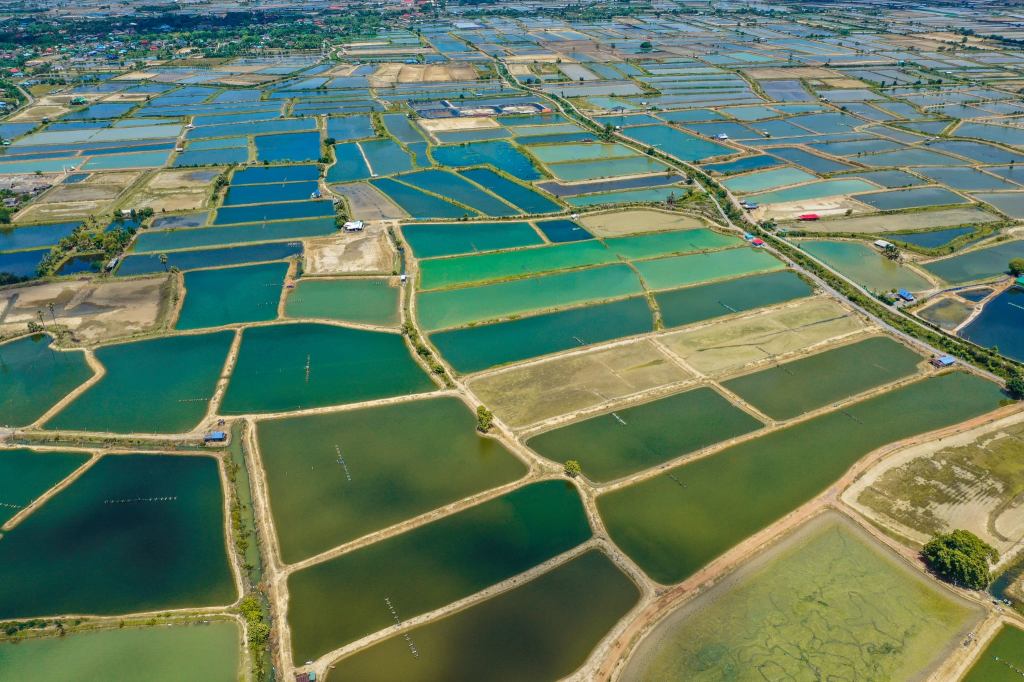
Assessment of Climate Risk at the Farm-Level: A Toolkit for Proactive Adaptation in Aquaculture
In a Southeast Asia-Pacific region facing intensifying climate variability, investing in the development and dissemination of a practical, accessible farm-level risk assessment toolkit is not merely a nice-to-have. It is essential knowledge infrastructure for building a resilient and sustainable aquaculture sector over the long term.
-
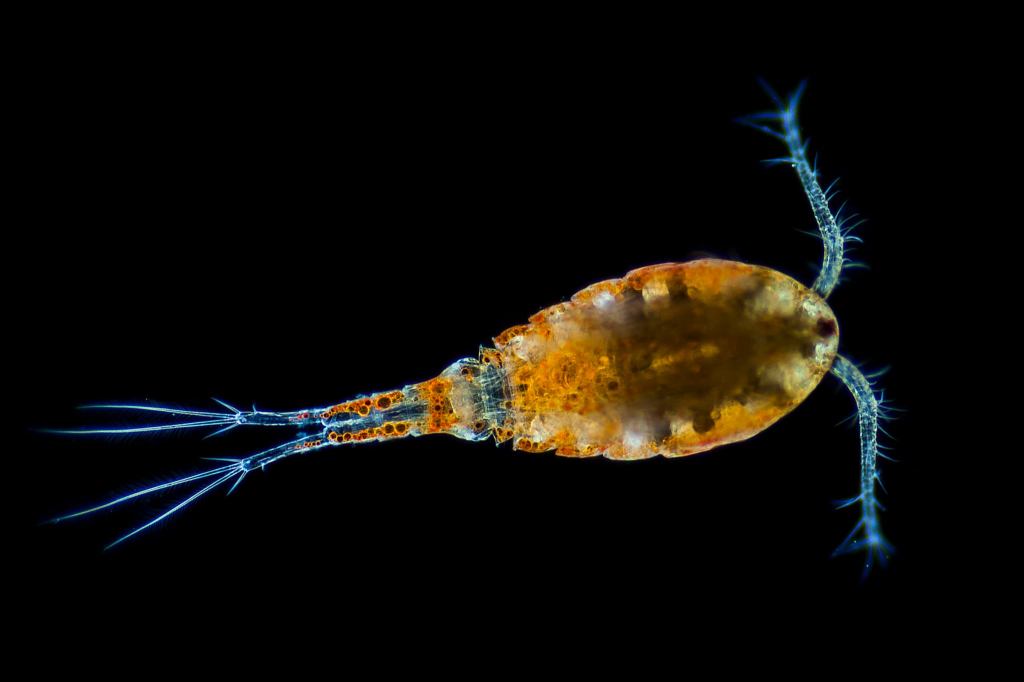
Copepods: A High-Quality Live Feed for Fish and Shrimp Larvae
Copepod live feed has a strong potential to improve larval quality, biosecurity, and resilience to climate change in Thailand’s fish and shrimp larviculture.
-
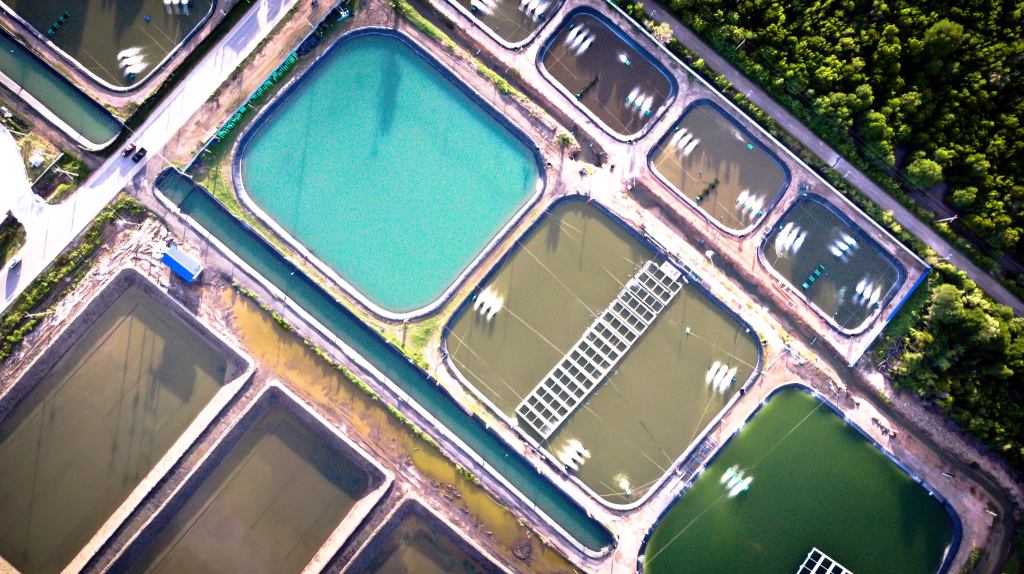
Chada Shrimp: Thailand’s New Commercial Shrimp Species
The “Chada Shrimp” initiative provides a blueprint for overcoming some vulnerabilities of modern aquaculture. By scaling up the production of local shrimp species adapted to both freshwater and brackish environments, Thailand can diversify away from intensive, disease-prone monocultures and thus secure its seafood supply chain for generations to come.
-
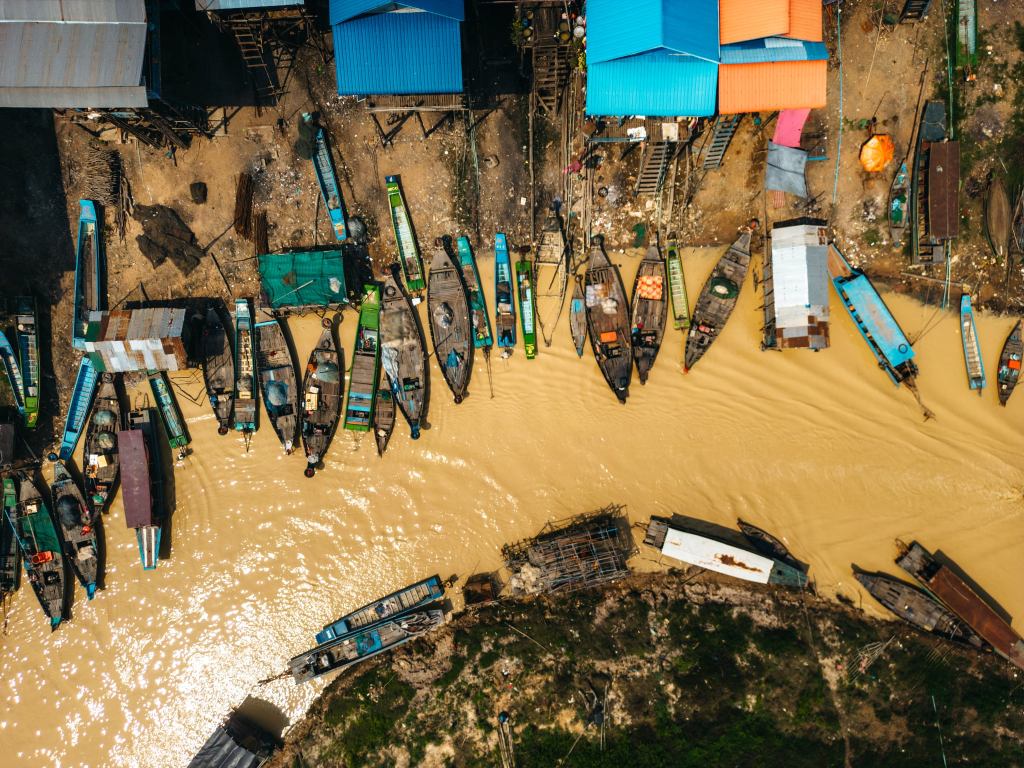
Nature-based Solutions and Aquaculture in Stung Treng Province, Cambodia
The transition toward Nature-based Solutions in Stung Treng Province represents an important pathway to strengthened resilience within the Lower Mekong Basin. Faced with increasing climate variability, water insecurity, and ecological degradation, local communities have developed innovative adaptation strategies that integrate aquaculture, ecosystem restoration, community conservation, and sustainable livelihoods.
-
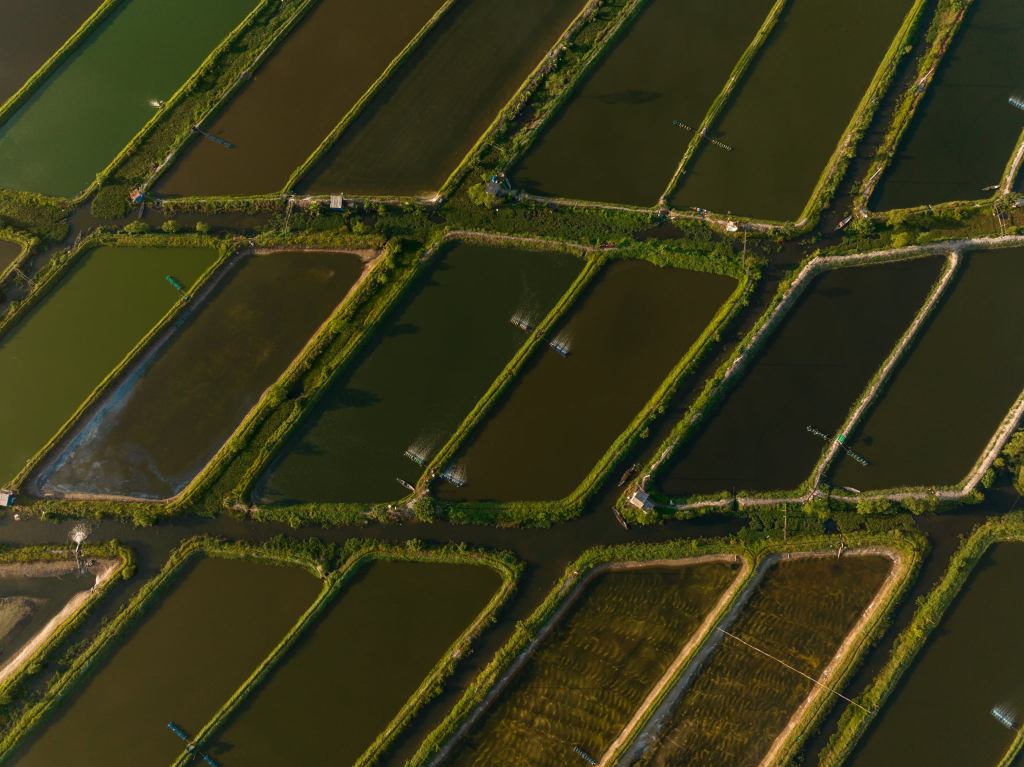
The New Aquaculture Playbook: Why Nature-Based Farming Is the Future
Developing a sustainable aquaculture industry in the era of climate change is not an isolated technological challenge, but a fundamental shift in human mindset. We must evolve from viewing nature as an obstacle to overcome to treating nature as our most resilient ally.

