By Dutsadee Srithat and Amornrat Rangsiwiwat
The worldwide production and cultivation of aquatic animals have grown rapidly as a significant source of protein, thus contributing to food security. In 2018, global farmed fish production reached). 82.1 million tons , and the share of aquaculture in Asian fish production (excluding China) reached 42.0 percent (FAO 2020). By 2030, 90 percent of all aquatic animal production will be for human consumption, a 15 percent increase from 2020. This means annual per capita consumption will rise from 20.2 kg in 2020 to 21.4 kg in 2030 (FAO 2022). To meet market demands, farmers have increased the stocking density of aquaculture farming. However, this higher density has been accompanied by increased infectious disease outbreaks, which significantly impact global aquaculture production and lead to severe economic losses.
Aquaculture farms are at risk of various pathogens, such as bacteria, parasites, and viruses. Additionally, climatic variability, unsuitable water quality, and inconsistent nutrient intake can stress aquatic animals, reduce their immunity, and make them more susceptible to diseases. Consequently, farmers have overapplied chemical treatments and antibiotics. Sometimes these adversely affect aquaculture production, cause antibiotic-resistant strains, and leave antibiotic residues in aquatic animals and the environment (Awad 2017). The residues of antibiotics, which contaminate soil and water, also significantly degrade global biodiversity. In addition, these residual substances potentially enter the human body and pose health risks.
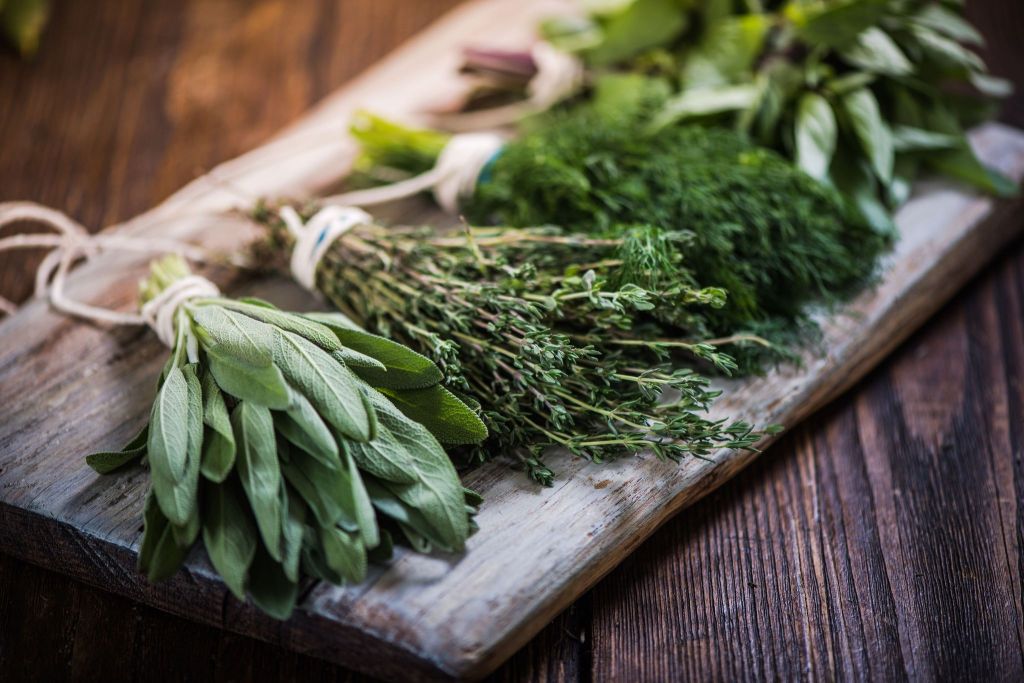
Therefore, the application of medicinal plants as an alternative treatment method could help cut down or even stop the use of antibiotics and chemicals. This has great merit, because medicinal plants are beneficial for the management of aquatic animal diseases in an environmentally friendly manner and are also safe for farmers and consumers. Phytotherapy has the potential to assist sustainable aquaculture production.
Medicinal Plants for Aquaculture
Phytotherapy is a recognized and beneficial alternative to antibiotics and chemical treatments, as it is cost-effective, efficient, non-resistance inducing, and environmentally friendly. Various medicinal plants have been studied for their efficacy in treating diseases in aquaculture. These plants, easily sourced locally, can be used in forms such as fresh, dried, powdered, and as products such as juice, extracts, or essential oils (Raman 2017). Application methods include injection, immersion, and feed incorporation. Injections are suitable for large aquatic animals, immersion for smaller ones, while feed incorporation, the most popular method, is appropriate for all sizes (Mbokane 2022; Potiwong 2020).
Medicinal plants contain diverse components and active substances, such as polysaccharides, alkaloids, steroids, phenolics, tannins, terpenoids, saponins, glycosides, flavonoids, organic acids, amino acids, carbohydrates, minerals, and vitamins (Manjula 2021; Potiwong 2020). These plants are widely utilized to promote growth, stimulate immunity, and combat pathogenic microorganisms (Chitmanat 2005; Pu 2017; Li 2022; Zhang 2022).
Examples of Medicinal Plants Used to Promote Growth
When tamarind leaf (Tamarindus indica) extract was mixed with powdered feed at a ratio of 1% and provided at 3% of body weight for 12 weeks, the growth and digestion efficiency of fingerling Nile tilapia were enhanced (Adeniyi 2021). Some medicinal plants have been shown to serve as protein sources or partial protein replacements, such as moringa leaves (Moringa oleifera) and sweet potato leaves (Ipomoea batatas), with protein content as high as 27.51% and 25.39%, respectively (Oduro 2008). Using wormwood (Artemisia annua) extract mixed in feed at 5 grams/kilogram for 70 days in the farming of common carp (Cyprinus carpio) has been shown to improve growth performance and immune response (Hoseini 2022).
Examples of Medicinal Plants Used to Stimulate Immunity
Aloe vera (Aloe barbadensis) contains anthraquinones, which have various pharmacological effects and can boost immunity. Mixing 5 grams of aloe vera powder dissolved in clean water into 1 kilogram of feed and providing it at 3% of body weight per day, three times a day for eight weeks, has demonstrated improved growth in rainbow trout (Oncorhynchus mykiss) weighing about 10 grams. Increasing the aloe vera powder proportion in the feed to 15 grams/kilogram yielded the best results for erythrocyte indices and enhanced leukocyte respiratory burst activity, thereby improving non-specific immunity and significantly reducing infections by the water mould Saprolegnia parasitica (Mehrabi 2019).
Examples of Medicinal Plants Used to Combat Pathogenic Microorganisms
Garlic (Allium sativum) contains allicin, which has properties that combat external parasites like Trichodina sp. and Gyrodactylus sp. Testing on 48-day-old sex-reversed Nile tilapia (Oreochromis niloticus) infected with these parasites in experimental ponds involved immersing them in water with 3 ml/liter of garlic oil for one hour, followed by rearing them in earthen ponds at a density of 850 fish/m2 for seven days. This method reduced infections by 65%. When fresh garlic paste was dissolved in water at a concentration of 300 mg/liter and used to immerse the infected fish for seven days in earthen ponds, it resulted in a 75% reduction in infections (Abd El-Galil 2012).
Andrographis paniculata, containing andrographolide as its main bioactive component, can combat bacterial infections. When a 0.1% andrographolide extract was mixed into the feed of Rohu (Labeo rohita) fry for 42 days, it stimulated non-specific immunity, reduced Aeromonas hydrophila infections, and improved growth performance with a survival rate of up to 74% (Basha 2013). Additionally, turmeric (Curcuma longa) contains polyphenols that have antibacterial effects against Vibrio harveyi. When white shrimp (Litopenaeus vannamei) weighing 10-12 grams each, reared at a density of 5 shrimp/m2, were fed with feed containing 25 mg/kg of turmeric extract, significant antibacterial effects were observed (Vanishkul 2010).
Limitations on the Use of Medicinal Plants in Aquaculture
The use of medicinal plants in aquaculture has several limitations that must be considered to maximize their benefits and avoid adverse effects.
Variability in Bioactive Compounds: Medicinal plants contain a variety of bioactive compounds, and differences in these compounds can arise from geographical origins, extraction methods, and post-harvest storage. This variability can limit the consistency and effectiveness of active substances, resulting in varying efficacy with each use.
Usage Factors and Dosage: The appropriate dosage of medicinal plants in aquaculture feed must be carefully considered. Using excessive amounts can negatively impact the health of aquatic animals. For instance, using garlic at 0.5% can enhance the growth performance of sturgeon, but at 1% it provides no additional benefits and can be wasteful (Awad 2017).
Residue and Environmental Impact: Although medicinal plants possess antimicrobial and antioxidant properties, inappropriate usage can lead to environmental residues and potentially to long-term ecological impacts.
May Not Suit All Farming Practices: Although medicinal plants have broad properties, different farming practices based on geographical characteristics and local contexts may present unique limitations. Farmers should learn by trial and error and adapt their usage to the specific context of their farm.
Recommendations for Farmers
For farmers who are interested in utilizing medicinal plants for environmentally friendly aquaculture, the following guidelines are recommended.
Step 1 Research: Farmers should look for resources suited to the local conditions.
Step 2 Disease Prediction and Management: Farmers should prepare for potential diseases or factors that could impact their farms, so as to manage these issues promptly.
Step 3 Medicinal Plant Selection: Farmers should choose medicinal plants appropriate for specific diseases and use correct dosages and concentrations. The application method, whether through feed, injection or immersion, should be suitable for the type and size of the aquatic animals.
Step 4 Sourcing from Reliable Sources: Farmers should procure quality medicinal plants from trustworthy sources or cultivate it themselves for direct use on their farms.
Conclusion
Using medicinal plants in aquaculture reduces the costs and risks associated with chemical use, offering a safe alternative for the health of both farmers and consumers. In addition, it promotes environmentally friendly aquaculture and contributes towards ecological sustainability. Since many medicinal plants can be found naturally or cultivated for direct use, farmers can achieve self-reliance. Farmers should adapt its usage to fit the context of their farms, and in this way, fully enhance the efficiency and safety of their aquaculture practices.
 AQUADAPT