By Dr. Daranee Seguin
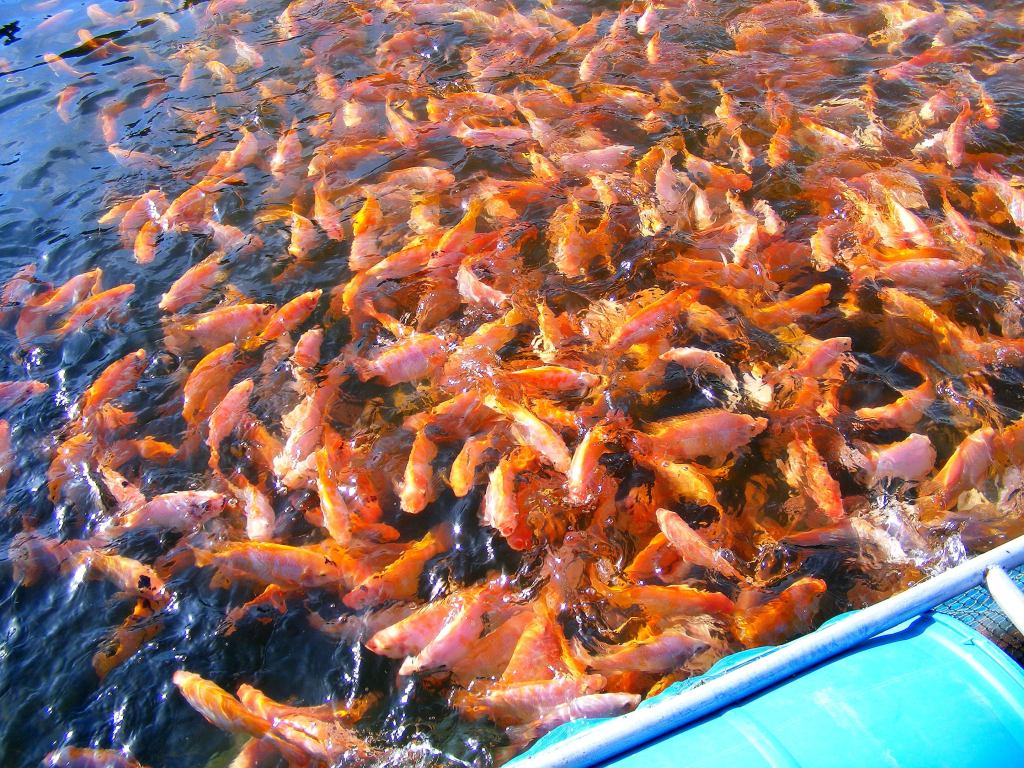
Aquaculture, a rapidly expanding sector in global food production, faces significant challenges in ensuring environmental sustainability. The excessive use of marine-derived ingredients in traditional aquaculture feeds contributes to overfishing, while nitrogen and phosphorus loading leads to eutrophication in aquatic systems, raising critical concerns about the sustainability of aquaculture practices. The industry actively seeks innovative solutions that minimize environmental impacts while maintaining productive and profitable operations. This article provides a comprehensive overview of the challenges and advancements in aquaculture nutrition and feeding practices, as well as limitations and recommendations, focusing on the transition to more environmentally friendly approaches.
Challenges Facing Environmentally Friendly Aquaculture
The challenges facing environmentally friendly aquaculture feed are multifaceted and require coordinated efforts across various sectors. The need for addressing rising feed costs, environmental impacts, nutritional imbalances, disease management, regulatory frameworks, resource dependency, contamination issues, and technological integration is crucial for developing sustainable aquaculture practices. Emphasizing research into alternative feed sources and promoting education among stakeholders will play a vital role in overcoming these challenges and ensuring the long-term viability of aquaculture as a sustainable food source.
Historically, the aquaculture industry has relied heavily on fishmeal and fish oil derived from wild-caught fish. However, the declining availability of these resources due to overfishing and environmental concerns poses a significant challenge. Projections indicate that even if fishmeal inclusion is reduced significantly, the demand for fishmeal will still surpass the available supply by 2050, creating a pressing need for alternative feed sources (Goldburg 2005). As aquaculture expands, it competes with other agricultural sectors, particularly livestock production, for feed ingredients. The growth of intensive poultry and dairy farming increases the demand for grains and protein sources, leading to higher prices, scarcity of essential feed components for aquaculture, and higher operational costs for aquaculture farmers (Glencross 2023). The successful transition to alternative feed ingredients in aquaculture requires regulatory frameworks that promote sustainable practices while safeguarding food safety. Moreover, consumer acceptance of aquaculture products derived from alternative feeds is paramount for market viability and widespread adoption.
Developing nutritionally complete feeds that meet the specific needs of various aquatic species remains challenging. Many alternative ingredients lack the essential nutrients found in traditional fishmeal, requiring careful formulation to ensure optimal growth and health in farmed aquaculture species (Bibi 2021). Alternative protein sources should possess a balanced amino acid profile, similar to fishmeal. This includes essential amino acids such as lysine, methionine, and tryptophan, which are often limiting in alternative ingredients, and thus a challenge to ensuring that the nutritional needs of aquatic animals, particularly for growth and tissue development, are met. Additionally, alternative ingredients should provide sufficient levels of essential fatty acids, including omega-3 fatty acids (EPA and DHA), cholesterol, and phospholipids, which play crucial roles in supporting immune function and various metabolic processes in aquatic animals. Furthermore, it is important to supplement essential minerals, such as phosphorus, and trace minerals, like zinc and selenium. These minerals are vital for enzymatic functions and overall health.
However, it is important to note that some alternative ingredients may contain anti-nutritional factors or enzyme inhibitors. These substances can hinder nutrient absorption and reduce the efficiency of digestion in aquatic animals. Therefore, careful selection and processing of alternative ingredients are crucial to mitigate these negative effects. While shifting to plant-based proteins and other alternatives can reduce pressure on marine resources, these alternatives can also leave their environmental footprints. For example, the production of soy and other crops can lead to deforestation and biodiversity loss if not sourced sustainably (Munguti 2021).
Disease outbreaks in aquaculture continue to pose a substantial threat, often exacerbated by poor feeding practices and overcrowding. High-density farming environments can facilitate the rapid spread of diseases, leading to mass mortality events that place a heavy burden on resources and increase production costs (O’Donncha 2019). To mitigate these risks, it is necessary to implement robust biosecurity measures and adopt improved feeding practices (Zhou 2017).
Advancements in Aquaculture Nutrition and Feeding Technology
Recent advancements in aquaculture nutrition and feeding practices are vital for enhancing sustainability and efficiency in the industry. These innovations address the growing demand for environmentally friendly practices while optimizing animal health and production.
Precision nutrition is increasingly being adopted in aquaculture, focusing on customizing diets based on the specific needs of different aquaculture species, their life stages, and environmental conditions (O’Donncha 2019). This approach can enhance growth rates, feed efficiency, and overall fish health while minimizing waste. Recent studies have shown that tailored diets can significantly improve feed conversion ratios (FCR), an outcome which is critical for economic sustainability (Glencross 2023). Genetic engineering and selective breeding have demonstrated promising results in enhancing growth performance and feed efficiency (Osmond 2019; Yang 2021). These innovations enable a more refined understanding of the nutritional requirements of different strains, ultimately leading to improved health outcomes and more efficient resource utilization in aquaculture systems. The emergence of precision nutrition, incorporating genetic testing and data analytics, facilitates the creation of more targeted feeding strategies.
The search for sustainable alternatives to conventional feed ingredients has prompted the exploration of a diverse array of options, including novel ingredients such as insect protein from black soldier fly larvae, microalgal oils and meals, plant-based proteins, single-cell proteins, and by-products from food production (Mustapha 2021). Additionally, the selection of high-quality and environmentally friendly raw materials can reduce the environmental impact and promote sustainability in aquaculture.
Research into functional feeds aimed at enhancing the health and growth performance of aquatic animals is ongoing. The growing demand for functional feeds is driven by factors such as the replacement of traditional fishmeal with alternative ingredients and the stress associated with high-density aquaculture systems, which often lead to disease outbreaks. Functional feeds serve as a critical tool in enhancing productivity, reducing antibiotic dependency, and supporting sustainable aquaculture practices. These feeds offer additional benefits beyond basic nutritional requirements, such as improved digestion and nutrient utilization through the addition of enzymes like phytase, carbohydrase, and protease. They also include antioxidants, such as vitamins C and E, to protect essential nutrients, boost the immune system, and improve stress resistance. Moreover, functional feeds incorporate plant extracts, organic acids, amino acids, vitamins, beta-glucans, and bioactive peptides to prevent diseases and promote overall health. Gut health is balanced using prebiotics, probiotics, synbiotics, glutamine, and bioactive peptides. Additionally, carotenoids like astaxanthin can enhance the color of fish and shrimp, increasing their market value and aesthetic appeal.
Proper feed management, including adjusting the type and quantity of feed based on environmental conditions and the health status of the aquatic animals, is essential for optimal growth, survival, and yield. The implementation of advanced technologies, such as automated feeding systems, can significantly improve production efficiency and reduce costs. The integration of technology into feeding practices has led to the development of Smart Feeding Systems that utilize sensors and artificial intelligence (AI) to monitor fish behavior and dynamically adjust feed delivery. This ensures that feed is provided in accordance with actual consumption patterns, thereby reducing waste and optimizing growth rates.
Recent research emphasizes the importance of gut health in aquaculture. Understanding the role of gut microbiome in nutrient digestibility and fish performance is crucial. Advances in genetic sequencing technologies allow researchers to explore microbial communities within the fish gut, shifting focus from merely identifying these microbes to understanding their functional contributions to nutrition (Peixoto 2021). Feeding strategies that promote a healthy gut microbiome can lead to better nutrient absorption and reduced disease susceptibility. Incorporating bioactive peptides and other functional ingredients into feeds helps maintain gut integrity and overall fish health.
Limitations in Aquaculture Nutrition and Feeding Technology
Despite advancements in aquaculture nutrition and feeding practices, several challenges continue to impede the industry’s transition to sustainable practices. One of the most pressing issues is the regulatory framework surrounding the approval of new feed ingredients. The lengthy and complex approval processes can deter companies from investing in research and development for sustainable alternatives (Mustapha 2021). For instance, the introduction of insect meal into aquaculture diets has been slow due to regulatory hurdles, despite its potential to replace a significant proportion of fishmeal (Hasan 2023). Economic constraints also play a crucial role in limiting the adoption of sustainable practices. The rising costs of feed ingredients, particularly fishmeal and soybean meal, have led to financial strain on aquaculture producers (Glencross 2023).
Technological barriers further complicate the situation, especially for small-scale farmers who may lack access to advanced feeding technologies and smart aquaculture practices, hindering their ability to adopt sustainable practices. Additionally, there is a significant gap in nutritional research regarding the dietary needs of lesser-known farmed fish species, which may lead to inefficiencies in feed utilization and growth performance. Environmental challenges also persist, particularly concerning nutrient management. Excessive nutrient release from aquaculture farms can cause eutrophication, leading to harmful algal blooms and oxygen depletion. For example, studies have shown that aquaculture operations in Malaysia have contributed significantly to nitrogen and phosphorus pollution in local rivers, highlighting the need for improved nutrient management strategies (Kawasaki 2016).
Lastly, consumer acceptance of aquaculture products obtained from alternative feeds remains a barrier. Misconceptions about the safety and quality of farmed seafood can affect purchasing decisions, necessitating targeted education efforts to promote the benefits of sustainably sourced aquaculture products (Goldburg 2005; D’Abramo 2021).
Recommendations to Stakeholders
To effectively address the aquaculture industry’s problems and foster environmentally friendly solutions, stakeholders (including policymakers, academics, farmers, and the private sector) must adopt a collaborative approach. Governments and policymakers should streamline approval processes for new feed ingredients, invest in research on sustainable aquaculture, avoid overly burdensome regulations, and implement financial incentives for sustainable practices (Mustapha 2021). Academics and researchers should prioritize long-term studies on alternative feed ingredients, cultivate partnerships with producers, expand research on lesser-known fish species, and embrace interdisciplinary research approaches (Glencross 2023).
Farmers should adopt precision feeding techniques, experiment with alternative feed ingredients, avoid high-density farming practices, and explore integrated aquaculture systems, which can optimize resource use and minimize environmental impacts (O’Donncha 2019). Private sectors should prioritize research and development of sustainable feed alternatives to meet the growing demand for eco-friendly products, as well as engage in consumer education campaigns that can help improve market acceptance and consumer trust. Companies should also source feed ingredients sustainably and partner with non-governmental organizations (NGOs) or environmental groups to promote sustainable practices and improve the overall environmental footprint of aquaculture operations (Mustapha 2021).
By working together, all stakeholders can contribute to overcoming the challenges facing aquaculture, and thus promote a more sustainable and environmentally friendly industry. Engaging consumers in sustainability initiatives, such as community-supported aquaculture programs, can foster a sense of ownership and responsibility toward sustainable seafood consumption.
Conclusion
Optimal nutrition and feeding management in aquaculture are essential to minimize nitrogen and phosphorus waste discharge, which is a primary cause of water pollution. Key strategies include assessing the dietary requirements of specific aquatic species, providing precise feed rations, selecting high-quality feeds, utilizing feeding technologies, developing species-specific diets, and incorporating functional feed additives to enhance animal health. For example, the use of enzymes like phytase and protease in functional feeds can significantly reduce phosphorus and nitrogen excretion into the environment. Implementing these strategies not only improves production efficiency and reduces costs, but also promotes sustainable aquaculture practices. Furthermore, proper feeding practices can minimize waste, reduce pollution, and enhance aquaculture productivity.
The path toward environmentally friendly aquaculture feed and feeding practices is replete with challenges, but also presents substantial opportunities for innovation and sustainability. The aquaculture industry can enhance its sustainability by exploring alternative ingredients, adopting precision nutrition techniques, implementing integrated systems, investing in cutting-edge technologies, and fostering cross-sector collaboration while meeting the growing global demand for seafood. As these advancements unfold, they will be instrumental in shaping a resilient aquaculture sector that thrives in an increasingly complex environmental landscape.
 AQUADAPT