By Dr. Praneet Ngamsnae
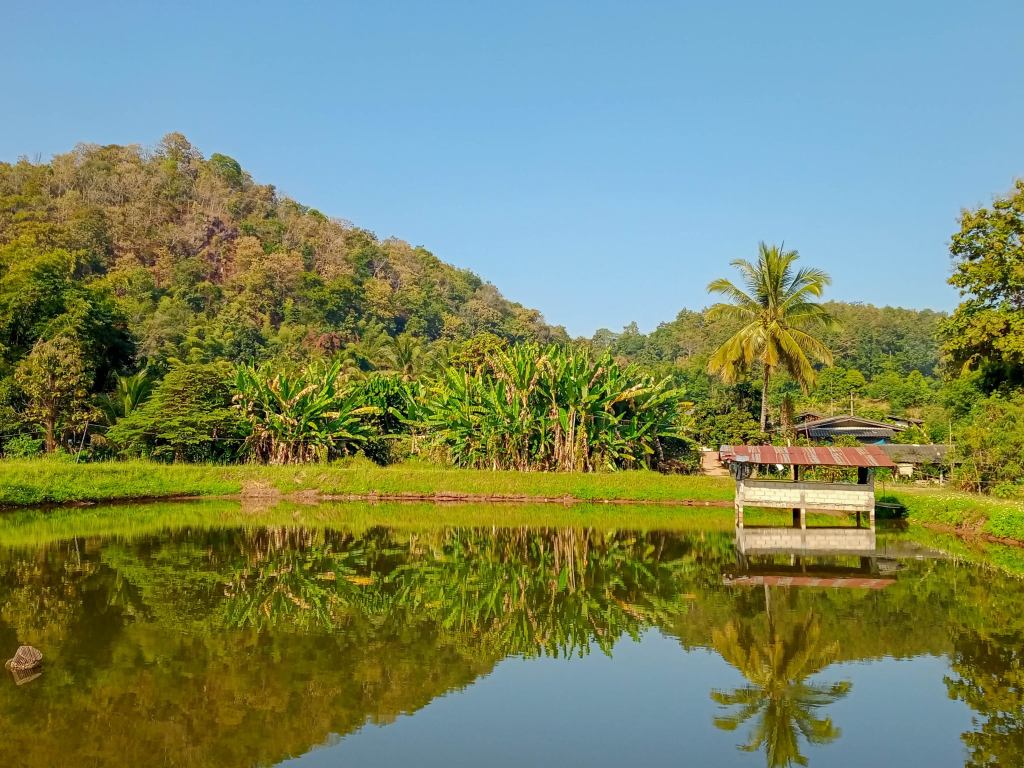
Over the past two decades, bacterial and viral diseases have impacted white shrimp production in many countries across Latin America, the Asia-Pacific region, and Southeast Asia, including Thailand. This has led some shrimp farmers to adopt integrated tilapia-shrimp farming. The integrated farming of tilapia and white shrimp can take three different forms, such as stocking both fish and shrimp in the same pond (simultaneous), raising shrimp and fish in separate ponds with shared water circulation (sequential), or alternating between shrimp and fish in the same pond (crop rotation).
This integrated tilapia-shrimp form of farming is considered an alternative production system. It has been increasingly adopted in commercial production because it improves water quality, controls phytoplankton growth, reduces organic matter in wastewater, and suppresses the outbreaks of bacterial and viral diseases in tilapia and shrimp.
This article presents some properties of tilapia and white shrimp and describes their mutually beneficial aspects, such as the properties of tilapia which reduce the spread of Vibrio harveyi bacteria, the cause of luminous disease in shrimp. It also looks at the combined cultivation of tilapia and white shrimp in terms of investment and environmental impact and presents case studies of successful integrated fish and shrimp aquaculture systems.
Antimicrobial Benefits of Integrated White Shrimp and Tilapia Farming
Tilapia plays a crucial role in inhibiting the spread of pathogenic bacteria and parasites in shrimp farming through several mechanisms.
First, tilapia acts as bio-manipulator in shrimp ponds, helping to control the population of harmful bacteria, particularly Vibrio harveyi, which is responsible for luminous vibriosis. The fish’s presence promotes a stable bloom of beneficial green algae, which can outcompete harmful bacteria for resources, thereby reducing their prevalence in the water.
Second, tilapia consumes organic waste and potential carriers of pathogens, such as small crustaceans and insect larvae. This feeding behavior helps to reduce the organic load in the pond, which can otherwise contribute to the proliferation of harmful bacteria.
Third, the skin mucus of tilapia contains natural antimicrobial substances that can inhibit the growth of pathogenic bacteria. Tilapia mucus consists of outer skin cells, such as Goblet mucus-secreting cells and Club cells that produce immunity-enhancing substances like lysozyme and lectin, which have antimicrobial properties against both bacteria and viruses (Dash 2017). Therefore, this mucus can effectively inhibit the growth of Vibrio bacteria. Moreover, water in tilapia farming systems primarily contain gram-positive bacteria, which helps inhibit Vibrio harveyi, a gram-negative bacterium. According to a study by Tendencia (2015), green water from tilapia broodstock ponds effectively inhibited luminous Vibrio for up to one week and showed better efficiency compared to water from juvenile fishponds. While the extent to which these antimicrobials are transferred to the water column in shrimp ponds is not fully understood, laboratory studies have shown their effectiveness against Vibrio species (Cruz 2008).
Last, tilapia contributes to bioturbation, which enhances sediment aeration and promotes the breakdown of organic matter. This process can improve overall water quality and reduce the conditions that favor growth of pathogenic bacteria.
However, although tilapia can help control pathogens, they may also harbor parasites that could pose a biosecurity risk to shrimp. This dual role necessitates careful management to maximize benefits while minimizing risks.
In summary, tilapia enhance shrimp farming sustainability by suppressing harmful bacteria and improving water quality, although ongoing research is needed to fully understand the mechanisms involved and to address potential risks.
Productivity Benefits of Integrated White Shrimp and Tilapia Farming
The farming of white shrimp with tilapia in an Integrated Multi-Trophic Aquaculture (IMTA) system shows clear productivity advantages compared to white shrimp monoculture.
A study by Juárez-Rosales (2019) compared the production of white shrimp (Litopenaeus vannamei) in monoculture and co-culture with tilapia in low-salinity earthen ponds. The study was conducted in Mexico over 106 days during both rainy season (September-December) and dry season (February-May). The results showed that co-culture yielded higher shrimp production in both seasons. During the rainy season, production reached 1,057.1 kg/ha compared to 1,028.6 kg/ha in monoculture, and in the dry season, production was 1,015.2 kg/ha compared to 987.5 kg/ha in monoculture. Furthermore, co-culture showed better results in terms of final weight, total biomass, Specific Growth Rate (SGR), Feed Conversion Ratio (FCR), and shrimp survival rate.
For tilapia production, co-culture with white shrimp during the dry season showed higher survival rates than during the rainy season. However, when considering the mix culture’s net yield of both white shrimp and tilapia, the rainy season produced significantly higher yields (1,235.0 kg/ha) compared to the dry season (1,200.5 kg/ha).
In conclusion, co-culture produces higher combined tonnages of shrimp and fish when compared to monoculture’s tonnage of shrimp alone, especially when feed management is optimized at appropriate rates and particularly during the rainy season when water temperature and feed quality were more favorable.
Economic Benefits of Integrated White Shrimp and Tilapia Farming
Integrated farming of white shrimp with tilapia in an Integrated Multi-Trophic Aquaculture (IMTA) system demonstrated better economic returns compared to white shrimp monoculture. According to a study of farmer groups (Suwimol 2011), integrated farming yielded an Internal Rate of Return (IRR) of up to 82.05% with a payback period of just 1 year, 4 months, and 29 days. In contrast, monoculture showed an IRR of only 31.62% with a longer payback period of 2 years, 8 months, and 17 days.
Data from the Department of Fisheries (DOF 2021) confirms these findings, showing that integrated farming with tilapia can generate a profit of 21,733.83 baht per rai (1rai=0.16ha), representing a Return on Investment (ROI) of 59.93%. A key factor contributing to the better returns in integrated farming is the reduction in feed costs, as tilapia eat the excess feed from shrimp farming.
In summary, there is growing evidence that integrated farming of white shrimp with tilapia provides better returns on investment compared to monoculture methods, with ROI ranging from 59.93% to 82.05%, while shrimp monoculture yields an ROI of only 31.62%.
Environmental Benefits of Integrated White Shrimp and Tilapia Farming
Integrated shrimp farming with tilapia provides multiple environmental benefits as it represents a system of efficient resource utilization.
First, tilapia’s consumption of organic waste and detritus helps reduce organic waste in shrimp ponds. This feeding behavior improves water quality, which is crucial for shrimp health and growth (Fitzsimmons 2001).
Second, tilapia acts as a biological manager in the aquaculture ecosystem, promoting the growth of beneficial phytoplankton, which helps maintain ecological balance in the pond.
Third, the integration of tilapia into the aquaculture system facilitates nutrient cycling, as tilapia consumes organic matter and converts it into harvestable biomass, which increases resource use efficiency.
Fourth, the presence of tilapia in the system reduces waste accumulation in ponds, which improves sediment quality and reduces disease outbreak risks. Integrated farming significantly reduces nitrogen (TN) and phosphorus (TP) discharge. Juárez-Rosales (2019) found that shrimp monoculture released higher levels of TN and TP into the environment, of up to 42.9% TN (rainy season) and 24.1% TN (dry season), compared to integrated farming with tilapia, which reduced the discharge to 12.5% TN (rainy season) and 23.0% TN (dry season).
Last, an integrated tilapia-shrimp farming system is considered more sustainable than traditional shrimp farming, as it reduces the need for chemicals and antibiotics, promoting environmentally friendly aquaculture practices.
Case Studies of Fish-Shrimp Co-Culture
Fish-shrimp co-culture systems have proven successful in various regions, showcasing their potential to enhance productivity and sustainability in aquaculture.
In Thailand, Fitzsimmons (2001) demonstrated that tilapia-shrimp polyculture significantly increased shrimp production, improved water quality through phytoplankton control, and exhibited greater resistance to disease outbreaks compared to shrimp monoculture. In the Philippines, Tendencia (2006) reported that milkfish-shrimp co-culture reduced luminous bacteria levels, stabilized water quality parameters, and yielded higher economic returns than shrimp monoculture. Similarly, in China, Zhen-xiong (2001) highlighted that carp-shrimp polyculture improved nitrogen utilization, reduced organic waste accumulation, and achieved higher total yields and economic benefits.
Challenges in Fish-Shrimp Co-Culture
Fish-shrimp co-culture systems offer numerous benefits, but also present several interconnected challenges, particularly in maintaining water quality to ensure the health and productivity of both species. Addressing these challenges requires a combination of technological, biological, and management strategies.
Dissolved oxygen levels are critical factors, especially at higher stocking densities. Ensuring adequate oxygen levels involves employing efficient aeration systems, and optimizing stocking densities, which can otherwise deplete oxygen in the water. Moreover, fluctuations in pH levels pose additional risks to aquatic life, as they can be caused by metabolic activities and photosynthesis. Stabilizing pH requires regular water quality monitoring and strategies to manage carbon dioxide build-up. Temperature management is particularly challenging in co-culture systems, as the optimal temperature ranges for fish and shrimp may differ. This issue can be addressed by using temperature control systems and managing pond depths to maintain thermal stability.
By integrating these approaches, fish-shrimp co-culture systems can overcome water quality challenges and ensure both species thrive in a balanced and sustainable environment.
Recommendations for Fish-Shrimp Co-Culture
For successful fish-shrimp co-culture, farmers should focus on proper stocking density, regular water quality monitoring, and efficient feed management. Implementing biosecurity measures and sustainable practices while minimizing chemical use is essential. Regular financial assessments help maintain profitability.
Academic research should prioritize studying species compatibility, optimal stocking ratios, and disease interactions. Knowledge transfer through training programs and collaboration between institutions is crucial for advancing sustainable aquaculture practices.
Government support through regulatory frameworks, financial assistance, and research funding is vital. This includes establishing biosecurity programs, facilitating market access, and promoting sustainable aquaculture development through policy measures.
Conclusion
Fish-shrimp co-culture systems represent a sustainable and economically viable solution for modern aquaculture. They demonstrate promising benefits in terms of water quality improvement, disease management, and reduced environmental impact. Tilapia contributes to the system by bio-manipulating pond ecosystems, consuming organic waste, and inhibiting pathogenic bacteria, particularly Vibrio harveyi. Moreover, co-culture systems enhance the overall yield and survival rates of both species, particularly under optimized feed management and seasonal conditions. These findings underscore the importance of integrating ecological principles into aquaculture practices to address challenges like water quality deterioration and disease outbreaks effectively.
From a financial perspective, integrated farming outperforms traditional monoculture methods by yielding higher returns on investment and shorter payback periods. Reduced feed costs, coupled with improved resource efficiency, position integrated systems as a financially sustainable alternative for aquaculture enterprises. Furthermore, case studies from various countries highlight the scalability and adaptability of fish-shrimp co-culture across diverse environmental and socio-economic contexts. However, while the benefits are significant, the success of such systems hinges on careful species selection, effective management practices, and ongoing research to mitigate potential risks.
 AQUADAPT