By Dr. Chanagun Chitmanat
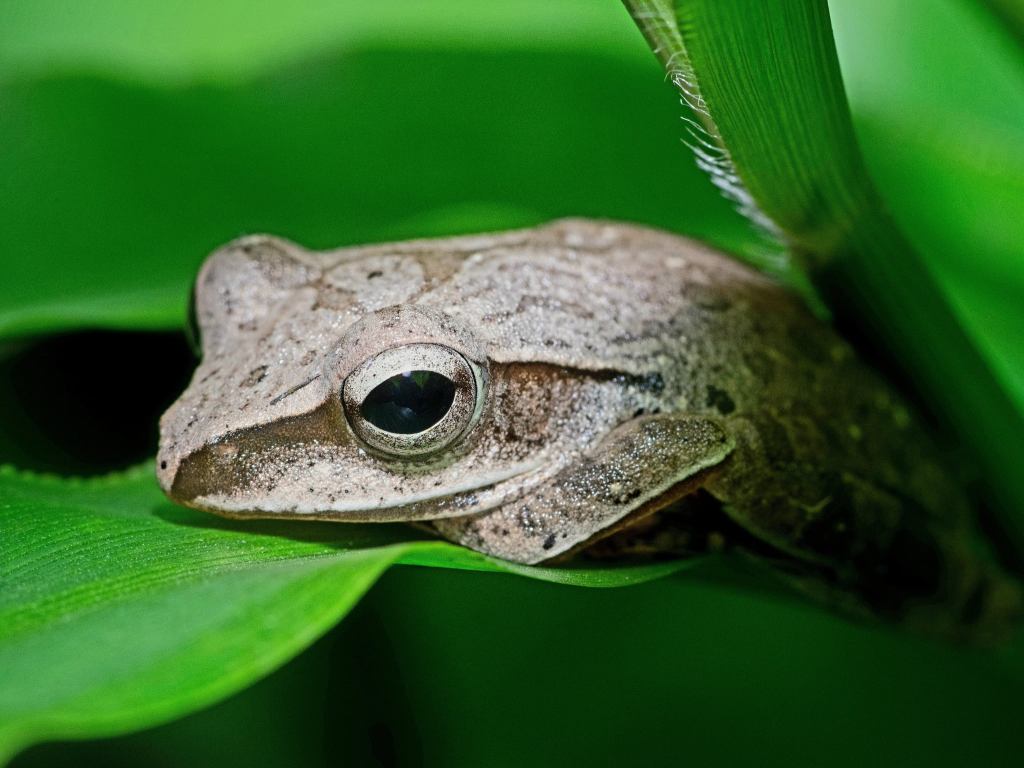
Aquaculture has long been a cornerstone of food production in Southeast Asia where fish, shrimp, and mollusks are the principal species cultivated. In recent decades, however, the culture of frogs, particularly the farming of the East Asian bullfrog (Hoplobatrachus rugulosus), has gained importance in countries like Thailand, Vietnam, and Cambodia. This emerging sector reflects a growing recognition of frogs as a sustainable protein source and presents a compelling case for the sector’s integration into environmentally friendly aquaculture practices. Frog farming, when implemented responsibly, offers ecological, economic, and nutritional benefits that align with the goals of sustainable development.
Rise of Frog Farming
In Thailand, frog farming began to scale up during the 1980s due to high demand for frog meat both for domestic consumption and for export markets such as China, Taiwan, and the United States. Initially, wild harvesting was the primary source of frogs, leading to ecological imbalances and depletion of natural frog populations. Recognizing the need for sustainable management, Thai farmers began developing closed-cycle frog farming systems. Today, frog farming has spread widely across Southeast Asia, from the Mekong Delta in Vietnam to the plains of Laos and rural Indonesia. The quantity and the value of frog production in Thailand in 2023 was approximately 2,266 tonne and 155 million Thai Baht respectively (DOF 2024).
Frogs are especially well suited to aquaculture in this region due to their adaptability to warm, humid climates and their relatively simple dietary requirements. Their short breeding cycle and high fecundity make them ideal for smallholder farming systems. Moreover, frogs require less water and land than traditional livestock, contributing to their environmental appeal.
Environmentally Friendly Practices in Frog Farming
To ensure that frog culture aligns with environmentally friendly aquaculture, several sustainable practices have emerged.
Modern frog farms use recirculating water systems or small ponds with water filtration and treatment setups to minimize environmental discharge. Wastewater is treated using natural sedimentation and biofiltration before reuse or release to reduce the risk of water pollution and eutrophication in nearby ecosystems. Mello (2016), in an article about the effectiveness of water recirculating systems for bullfrog production, reported that organic matter was removed at an average rate of 87% and that frogs cultured under this system presented satisfactory rates of weight gain and high rates of survival (97%).
Many small-scale farmers experiment with insect-based and plant-based feed alternatives to reduce their reliance on commercial pellets, which often contain fishmeal sourced from overfished marine stocks. As well, partial incorporation of black soldier fly larvae or agricultural by-products into feeds aligns with circular economy principles and enhances sustainability (Nghia 2023).
Pesticides have negative effects on non-target organisms and ecosystems. These effects include alterations of the frog embryo, modifications to the process of metamorphosis, reductions of immunity, and gonadal damages (Carrasco 2021). In addition, the amphibian chytrid fungus Batrachochytrium dendrobatidis is one of the causative factors of severe amphibian declines (Adams 2017). By promoting farmed frog production, the pressure on wild populations has decreased. Some community-led programs have even incorporated frog farming into their conservation goals, promoted the reintroduction of frogs into protected wetland areas and engaged in environmental education about frogs.
In countries like Vietnam and Cambodia, frogs are often raised alongside rice or fish in integrated farming systems. Such polyculture methods improve land-use efficiency and help control pests naturally, reducing the need for chemical pesticides and fertilizers. As well, the frog’s activity may decrease global warming by reducing methane (CH4) emissions from rice fields (Fang 2019).
Economic and Social Implications of Frog Farming
Frog culture supports rural livelihoods and empowers smallholder farmers by providing a low-cost, high-yield source of income. The relatively low start-up investment and space requirement make it accessible to poorer households, particularly to women and to youth. In Thailand, community cooperatives and government extension services have played a key role in training farmers to adopt sustainable practices and in helping them to access markets.
Furthermore, in Southeast Asia, the demand for frog meat is robust across various cultural contexts, since it is seen as a delicacy with medicinal properties in traditional belief systems. This cultural acceptance ensures a stable demand for the product and contributes to income security for the farmers.
Challenges and Future Directions of Frog Farming
Despite its promise, frog culture in Southeast Asia faces challenges. Disease outbreaks, especially from chytridiomycosis, can threaten both farmed and wild frog populations. Poorly managed farms may still contribute to environmental degradation through the unregulated discharge of effluent or through the introduction of non-native species. Therefore, strong regulatory frameworks and farmer education are essential.
Additionally, as demand for sustainable and ethical products increases globally, the frog farming industry in Southeast Asia must adopt certification and traceability systems that assure consumers of environmentally sound practices.
Conclusion
For Southeast Asia, frog culture presents a promising frontier within an environmentally friendly aquaculture industry. When aligned with sustainable principles, such as closed-loop water systems, organic feeding, biodiversity protection, and integrated farming, frog culture not only contributes to ecological preservation but also supports economic development and food security. Thailand’s leadership in this area serves as a model for other countries in the region, underscoring the potential for innovative, nature-based solutions in modern aquaculture. As environmental concerns intensify, the integration of traditional practices with modern sustainability principles will be crucial for the continued growth and success of frog farming in Southeast Asia.
 AQUADAPT