By Dr. Daranee Seguin
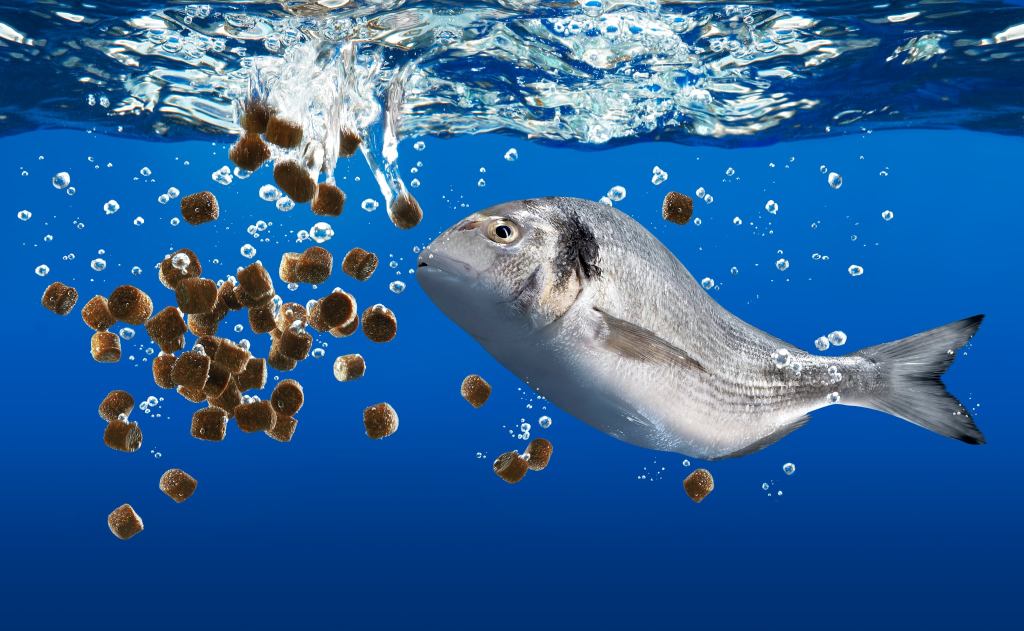
Aquaculture has become an essential pillar of global food production, providing a sustainable source of protein to address the nutritional needs of an expanding population. However, the rapid growth of this industry has raised significant environmental concerns, particularly regarding feed efficiency, resource utilization, and waste management. In response to these challenges, functional feeds have emerged as a transformative solution to enhance aquaculture sustainability. These feeds are meticulously formulated with specialized ingredients designed to improve health, growth, and overall performance of the cultured species while simultaneously reducing environmental impacts (Iribarren 2012; Li 2023).
Functional feeds represent a significant advancement in aquaculture nutrition, going beyond basic dietary requirements by incorporating bioactive compounds that enhance fish health, immunity, and growth. These feeds are formulated with additives such as probiotics, prebiotics, immunostimulants, phytogenics, and omega-3 fatty acids, which work synergistically to optimize fish production. Their use is critical in intensive aquaculture systems, where high stocking densities and environmental stressors often compromise fish health and increase susceptibility to diseases.
The multifaceted roles of functional feeds in aquaculture are described below. They focus on the feeds’ contributions to health, growth optimization, and environmental sustainability.
Role of Functional Feeds in Enhancing Fish Health and Immunity
A key benefit of functional feeds is their capacity to enhance disease resistance in farmed species. The inclusion of bioactive compounds such as probiotics, prebiotics, immunostimulants, and antioxidants strengthens the immune systems of fish and shrimp, reducing the need for antibiotics and other chemical treatments. This reduction in pharmaceutical inputs lowers the risk of antimicrobial resistance and minimizes the discharge of harmful residues into the aquatic environment (Hu 2023; Torres-Maravilla 2024).
Probiotics are live microorganisms that colonize the gut, promoting beneficial bacterial growth and inhibiting pathogens. Species such as Lactobacillus and Bacillus have been shown to improve gut health by modulating the gut microbiota, enhancing nutrient absorption, and preventing pathogen colonization. For instance, Lactobacillus plantarum (108-109 CFU/g feed) has been shown to enhance gut health and immune responses in Nile tilapia (Oreochromis niloticus), reducing mortality rates caused by Aeromonas hydrophila (Hamdan 2016). Similarly, Bacillus subtilis supplementation in shrimp feeds improved growth performance and stimulated innate immunity (phagocytosis, lysozyme, respiratory burst), leading to lower mortality and better disease resistance (Zokaeifar 2012).
Prebiotics, such as fructo-oligosaccharides (FOS), mannan-oligosaccharides (MOS), and β-glucans, are non-digestible carbohydrates that stimulate the growth of beneficial gut bacteria and support gut health, immune function, and nutrient absorption. For example, dietary β-1,3/1,6-glucan at around 0.1-0.2% of feed has been reported to enhance immune parameters (phagocytosis, lysozyme) and relative survival rates after a pathogen challenge in carp and other species (Selvarej 2006). Other prebiotics like MOS have improved feed conversion and gut health in channel catfish, tilapia and Atlantic salmon, and can also enhance nutrient retention (e.g. 8-12% higher growth per unit feed in salmon). Altogether, prebiotics optimize the gut ecosystem, thus improving growth efficiency and survival. MOS supplementation in Atlantic salmon (Salmo salar) feeds improved gut microbiota composition and enhanced resistance to Vibrio anguillarum infections (Ringø 2010).
Immunostimulants are compounds that enhance the fishes’ immune response, making them more resistant to diseases. Immunostimulants, such as beta-glucans derived from yeast or seaweed, activate innate immune responses, increasing resistance to bacterial and viral infections. Dietary supplementation of beta-glucans in Indian major carp (Labeo rohita) significantly enhanced lysozyme activity and improved survival rates after Aeromonas hydrophila challenge (Selvaraj 2006). Oregano oil (rich in carvacrol) or rosemary in feeds can enhance disease resistance in sea bass and trout, often reflected as a 10-15% higher survival rate when challenged (Onomu 2024).
Antioxidants play a crucial role in protecting cells from oxidative damage, reducing stress and improving overall health of aquatic animals. Vitamin C, vitamin E, and microminerals like selenium (Se) are commonly used antioxidants in aquaculture feeds. For instance, dietary vitamin C, vitamin E and selenium supplementation increased growth performance, antioxidant capacity and immune responses in juvenile rainbow trout (Oncorhynchus mykiss) (Harsij 2020).
Role of Functional Feeds in Optimizing Growth and Feed Efficiency
A notable advantage of functional feeds, which contain additives such as phytogenics, long-chain polyunsaturated fatty acids, and feed intake stimulants, is their ability to improve feed conversion efficiency. By optimizing feed conversion ratios (FCR), these feeds ensure that a higher proportion of the ingested nutrients is utilized for growth, thereby reducing feed waste.
Phytogenics are bioactive compounds derived from plants, including herbs, spices, essential oils, and plant extracts. Common phytogenic plants include garlic (Allium sativum), oregano (Origanum vulgare), thyme (Thymus vulgaris), and turmeric (Curcuma longa). Phytogenics, such as phenols, flavonoids, and terpenoids, disrupt the cell membranes of pathogens, inhibiting their growth. For example, carvacrol and thymol, found in oregano and thyme, acted as a growth promoter with potent antibacterial and antifungal properties in fish (Zheng 2009). Garlic extract has increased lysozyme activity and phagocytosis in fish (Talpur 2012), while peppermint (Mentha piperita) essential oil enhanced feed intake and growth performance in fish (Talpur 2014).
Long-chain polyunsaturated fatty acids (LC-PUFA), like 22:6n-3 (Docosahexaenoic acid; DHA) and 20:5n-3 (Eicosapentaenoic acid; EPA) play vital physiological roles in various aquaculture species. EPA and DHA are essential for the optimal growth and development of farmed fish and shrimp, where they contribute to producing high-quality seafood for human consumption. However, aquaculture feed has faced a persistent challenge due to limited supplies of EPA and DHA from fishmeal and fish oil. Increasing demand and feed volumes have driven up the prices of these marine ingredients, prompting producers to replace fish oil with more readily available vegetable oils (Tocher 2019).
Diets high in fish oil (FO), particularly rich in EPA and DHA, support better final weight and specific growth rate (SGR) in marine fish. Fish oil enhances nutrient absorption and energy utilization, leading to better feed conversion ratios. Furthermore, diets rich in omega-3 fatty acids have been shown to enhance macrophage and lysozyme activity, which improves the ability to fight infection in gilthead seabream (Montero 2003). Unlike fish oil, which can vary by species and season, algal oils have stable fatty acid profiles. This consistency ensures reliable levels of EPA and DHA in feeds. Research has indicated that algae-based omega-3 can support the health and resilience of salmon, improve nutrient utilization and growth performance, boost anti-inflammatory responses, and increase disease resistance; these outcomes are comparable to those for fish fed traditional fish oil-based diets (Glencross 2025).
Feed intake stimulants and attractants are crucial additives for improving feed palatability and increasing feed intake, particularly when incorporating alternative, potentially less palatable, ingredients into aquafeed. Key additives in this category include various free amino acids (e.g. L-alanine, L-glutamic acid, glycine, L-arginine), betaine, nucleotides and nucleosides (e.g. IMP, inosine), amines (e.g. cadaverine, putrescine), certain sugars (e.g. D-glucose, sucrose), and organic acids (Pandi 2023). Research has demonstrated that betaine supplementation or a combination of limonene, allicin, and betaine in feeds increased feed intake and growth rates in Atlantic salmon and largemouth bass, respectively (Kasumyan 2003; Yue 2022). By incorporating stimulants and attractants, functional feeds reduce the need for excessive feeding, thereby minimizing waste and environmental impact.
Role of Functional Feeds in Supplying Environmental Benefits
Functional feeds containing enzymes improve nutrient utilization, enabling more effective organic and inorganic waste management in aquaculture systems. This approach enhances water quality and supports ecosystem health by reducing pollution loads (Hasan 2020; Ali 2022).
Enzymes are key biological catalysts that improve digestion and boost nutrient absorption in aquaculture species. Phytase, for example, enhances phosphorus availability in plant-based feeds, reducing the need for inorganic supplementation, minimizing phosphorus excretion by 30-50%, and lowering the risk of eutrophication in aquatic ecosystems (Nathanailides 2021; Wei 2022). Beyond phytase, other exogenous enzymes such as carbohydrases (e.g. xylanase, β-mannanase, β-glucanase, α-amylase) and proteases increase the digestibility of both macro- and micronutrients. This is especially critical in plant-based feeds, which often contain anti-nutritional factors capable of hindering nutrient absorption (Kumar 2011).
By decreasing feed waste, functional feeds address issues such as fighting eutrophication and maintaining water quality, which are particularly pressing in intensive aquaculture systems (Pérez‐Sánchez 2013; Ofelio 2021).
By reducing the reliance on fishmeal and fish oil and by optimizing feed utilization, functional feeds contribute to the conservation of natural resources. Algae-based ingredients, such as Schizochytrium sp., provide a sustainable source of omega-3 fatty acids, reducing dependence on wild-caught fish for fish oil production (Tocher 2019).
By incorporating alternative protein sources in aquafeed, such as plant-based and algal-derived ingredients, functional feeds conserve marine resources and promote biodiversity by alleviating fishing pressure on wild populations (Chu 2011; Caruffo 2015). For instance, black soldier fly larvae (Hermetia illucens) have been successfully used as a sustainable protein source in aquaculture feeds (Barroso 2014).
In addition, functional feeds contribute to climate change mitigation efforts by reducing greenhouse gas emissions from aquaculture. The incorporation of plant-based ingredients and by-products in feeds lowers the carbon footprint of aquaculture operations (Tacon 2008).
All these practices contribute to the circular economy by utilizing renewable resources and reducing waste.
Potential Limitations of Functional Feeds in Aquaculture
While functional additives and feeds provide numerous benefits to aquaculture, their application presents several challenges and limitations. These limitations can be categorized into technical, economic, and regulatory issues. Addressing these factors is essential to fully realize the potential of functional feeds in sustainable aquaculture.
Technical Limitations: A significant limitation is the variability in the effectiveness of functional additives across different species and environmental conditions. Different fish species exhibit different physiological and metabolic responses to functional additives, which makes the development of universal solutions challenging. For instance, probiotics that are beneficial for Nile tilapia such as Lactobacillus plantarum may not have the same positive effects on shrimp due to differences in gut microbiota. Similarly, beta-glucans enhance immunity in salmonids but may not have the same effect in crustaceans.
Moreover, functional additives can interact with other feed ingredients, reducing their effectiveness or causing unintended side effects. Certain ingredients may contain anti-nutritional factors that bind to or degrade the functional additives, further reducing their effectiveness.
Additionally, environmental factors can accelerate the degradation of sensitive additives during feed production, storage, and use, while variations in salinity can affect the solubility and bioavailability of certain nutrients and additives. Many functional ingredients, like probiotics and enzymes, are sensitive to environmental factors such as heat, moisture, and oxygen. Probiotics can lose viability when exposed to high temperatures during feed processing, significantly reducing their effectiveness. Likewise, enzymes such as phytase may become inactive if not properly stabilized, leading to reduced nutrient availability in the feed. This instability necessitates careful formulation and storage conditions to ensure that these additives retain their beneficial properties until consumed by the fish.
Furthermore, determining the optimal inclusion rate for functional additives can be challenging. Overdosing can lead to toxicity or decreased efficacy, while underdosing may not yield the desired benefits. For example, high doses of phytogenics, like essential oils, may result in adverse effects like reduced feed intake.
Economic Limitations: The economic implications of incorporating functional additives into aquaculture feeds are a critical consideration. While these additives can enhance growth and health, the costs associated with sourcing and integrating them into existing feed formulations must be justified by the economic returns from improved production efficiency and fish health. This is particularly relevant in developing regions where feed costs constitute a significant portion of overall production expenses. The increased cost of feed may thus be unfeasible for small-scale farmers (Tocher 2019). Additionally, the economic benefits of functional feeds, such as improved growth and reduced mortality, may not always outweigh the higher costs, especially for low-value species or low-intensity farming systems.
Regulatory Limitations: The use of certain functional additives may be subject to regulatory restrictions, which can limit their availability and application in some regions. For instance, the use of specific probiotics or prebiotics in commercial feeds may require specific certifications, which can impact their usage. The regulatory process for functional feeds relies heavily on scientific research and data. However, there may be limited research available on certain functional additives, especially those that are newly developed or less commonly used. This lack of data can hinder the regulatory bodies’ ability to make informed decisions regarding the safety and efficacy of these products, potentially delaying their approval and use in aquaculture. Consequently, this regulatory landscape can create barriers to the adoption of innovative feed formulations.
Conclusion
Functional feeds represent a transformative tool for advancing sustainable aquaculture, offering innovative solutions to the industry’s critical challenges, such as disease outbreaks, poor feed efficiency, and environmental impacts. Key functional additives, including probiotics, prebiotics, immunostimulants, and enzymes, have demonstrated significant benefits in enhancing fish health and growth while reducing environmental footprints.
The multifaceted advantages of functional feeds, ranging from improved feed conversion ratio and disease resistance to reduced reliance on wild-caught fish and minimized nutrient pollution, underscore their potential to drive sustainable practices. As research continues to uncover new insights into the active mechanisms of various feed additives, their use in aquaculture’s future appears increasingly promising. However, achieving long-term sustainability will require the integration of eco-friendly ingredients and innovative technologies.
In conclusion, functional food is not merely a technological advancement, but a cornerstone of sustainable and environmentally friendly aquaculture practice. By enhancing productivity, promoting environmental stewardship, and ensuring the health of farmed species, it offers a viable pathway toward a resilient and sustainable future for the global aquaculture industry.
 AQUADAPT