By Dr. Nguyen Van Bao
Indigenous knowledge systems have drawn renewed attention, in recent decades, for their potential value in addressing climate change, biodiversity loss, and ecosystem degradation (Ogar 2020; Dorji 2024). In effect, the lived experiences and place-based knowledge of Indigenous and ethnic minority communities contribute meaningfully to climate resilience and natural resource governance. Vietnam’s aquaculture, one of the country’s most diverse and rapidly expanding sectors, relies heavily on the ecological knowledge of ethnic minority communities and local farmers. Yet this knowledge remains understudied and underrecognized in national sustainability planning.
This essay examines how centering Indigenous knowledge in sustainable aquaculture in Vietnam can inform broader environmental governance, while identifying barriers to its integration and proposing strategies for more inclusive and climate-resilient approaches.
Challenges Facing the Usage of Indigenous Knowledge
In Vietnam, Indigenous Peoples, officially categorized as ethnic minority groups, hold long-standing aquaculture knowledge adapted to coastal, deltaic, and lagoon ecosystems. Despite its acknowledged value, Indigenous knowledge remains marginalized in environmental decision-making through four separate issues.
One major reason is its systematic undervaluation (Niko 2025). Policymakers and scientists tend to value quantitative data and Western epistemologies, and treat Indigenous practices as informal stories and thus not recognize them as legitimate forms of knowledge. This tendency is especially evident in aquaculture, where traditional low-impact systems are frequently overlooked in favor of industrial-grade and technology-intensive models. In Vietnam, farmers’ place-based knowledge, such as reading water color and smell to assess pond health, aligning water exchange with lunar and tidal rhythms, or using mangrove canopy as a natural biofilter to stabilize temperature and reduce shrimp stress, illustrates a refined ecological literacy still undervalued in mainstream aquaculture planning.
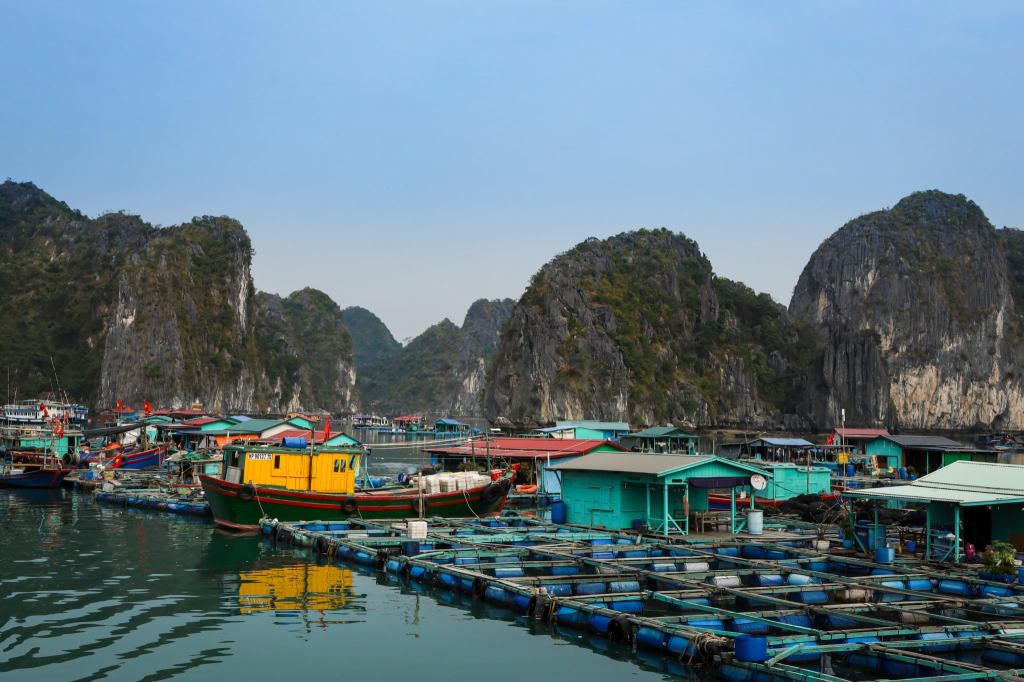
Political and legal exclusion also plays a central role. Across many regions, Indigenous Peoples still lack formal recognition of their rights to land, water, and natural resources (Brondízio 2021). In Vietnam, this manifests mainly as insecure access to lagoons, mangrove forests, and coastal water bodies due to overlapping administrative jurisdictions and rapid expansion of industrial aquaculture zones. For example, lagoon fishers in central Vietnam, who have long-standing, well-established cage sites based on traditional indicators of water movement, turbidity, and seasonal winds, increasingly face zoning restrictions that disregard their ecological knowledge. Without secure access rights, communities remain vulnerable to displacement and the erosion of place-based management systems.
A third challenge is the weakening transmission of intergenerational knowledge, which poses a serious threat to sustainable aquaculture practices. Traditionally, ecological knowledge has been passed down through oral traditions, storytelling, rituals, and community-based practices (Daigle 2019). However, young people who leave coastal and rural areas for school or work in cities lose opportunities to learn traditional aquaculture techniques from their elders. The decline of Indigenous languages further compounds this issue, since many aquatic and ecological insights are encoded in local terminologies describing water movements, fish behavior, and lunar cycles that cannot be fully translated into dominant languages. In aquaculture settings, this includes knowledge of how to identify “good water” for stocking fingerlings, how to use botanical remedies such as sea almond, chinaberry, or guava leaves to treat fish diseases, or how to maintain ecological balance in rice-fish systems, know-how that risks disappearing without active cultural transmission.
The final issue is tokenistic inclusion. Although Indigenous voices are increasingly acknowledged in international forums and policy dialogues, this recognition often remains symbolic rather than substantive (Zurba 2023). In aquaculture and coastal governance programs, Indigenous communities are sometimes included to legitimize sustainability narratives but rarely granted decision-making authority or control over benefit-sharing. Re-centering Indigenous knowledge within sustainable aquaculture therefore requires moving beyond tokenism, toward genuine co-governance and co-design models where Indigenous communities define ecological goals, guide implementation, and evaluate outcomes according to their own principles of stewardship.
Why These Challenges Matter
Neglect of Indigenous knowledge has far-reaching consequences for both environmental sustainability and social equity.
First, it is important to recognize that Indigenous Peoples, while comprising less than 5% of the global population, safeguard approximately 80% of the world’s remaining biodiversity (WEF 2023). This underscores their indispensable role as ecological stewards. In Vietnam, ethnic minority communities make up roughly 14-15% of the national population and maintain long-standing aquaculture and resource management practices that significantly contribute to local ecosystem resilience. Practices such as integrated rice-shrimp farming, mangrove-friendly aquaculture, and lagoon-based fisheries are not merely cultural traditions, but refined systems of environmental management rooted in centuries of observation and adaptation. Local communities further sustain practices, such as rice-fish refuges (“rãnh sâu”), mangrove-shrimp polyculture, and the use of natural sediments to line the bottom of ponds, which enhance biodiversity while reducing chemical dependence.
Second, Indigenous knowledge offers holistic and long-term approaches that complement scientific methods. Whereas reductionist scientific frameworks often isolate variables, Indigenous epistemologies emphasize the deep interconnections among land, water, plants, animals, and humans. These knowledge systems are uniquely specialized in managing complexity and fostering long-term resilience (Turner 2022). Coastal and delta farmers evaluate pond health through multisensory assessments (watercolor, smell, turbidity, foam patterns, and the behavior of insects or birds), producing context-rich readings of environmental change that scientific instruments may overlook.
Third, valuing Indigenous knowledge also carries important social justice implications. The continued marginalization of Indigenous Peoples perpetuates historical injustices rooted in colonization, land dispossession, and resource exploitation (Zurba 2023; Samper 2025). In the context of aquaculture and fisheries governance, ensuring Indigenous participation means recognizing communities not only as resource users but as co-managers whose traditional ecological knowledge sustains both ecosystems and livelihoods.
Finally, solutions to the environmental crises of today demand pluralistic knowledge systems. Indigenous knowledge, with its emphasis on local adaptation, reciprocity, and resilience, offers essential insights that enrich scientific and technological solutions (Makondo 2018). Such integration is particularly relevant for sustainable aquaculture, where blending Indigenous ecological wisdom with modern science could create adaptive, low-impact systems that enhance both food security and ecosystem health.
Pathways to Embedding Indigenous Knowledge in Sustainable Aquaculture
A foundational step is the recognition and protection of Indigenous communities’ rights to land and water resources. In Vietnam, the Fisheries Law (2017) and emerging co-management frameworks offer legal pathways to strengthen community access to lagoons, mangrove areas, and wetlands. Ensuring secure tenure is essential for communities to maintain the ecological practices that underpin their knowledge systems.
Scientific and Indigenous knowledge systems should not operate in isolation. Platforms for co-production, where Indigenous communities engage with scientists, policymakers, and conservationists as equal partners, create opportunities to bridge epistemic divides (Buschman 2022). Vietnam offers strong potential for co-production: satellite-based salinity and flood monitoring could be combined with Indigenous indicators such as foam patterns, lunar-tide calendars used for water exchange, or traditional methods for identifying productive nursery grounds. Such knowledge bridging can yield environmental assessments that are richer and more sensitive to local contexts.
Cultural transmission of knowledge systems should be strengthened. Indigenous languages, rituals, and practices are not peripheral traditions but vital vehicles for conveying ecological knowledge. In many fishing and aquaculture communities, cultural traditions such as songs and seasonal rituals convey practical knowledge about when to breed fish, how to manage water salinity, and how to maintain ecosystem balance. Education systems, therefore, should promote bilingual curricula that integrate Indigenous ecological wisdom with scientific learning. Supporting youth participation in traditional aquaculture, such as teaching how to prepare ponds using plant-based treatments, how to observe seasonal winds for cage placement, or how to manage rice-fish wetlands, can revitalize cultural continuity and nurture future generations of ecological stewards.
Social justice cannot be achieved without a genuine recognition of Indigenous knowledge. Vietnam’s diverse aquaculture systems, from mangrove-shrimp landscapes in Ca Mau to lagoon fisheries in Hue, demonstrate that Indigenous knowledge is a living, adaptive science rather than a relic of the past. Only by embracing multiple ways of knowing and positioning Indigenous wisdom as foundational, rather than supplementary, can humanity move toward a more inclusive, equitable, and resilient model of sustainable aquaculture.
Conclusion
Indigenous knowledge is both an invaluable resource for sustainable aquaculture and a marker of cultural resilience. Yet it continues to face systemic undervaluation, erosion, and exclusion. Addressing these challenges is essential not only for the survival of Indigenous communities but also for the effectiveness of Vietnam’s broader environmental governance. Only by fully recognizing and integrating Indigenous knowledge can Vietnam build an aquaculture sector that is ecologically sustainable, socially just, and resilient to future climate challenges.
 AQUADAPT