Tag: Dr. Praneet Ngamsnae
-
Live Fish House: Integrating Local Knowledge and Nature-Based Solutions
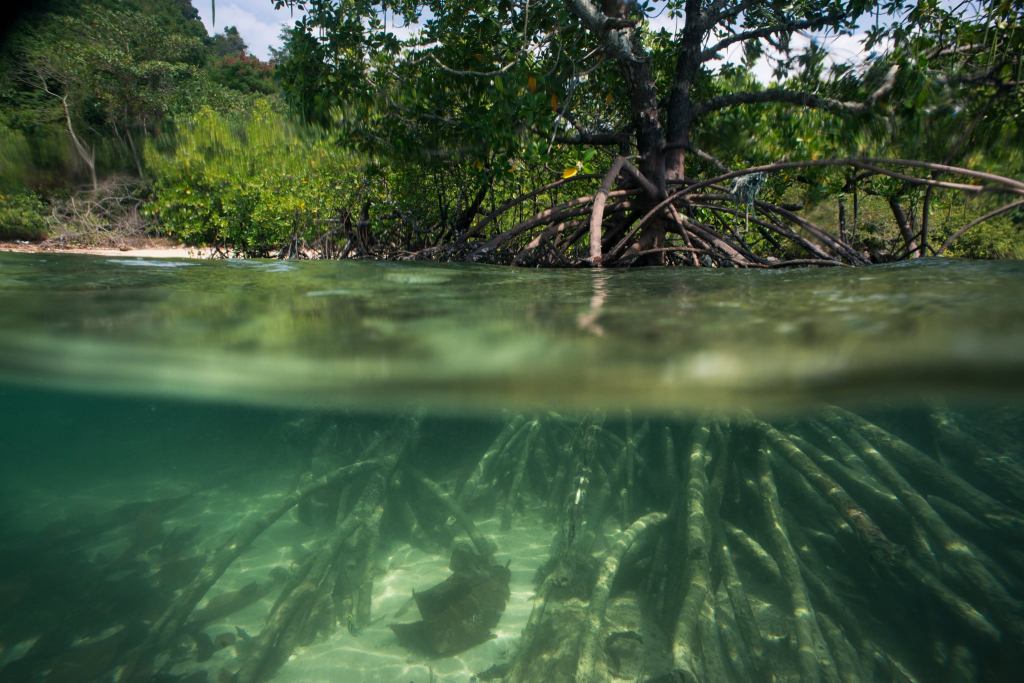
The “Live Fish House” model demonstrates that integrating local knowledge with Nature-based Solutions can generate synergistic outcomes for aquatic ecosystem restoration, livelihood enhancement, and sustainable fish production. By functioning as a habitat-based, culture-based fishery system, the model enhances natural recruitment, increases carrying capacity, and supports fish stock recovery without reliance on intensive aquaculture inputs.
-
Local Knowledge and Nature-based Solutions in Thailand’s Inland Aquaculture
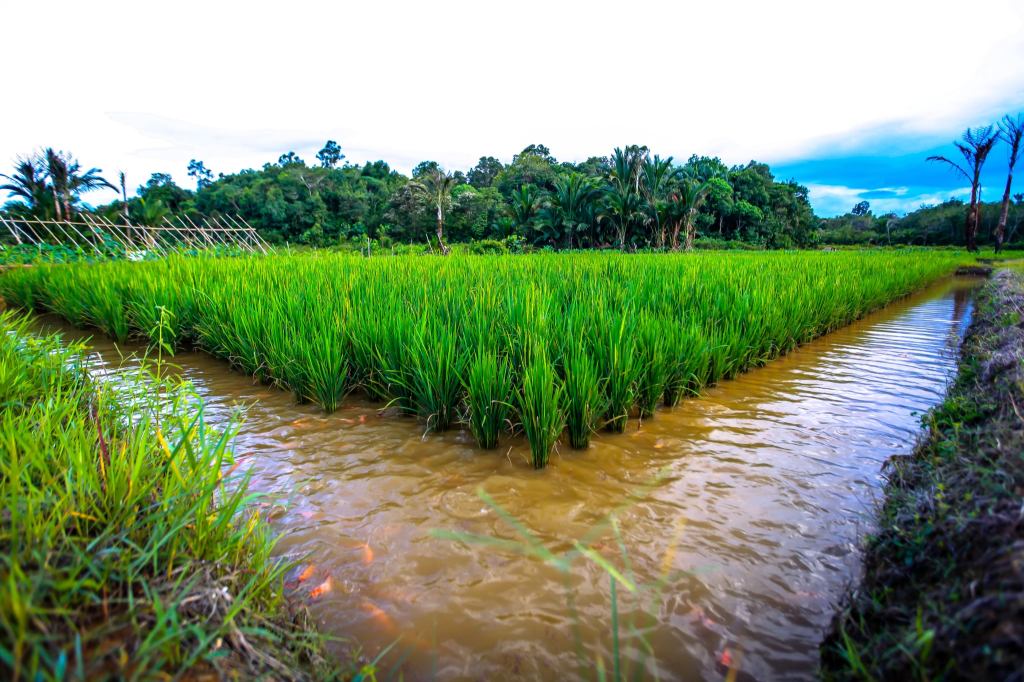
Local knowledge and Nature-based Solutions constitute mutually reinforcing pillars for sustainable inland aquaculture in Thailand. Traditional, place-based practices enhance ecosystem services and livelihoods, while NbS provide conceptual and technical frameworks to address contemporary challenges such as climate change, pollution, and biodiversity loss.
-

Recirculating Aquaculture Systems for a Carbon Neutral Aquaculture
Recirculating Aquaculture Systems (RASs) offer a compelling pathway toward achieving carbon-neutral aquaculture by maximizing resource efficiency, minimizing environmental impacts, and integrating renewable energy solutions alongside closed-loop nutrient cycling.
-

Community-based Crab Banks
The community-based crab bank initiative has shown itself to be a practical and effective strategy for enhancing the sustainability of blue crab populations while fostering socio-economic and ecological resilience in coastal communities.
-
Sustainable Bivalve Aquaculture in Thailand
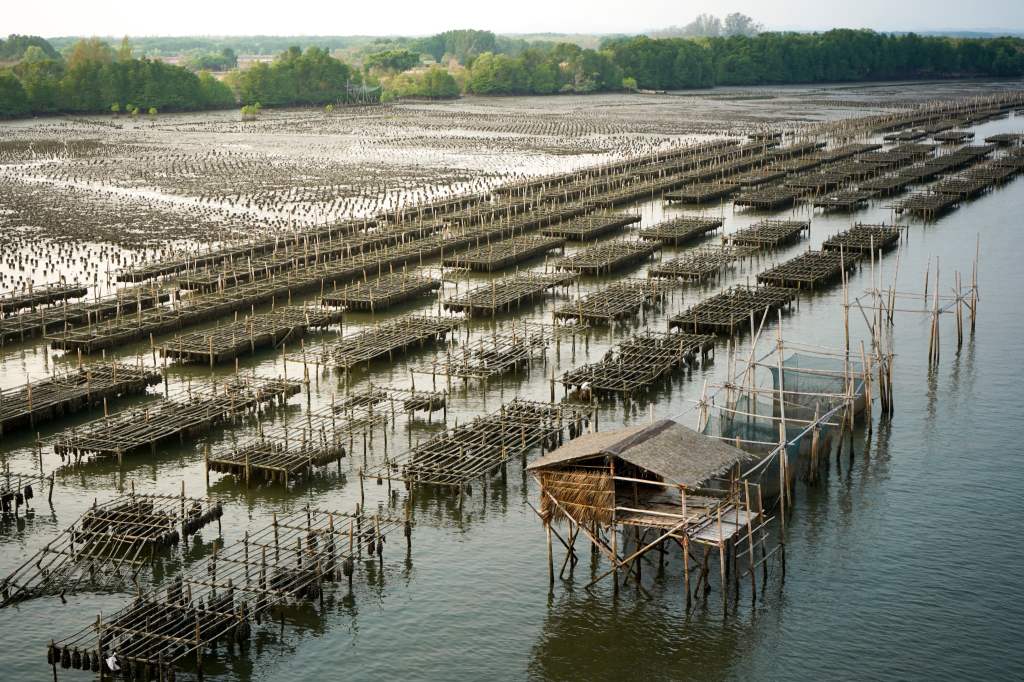
Bivalve aquaculture in Thailand represents a promising avenue for achieving food security, economic development, and environmental conservation.
 AQUADAPT