Tag: Gender Equality and Social Inclusion
-
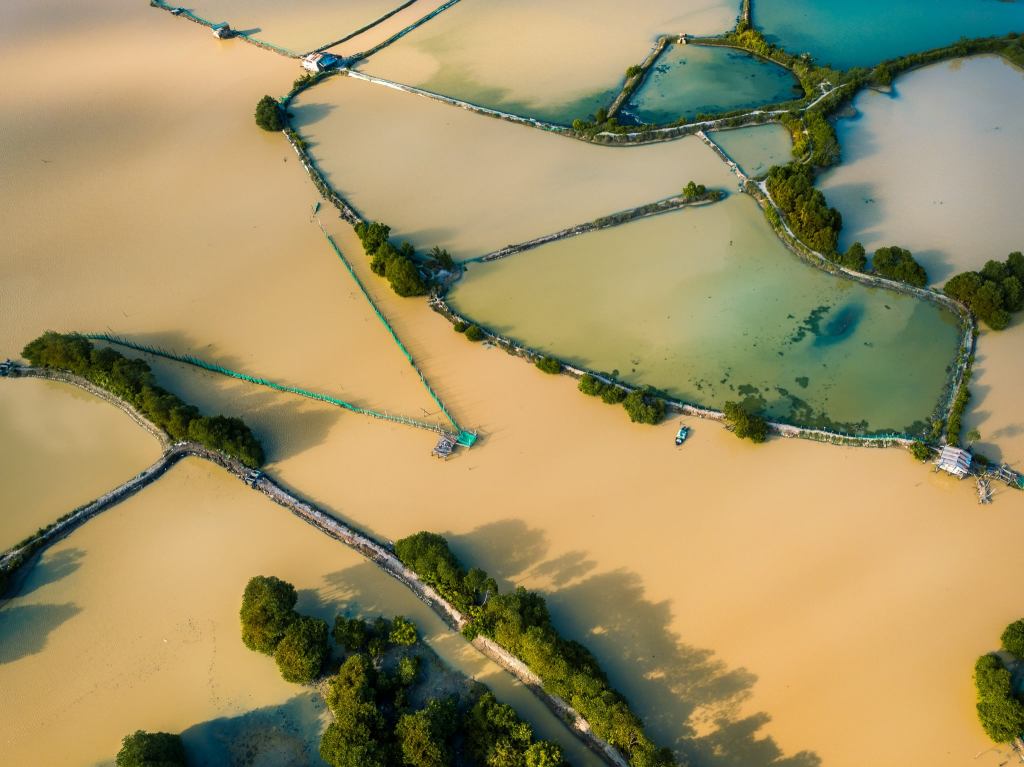
Invisible Hands in the Water: Women’s Roles in the Small-Scale Aquaculture of the Mekong Delta
The nature-based aquaculture systems of the Delta have survived centuries of flood, drought, and market upheaval in no small part because of the accumulated ecological knowledge of those who tend the systems; and the greater part of that wisdom has flowed through the hands of women.
-
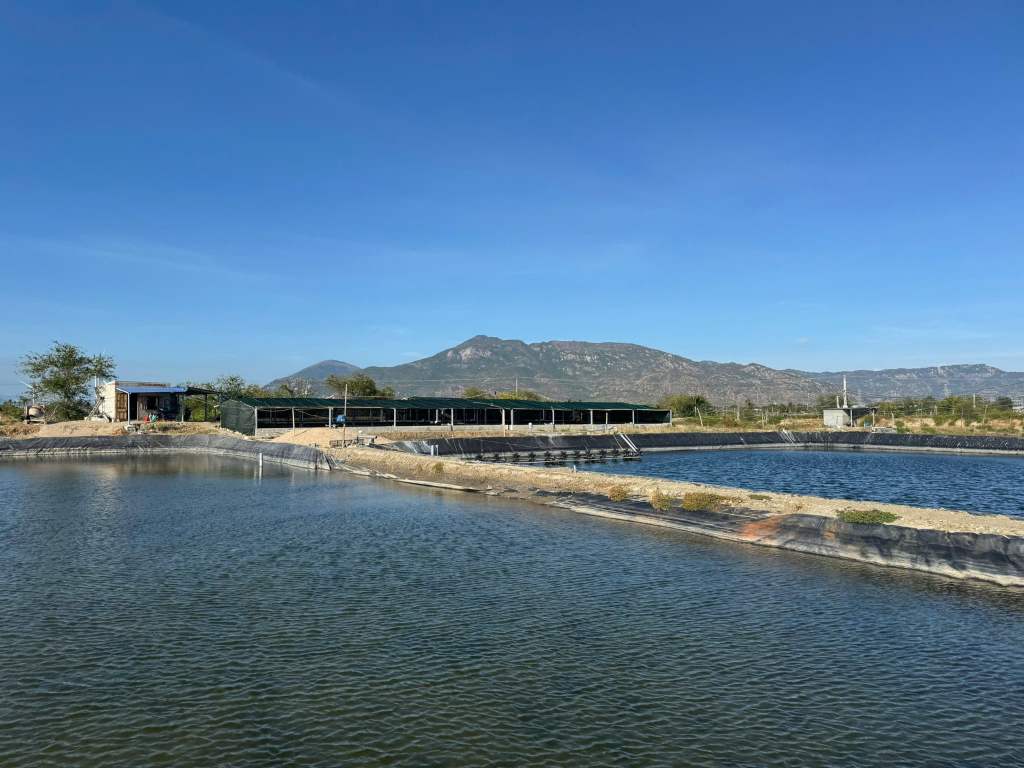
Invisible Ripples: Small-Scale Aquaculture Ponds Through a Gender Lens
They manage the money, they monitor the water levels and they guard the ponds. Yet in many aquaculture households, women are rarely recognized as the primary breadwinners. Behind assets worth billions of VND are grandmothers, mothers and wives labelled “homemakers”, with little say over the property they helped build.
-
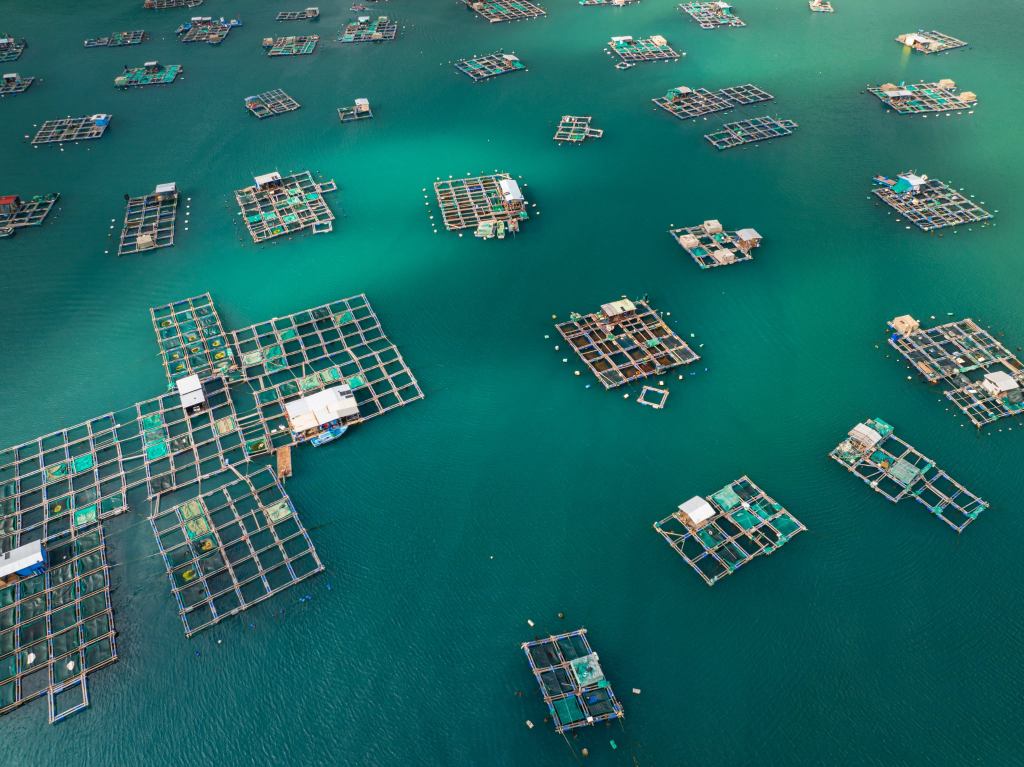
Aquaculture as a Nature-based Solution (NbS) for the Advancement of Gender Equity and Sustainable Development in the Lower Mekong Countries
Studies consistently show that gender-inclusive participation enhances productivity, as households which practice equitable management achieve higher yields and improved efficiency. Addressing gendered inequities is therefore not only a matter of social justice but also a pathway to stronger economic outcomes and sectoral resilience.
-
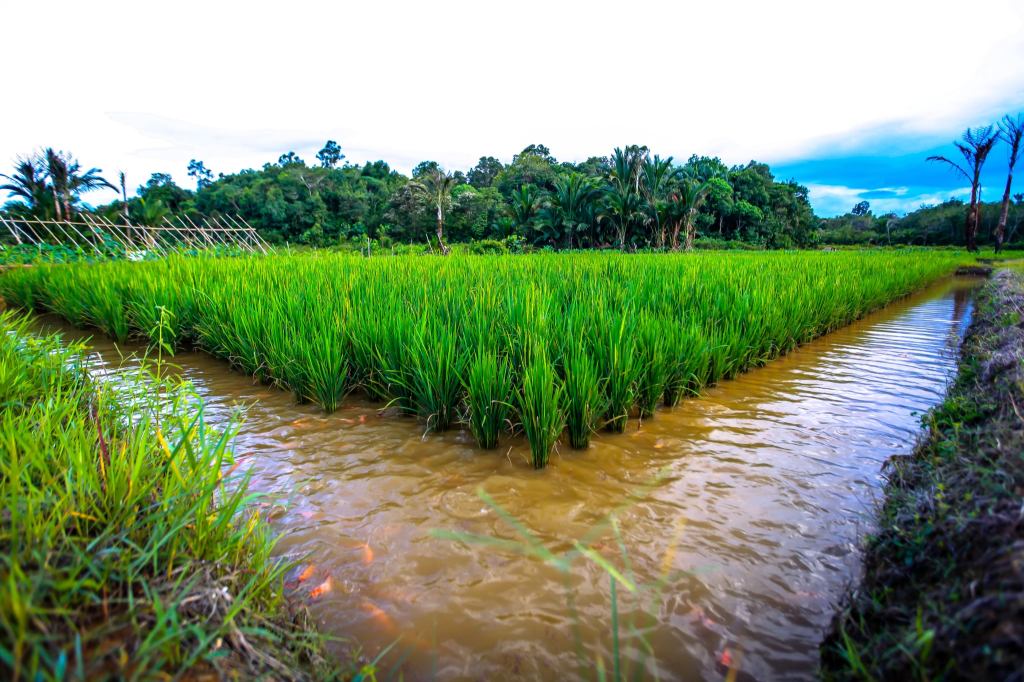
Local Knowledge and Nature-based Solutions in Thailand’s Inland Aquaculture
Local knowledge and Nature-based Solutions constitute mutually reinforcing pillars for sustainable inland aquaculture in Thailand. Traditional, place-based practices enhance ecosystem services and livelihoods, while NbS provide conceptual and technical frameworks to address contemporary challenges such as climate change, pollution, and biodiversity loss.
-
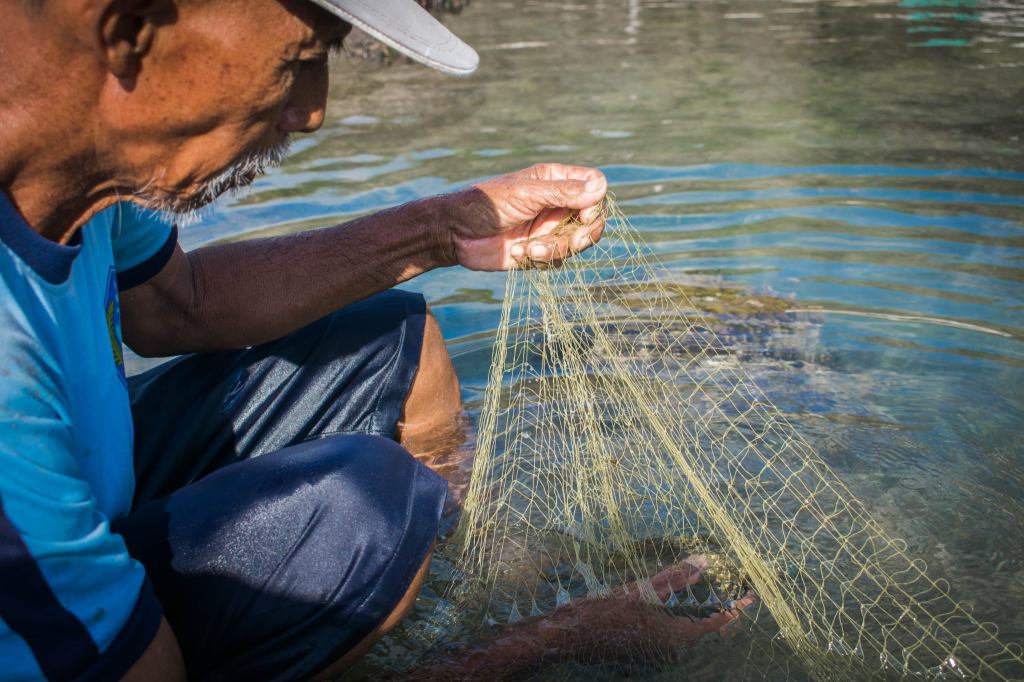
Adapting Aquaculture to an Aging Workforce: Labor-Reducing Nature-based Solutions
NbS can play a crucial role in promoting elderly inclusion in aquaculture by reducing labor intensity and aligning production systems. Rather than viewing population aging as a barrier to sustainability, labor-reducing NbS offer a pathway to enable older farmers to remain productively engaged in aquaculture with dignity, autonomy, and reduced physical strain.
 AQUADAPT