Category: Environmentally Friendly Aquaculture
-
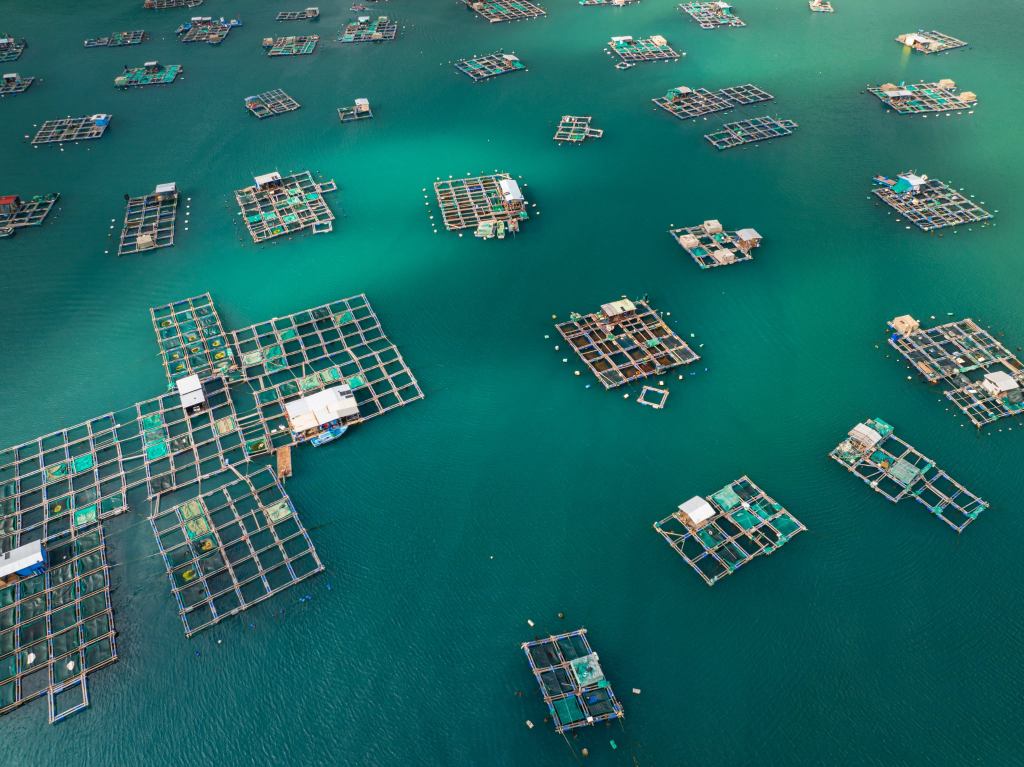
Aquaculture as a Nature-based Solution (NbS) for the Advancement of Gender Equity and Sustainable Development in the Lower Mekong Countries
Studies consistently show that gender-inclusive participation enhances productivity, as households which practice equitable management achieve higher yields and improved efficiency. Addressing gendered inequities is therefore not only a matter of social justice but also a pathway to stronger economic outcomes and sectoral resilience.
-
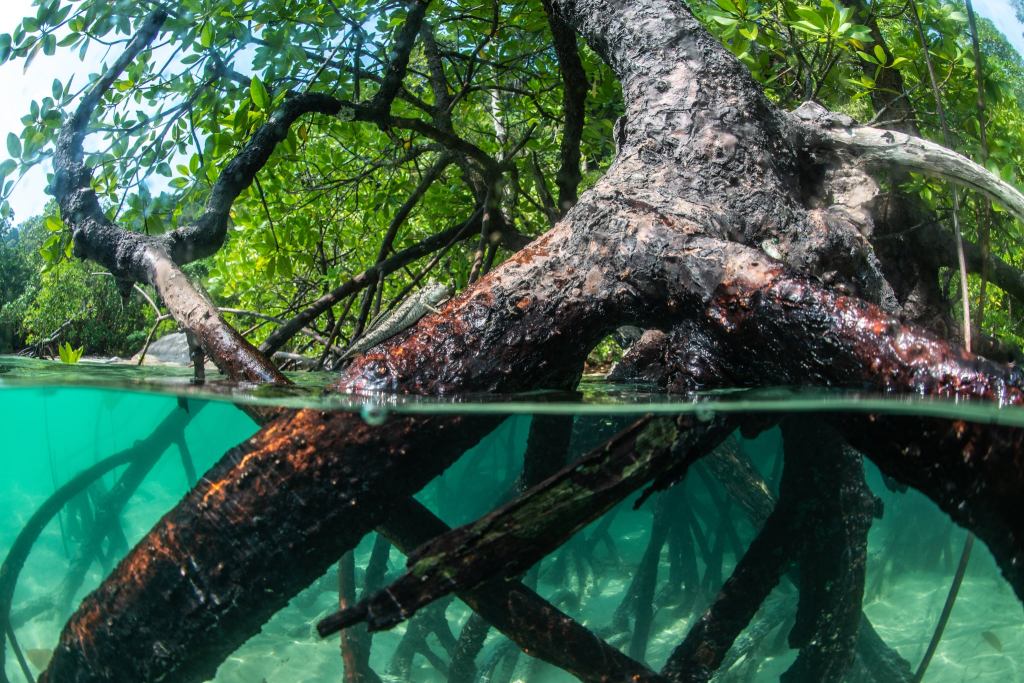
How Mangrove Forest Play a Vital Role in Cambodia’s Aquaculture
Mangroves are indispensable for Cambodian aquaculture, delivering ecological, protective, and economic benefits that underpin sustainability. Their decline due to destructive practices imperils food security and livelihoods, but mangrove-friendly innovations and policies offer a path forward.
-
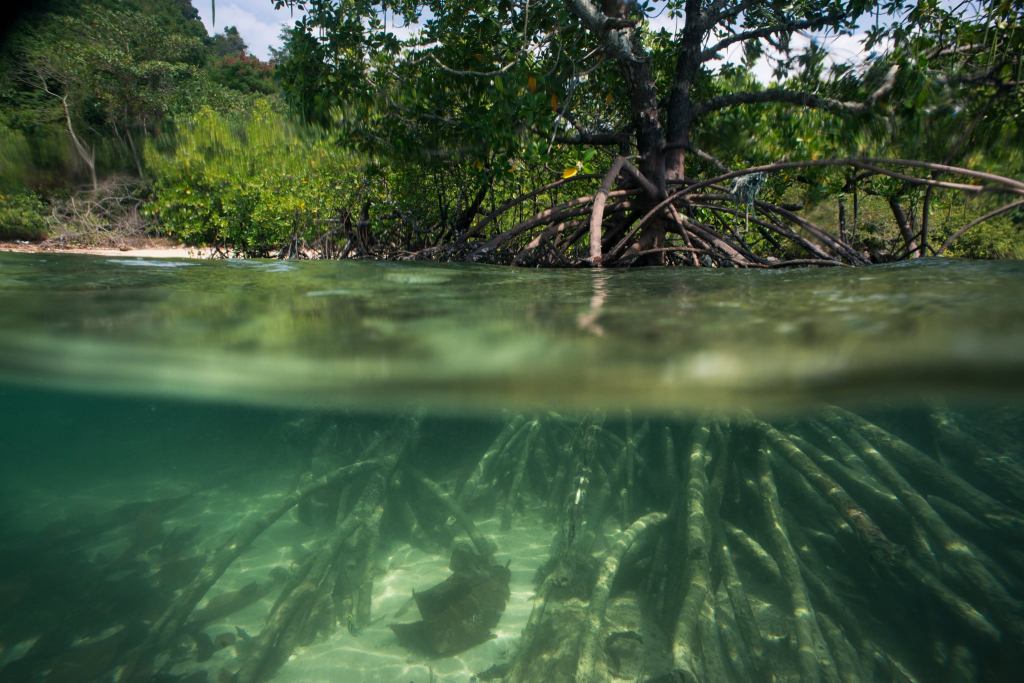
Live Fish House: Integrating Local Knowledge and Nature-Based Solutions
The “Live Fish House” model demonstrates that integrating local knowledge with Nature-based Solutions can generate synergistic outcomes for aquatic ecosystem restoration, livelihood enhancement, and sustainable fish production. By functioning as a habitat-based, culture-based fishery system, the model enhances natural recruitment, increases carrying capacity, and supports fish stock recovery without reliance on intensive aquaculture inputs.
-
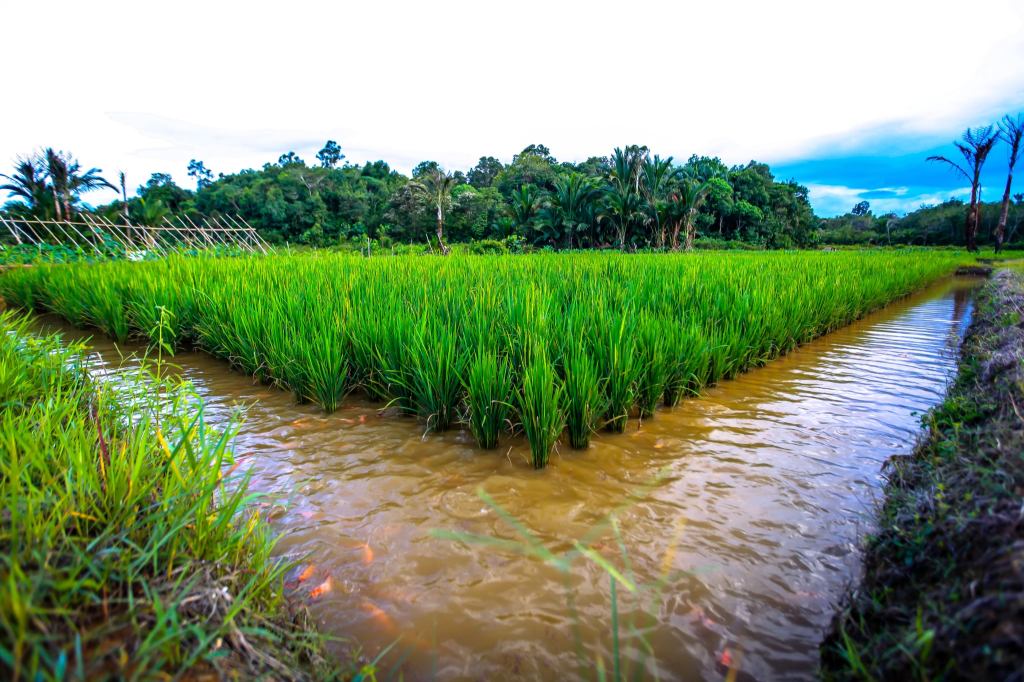
Local Knowledge and Nature-based Solutions in Thailand’s Inland Aquaculture
Local knowledge and Nature-based Solutions constitute mutually reinforcing pillars for sustainable inland aquaculture in Thailand. Traditional, place-based practices enhance ecosystem services and livelihoods, while NbS provide conceptual and technical frameworks to address contemporary challenges such as climate change, pollution, and biodiversity loss.
-
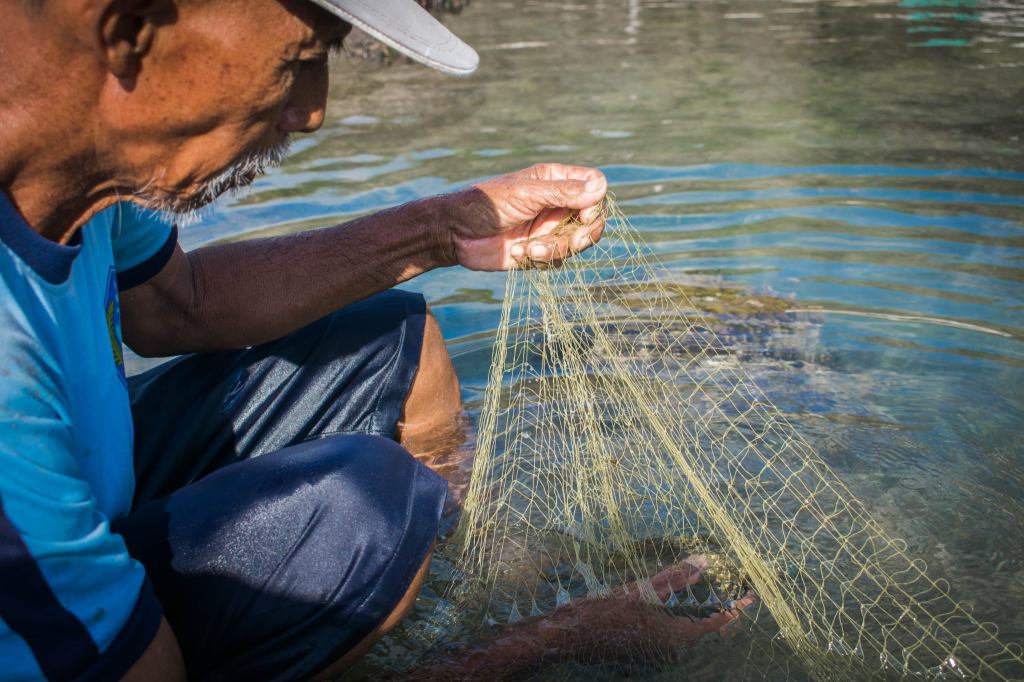
Adapting Aquaculture to an Aging Workforce: Labor-Reducing Nature-based Solutions
NbS can play a crucial role in promoting elderly inclusion in aquaculture by reducing labor intensity and aligning production systems. Rather than viewing population aging as a barrier to sustainability, labor-reducing NbS offer a pathway to enable older farmers to remain productively engaged in aquaculture with dignity, autonomy, and reduced physical strain.
 AQUADAPT