Category: Environmentally Friendly Aquaculture
-
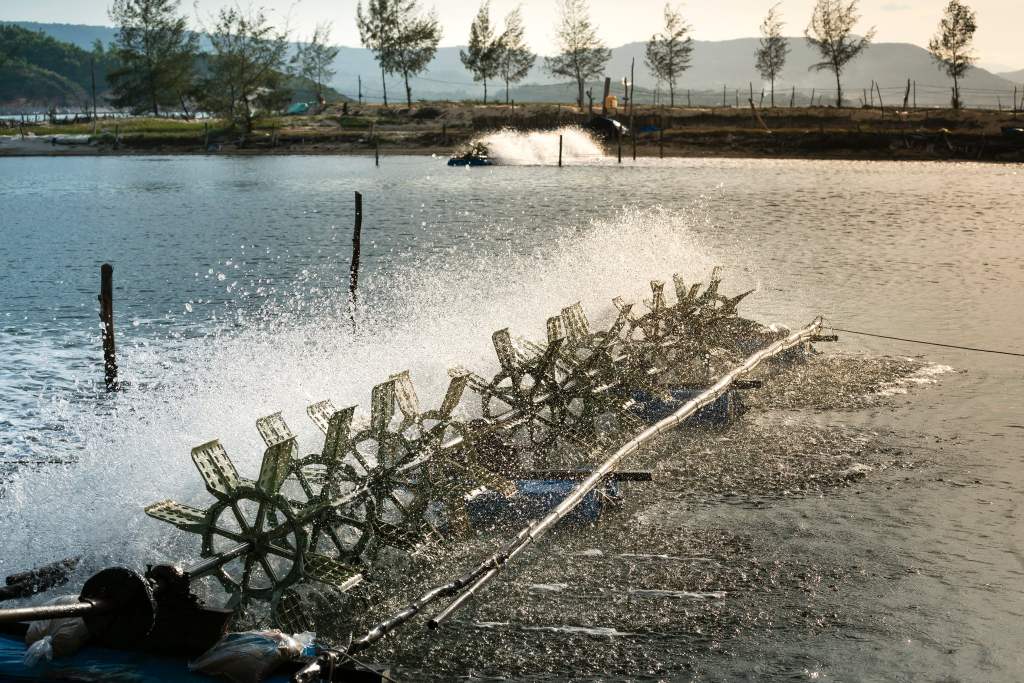
Invisible Barriers Around the Ponds: The People With Disabilities Forgotten by Vietnam’s Aquaculture Industry
People with disabilities remain almost absent from Vietnam’s aquaculture development strategies, even as nature-based models open new doors for inclusion and sustainable livelihoods.
-
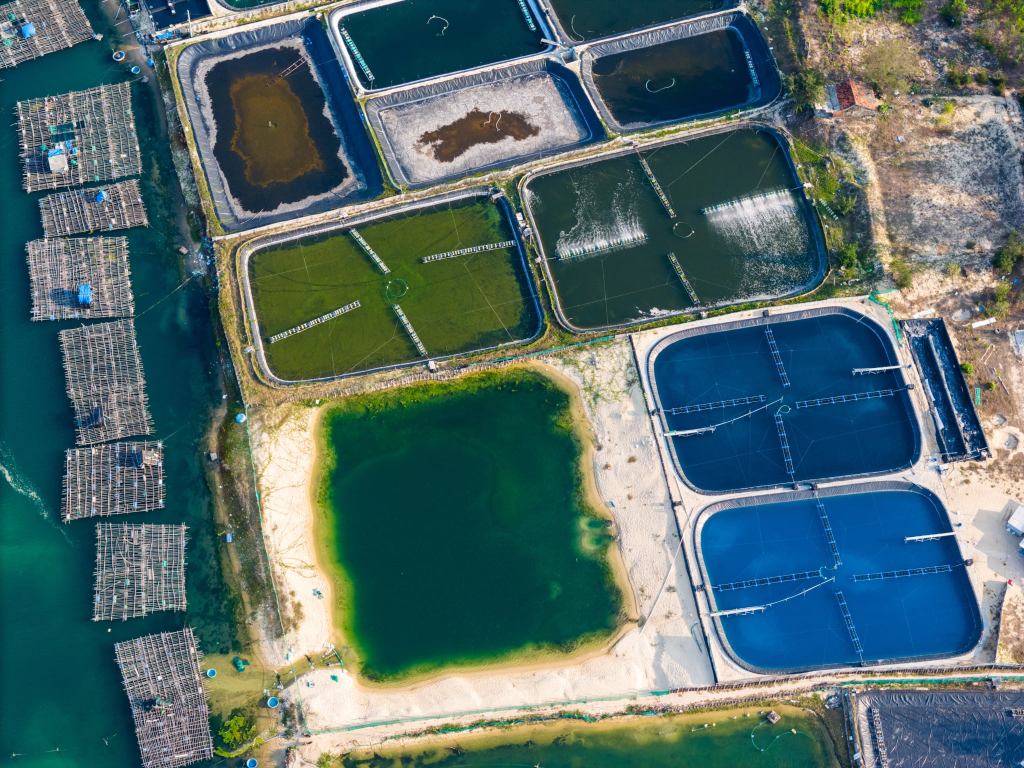
When “Gender-Balanced” Data Still Misses Women in Aquaculture
The woman who monitors the water at 5am and negotiates with the trader at harvest does not disappear just because the survey did not ask about her. She keeps the operation running. She just does not show up in the analysis.
-
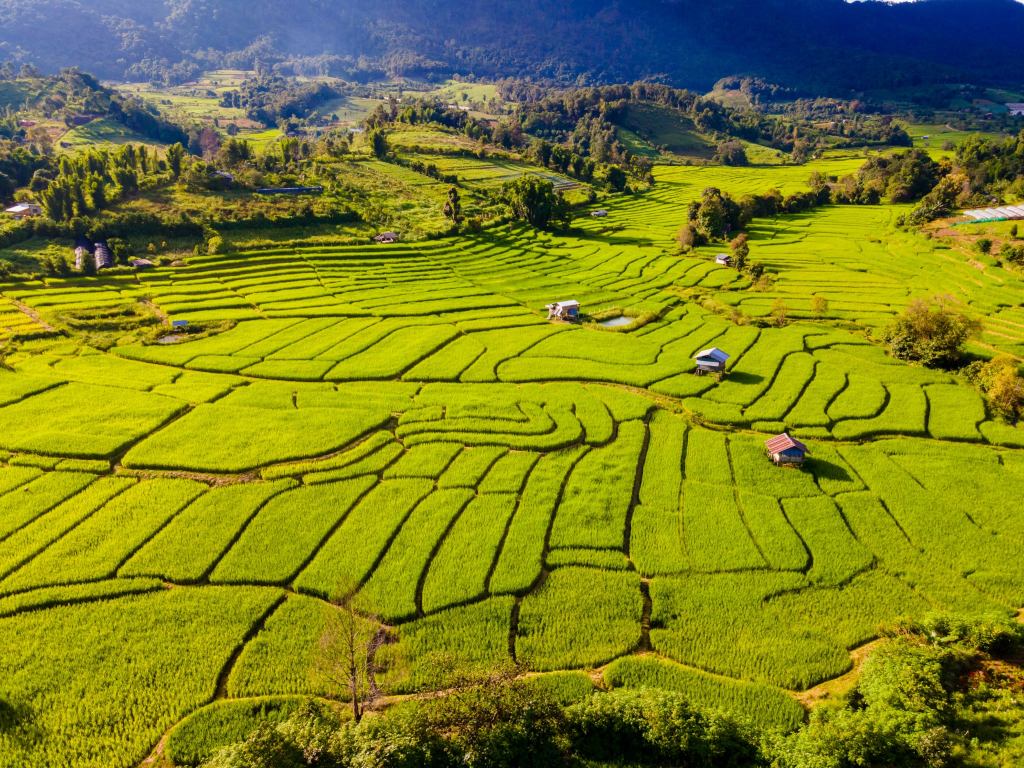
A Fish-Centered Organic Farming System Driving Sustainability in Tungtom, Chiang Rai
The Tungtom experience suggests that sustainable development is most effective when it is rooted in local contexts and driven by community participation. By placing fish at the center of an integrated system, the community has created a model that is not only productive but also adaptive and resilient.
-
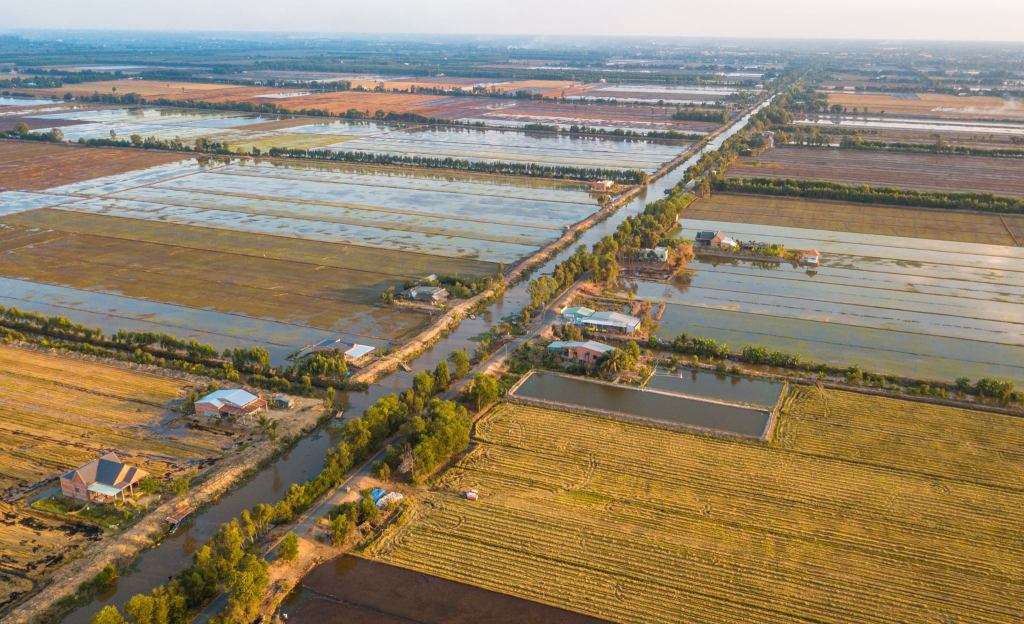
When Nature Becomes the Teacher: Lessons From Rice-Shrimp Aquaculture in the Mekong Delta
In a Mekong Delta that is changing rapidly and unpredictably, adaptive capacity does not come from better control of nature, but from the ability to live with change through flexible, equitable, and self-adjusting relationships.
-
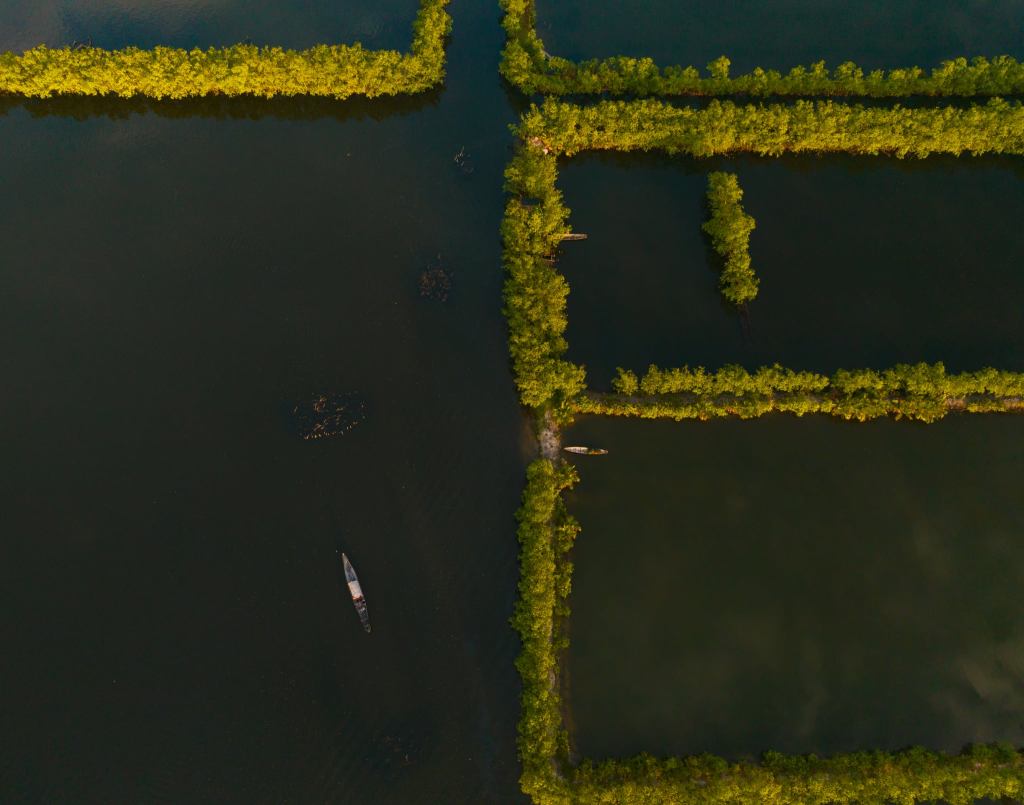
Rethinking the Living Income in Vietnam’s Mangrove-Shrimp Aquaculture
Existing research largely demonstrates that mangrove-shrimp farming can generate income, yet it rarely evaluates whether these earnings are sufficient, stable, and resilient enough to ensure a decent standard of living over time.

