Category: Nature-based Tools and Guides
-
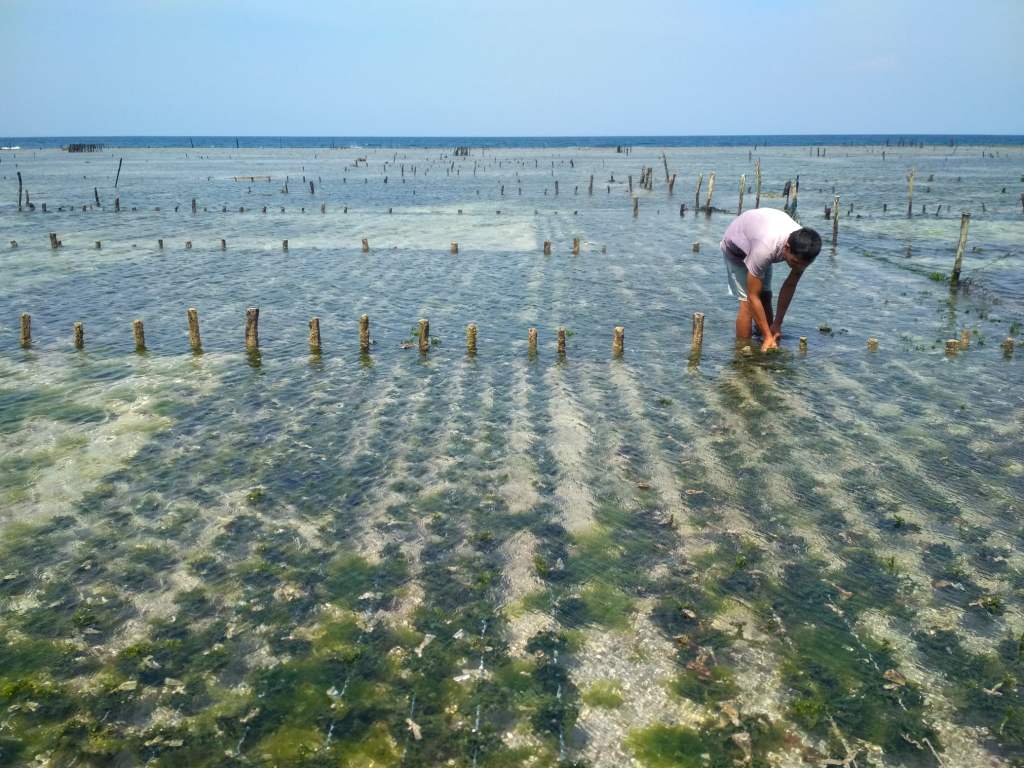
Ulva Cultivation and Carbon Sequestration in Southeast Asia
Ulva cultivation has great potential as an aquaculture-based climate solution. It can improve coastal livelihoods, enhance food security, and build circular economies. For Southeast Asia in particular, the opportunity to lead in algal decarbonization could position the region as both a climate nature-based innovator and economic beneficiary.
-
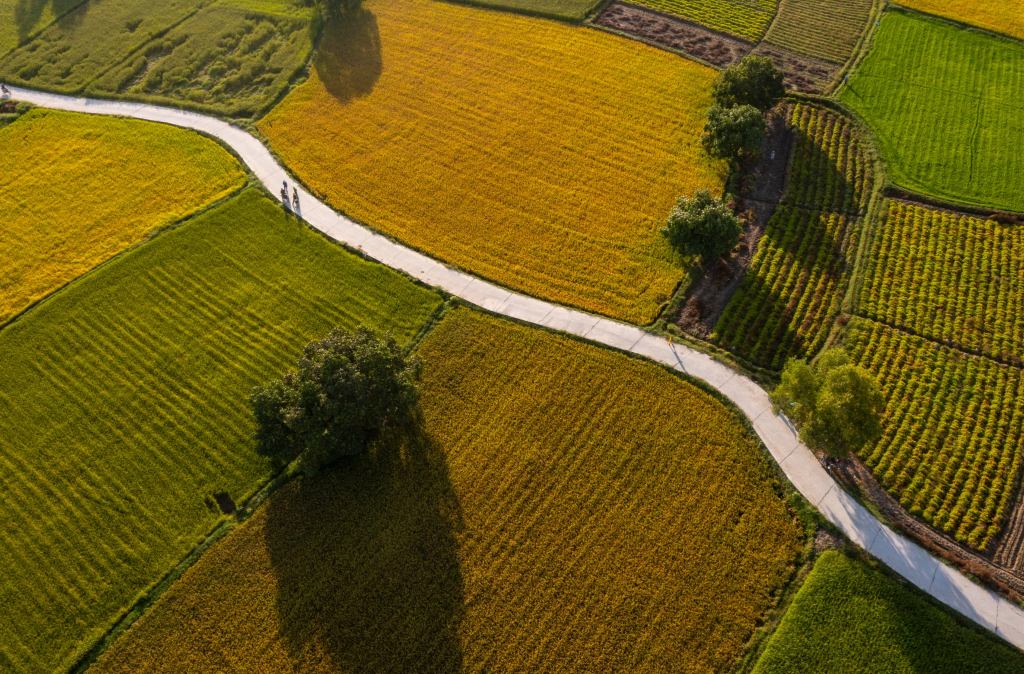
Enhancing the Sustainability of the Rice-Shrimp Farming System in Vietnam’s Mekong Delta
The rice-shrimp farming system presents a viable solution to the growing climate change complexities facing Vietnam’s Mekong Delta (VMD) through rotating rice and shrimp crops during the dry and rainy seasons and by taking advantage of each crop’s leftovers to produce organic products.
-

Application of Life Cycle Assessment (LCA) to the Aquaculture of the Mekong Delta
LCA can be used in aquaculture, to quantify environmental impacts (e.g. global warming, eutrophication) and identify environmental “hot spots” (key processes or activities that contribute most significantly to the overall environmental impacts).
-

Biochar in Aquaculture: Its Eco-Friendly and Functional Benefits
Biochar is a sustainable and practical solution for addressing challenges in aquaculture. It can help stabilize water conditions, support microbial balance, and promote better growth and health of aquatic species.
-
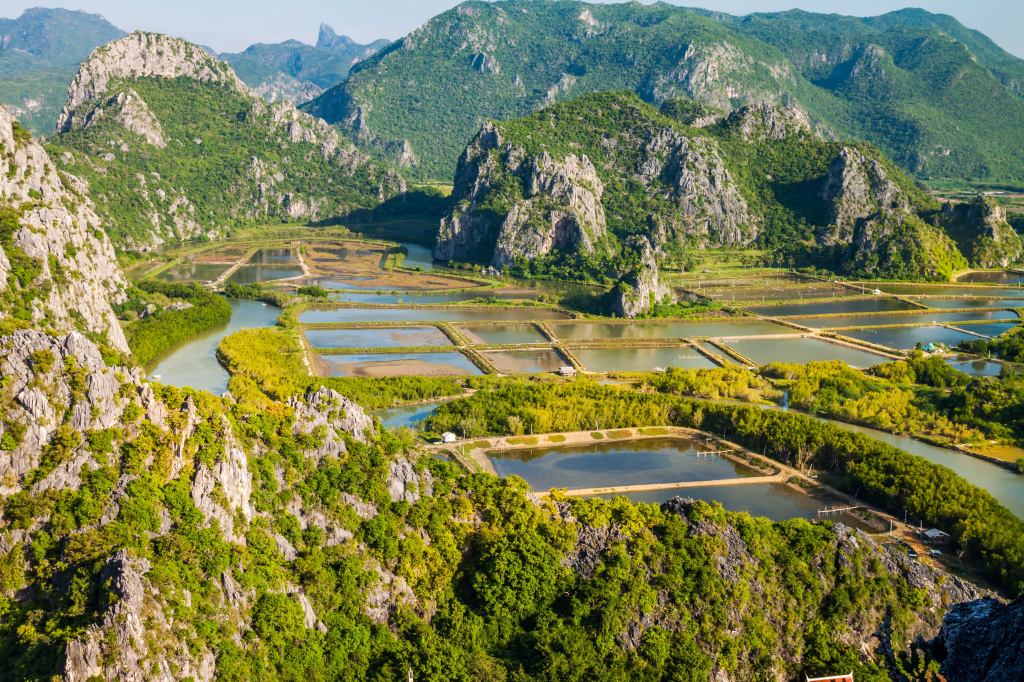
Nature-based Aquaculture Practices for Sustainability
Nature-based aquaculture emerges as a viable aquaculture method that can increase profitability, satisfy the demands of modern consumers, and preserve the delicate balance of natural ecosystems.

