Category: Gender Equality and Social Inclusion
-
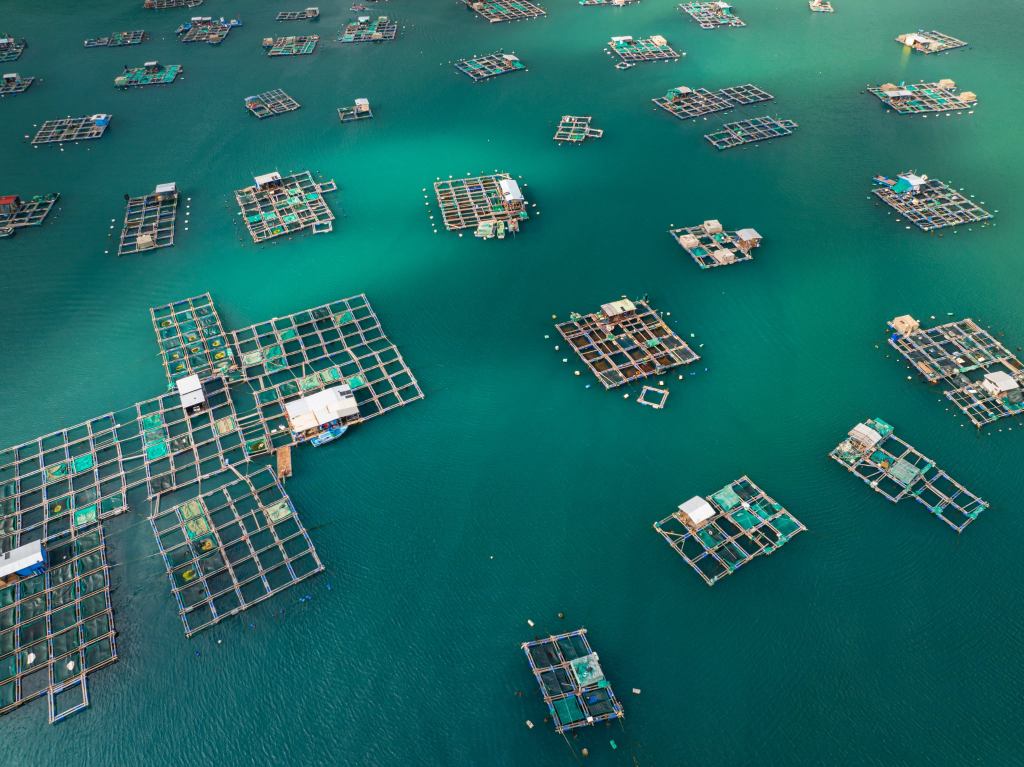
Aquaculture as a Nature-based Solution (NbS) for the Advancement of Gender Equity and Sustainable Development in the Lower Mekong Countries
Studies consistently show that gender-inclusive participation enhances productivity, as households which practice equitable management achieve higher yields and improved efficiency. Addressing gendered inequities is therefore not only a matter of social justice but also a pathway to stronger economic outcomes and sectoral resilience.
-
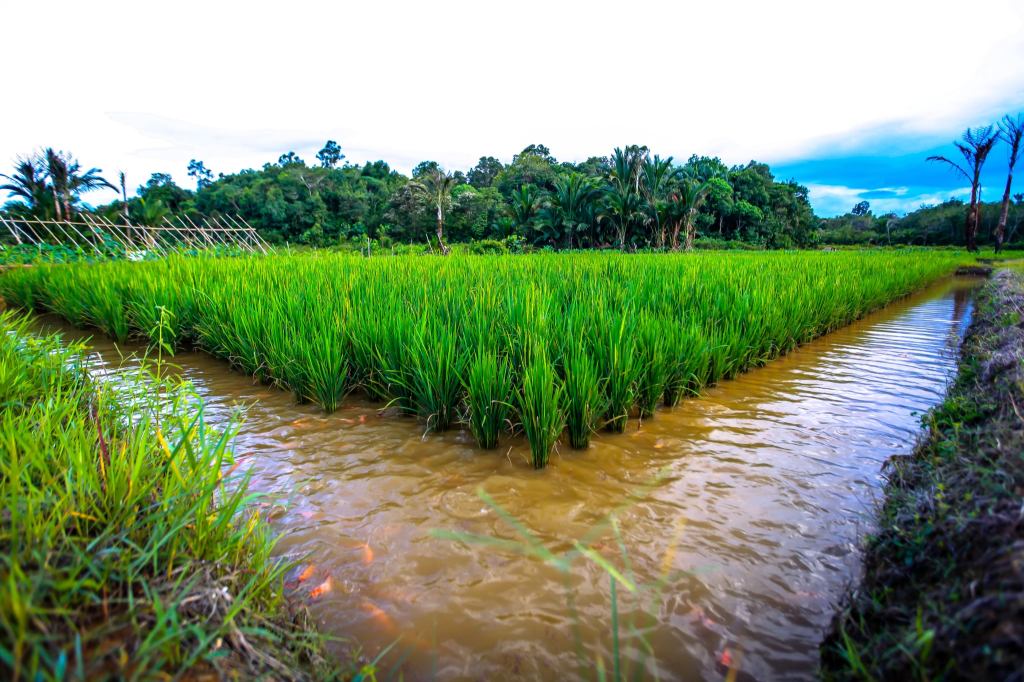
Local Knowledge and Nature-based Solutions in Thailand’s Inland Aquaculture
Local knowledge and Nature-based Solutions constitute mutually reinforcing pillars for sustainable inland aquaculture in Thailand. Traditional, place-based practices enhance ecosystem services and livelihoods, while NbS provide conceptual and technical frameworks to address contemporary challenges such as climate change, pollution, and biodiversity loss.
-
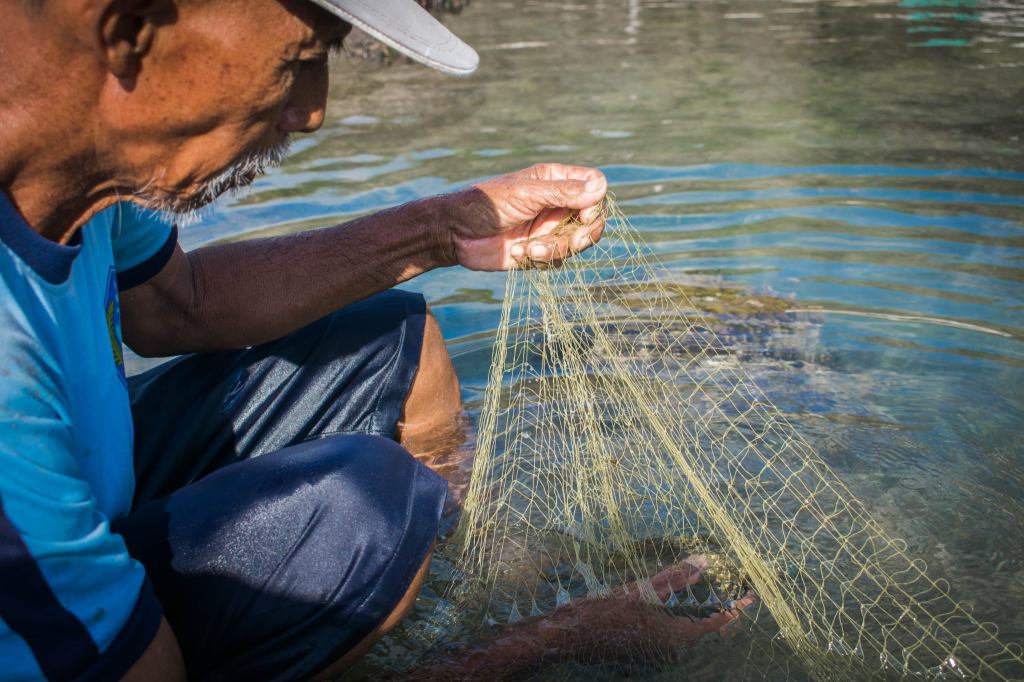
Adapting Aquaculture to an Aging Workforce: Labor-Reducing Nature-based Solutions
NbS can play a crucial role in promoting elderly inclusion in aquaculture by reducing labor intensity and aligning production systems. Rather than viewing population aging as a barrier to sustainability, labor-reducing NbS offer a pathway to enable older farmers to remain productively engaged in aquaculture with dignity, autonomy, and reduced physical strain.
-
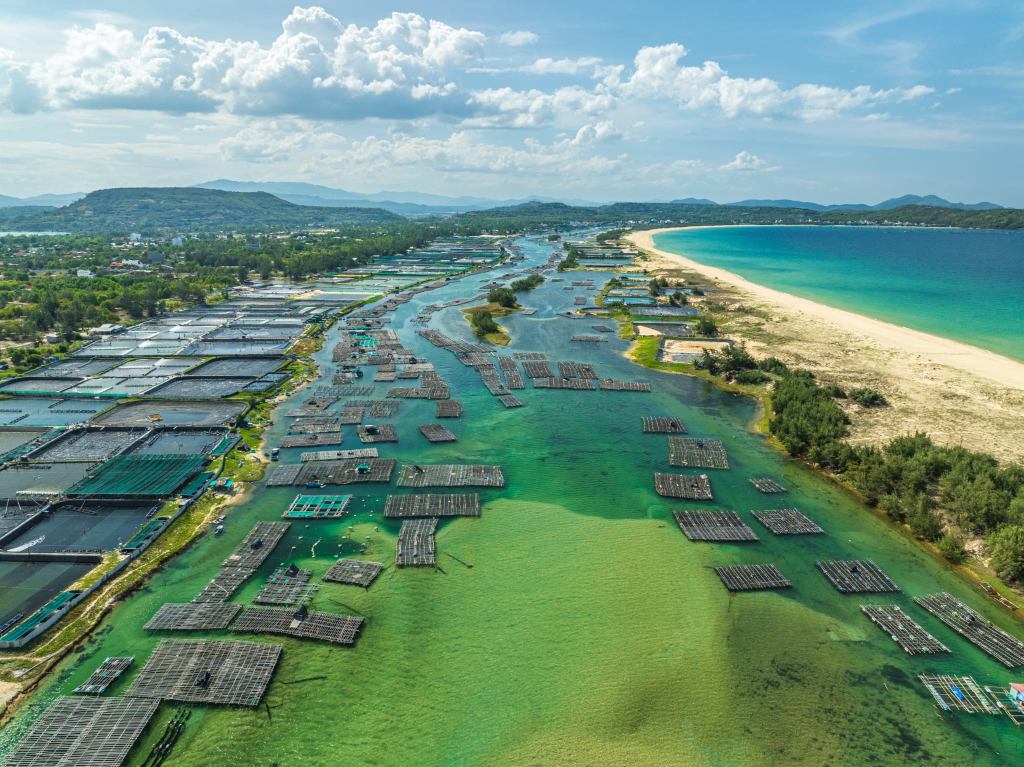
Disability Inclusion in Vietnam’s Aquaculture
Positioning persons with disabilities as active contributors within nature-based aquaculture systems allows Vietnam to mobilize underutilized local knowledge, reinforce community stewardship, and ensure that the transition toward sustainable aquaculture genuinely leaves no one behind.
-

Muslim Women and Blue Crab Bank Conservation in Southern Thailand
Men and women worked together to found in 2010 the Blue Crab Bank, a Nature-based Solution (NbS), that bred and released egg-bearing crabs to restore the sea’s fertility. Women took central roles in this transition.

