Category: Gender Equality and Social Inclusion
-
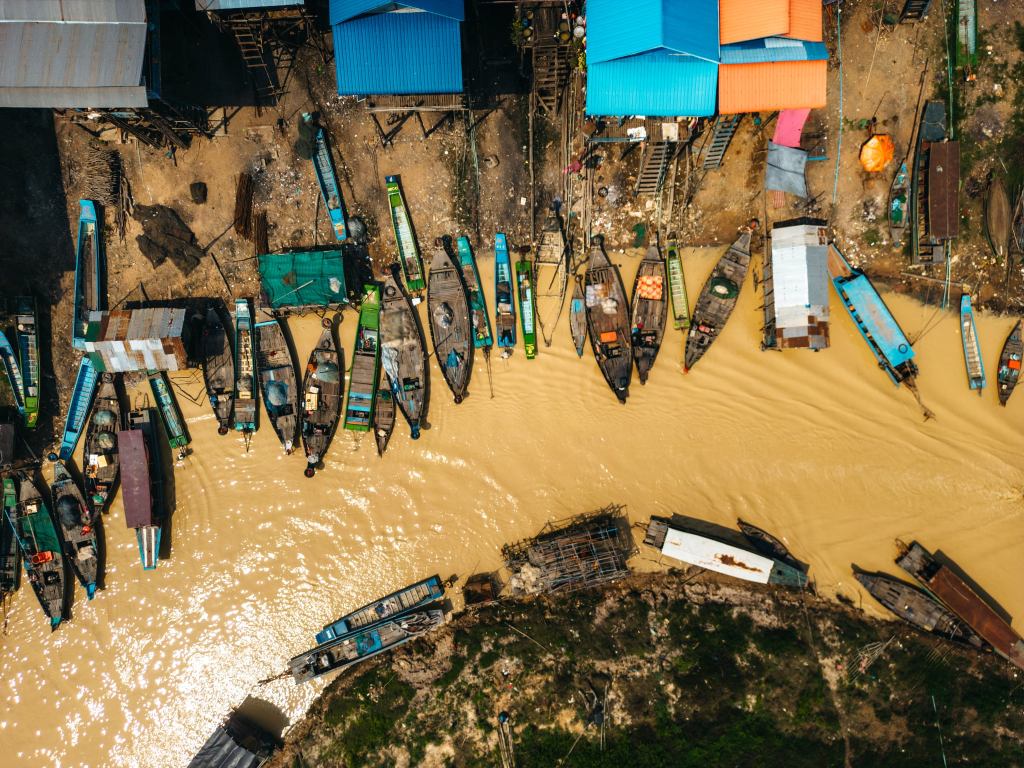
Nature-based Solutions and Aquaculture in Stung Treng Province, Cambodia
The transition toward Nature-based Solutions in Stung Treng Province represents an important pathway to strengthened resilience within the Lower Mekong Basin. Faced with increasing climate variability, water insecurity, and ecological degradation, local communities have developed innovative adaptation strategies that integrate aquaculture, ecosystem restoration, community conservation, and sustainable livelihoods.
-
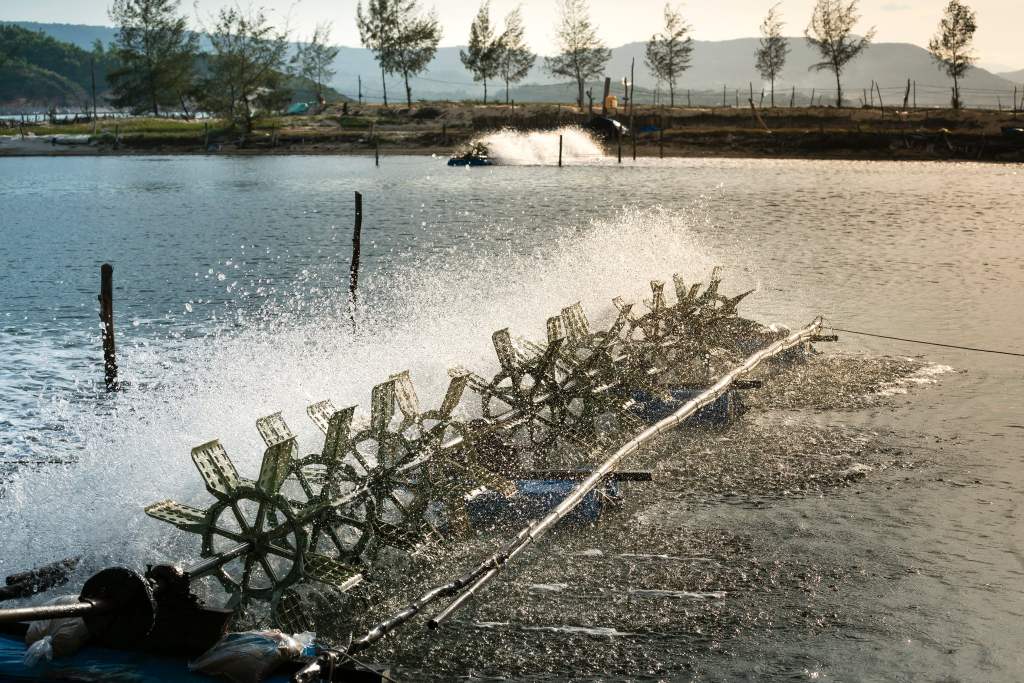
Invisible Barriers Around the Ponds: The People With Disabilities Forgotten by Vietnam’s Aquaculture Industry
People with disabilities remain almost absent from Vietnam’s aquaculture development strategies, even as nature-based models open new doors for inclusion and sustainable livelihoods.
-
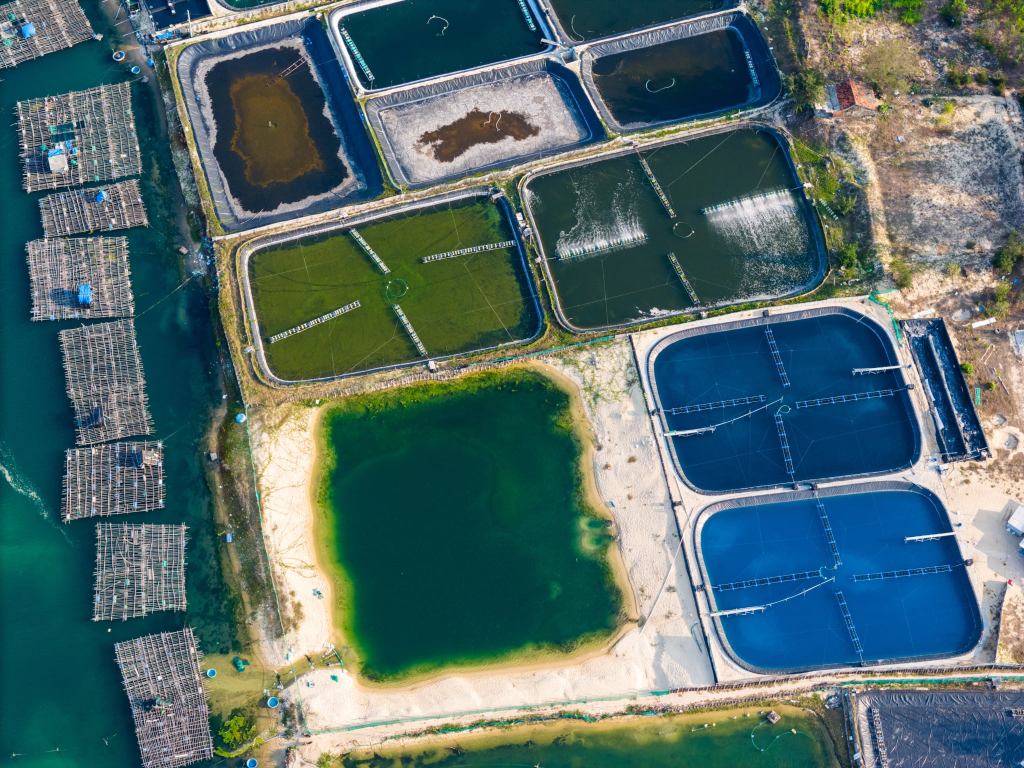
When “Gender-Balanced” Data Still Misses Women in Aquaculture
The woman who monitors the water at 5am and negotiates with the trader at harvest does not disappear just because the survey did not ask about her. She keeps the operation running. She just does not show up in the analysis.
-
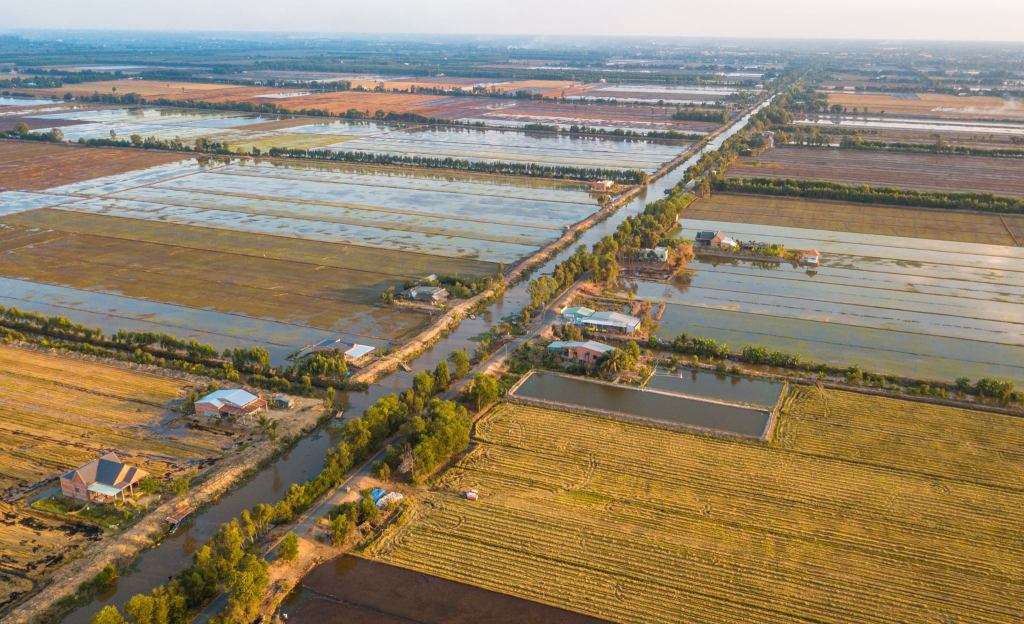
When Nature Becomes the Teacher: Lessons From Rice-Shrimp Aquaculture in the Mekong Delta
In a Mekong Delta that is changing rapidly and unpredictably, adaptive capacity does not come from better control of nature, but from the ability to live with change through flexible, equitable, and self-adjusting relationships.
-
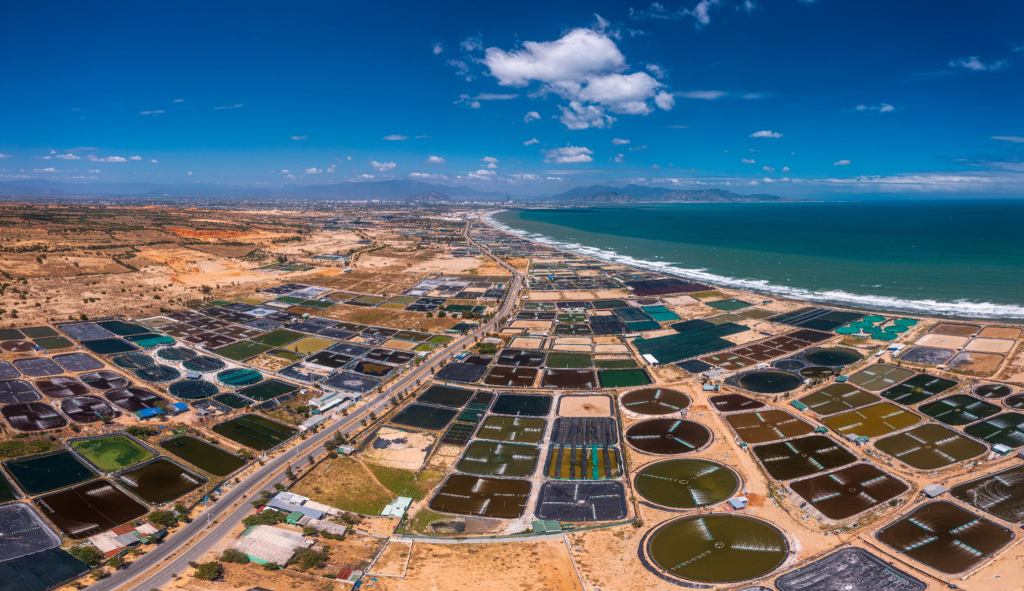
Gendered Adoption of Smart Aquaculture Technologies
The women who manage Mekong Delta ponds every day, who know by observation when water conditions are changing, and who absorb the financial shocks of disease outbreaks in their household budgets, are already doing the work that smart aquaculture is designed to support.

