Category: Gender Equality and Social Inclusion
-
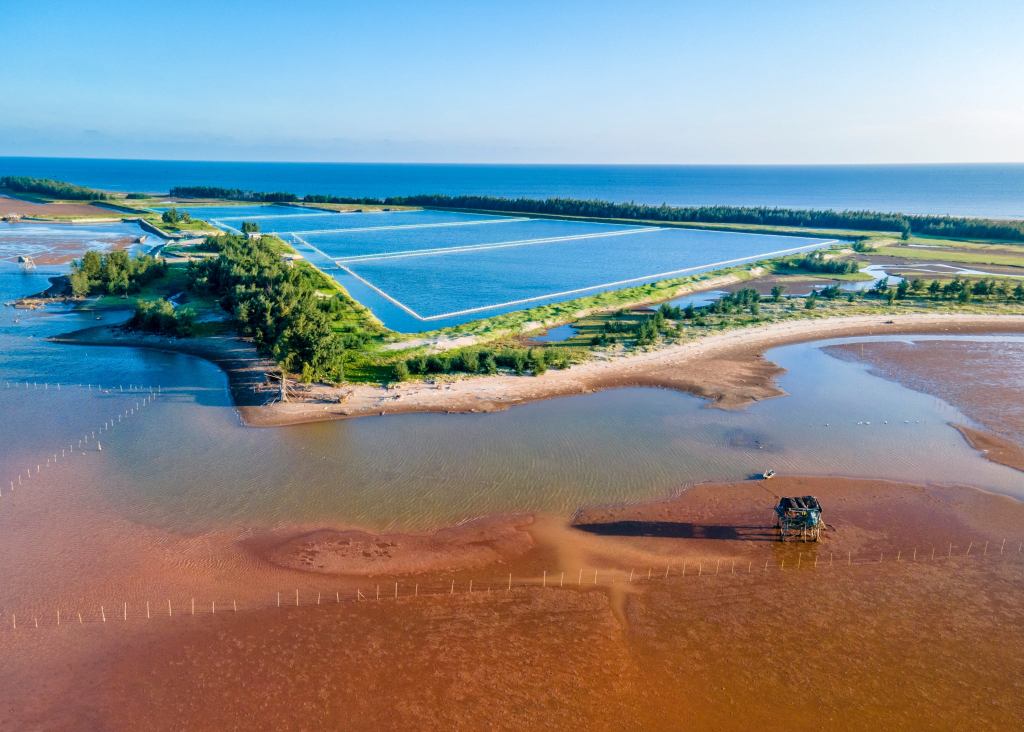
Shrimp Farming Practices and Gender Participation in the Red River Delta, Vietnam
Across all shrimp farming systems, gender roles remain clearly differentiated. Men predominantly control decision-making, investment, and technical operations, particularly in intensive farming systems. Women’s participation is largely supportive, focusing on harvesting, daily maintenance tasks, and household financial management.
-
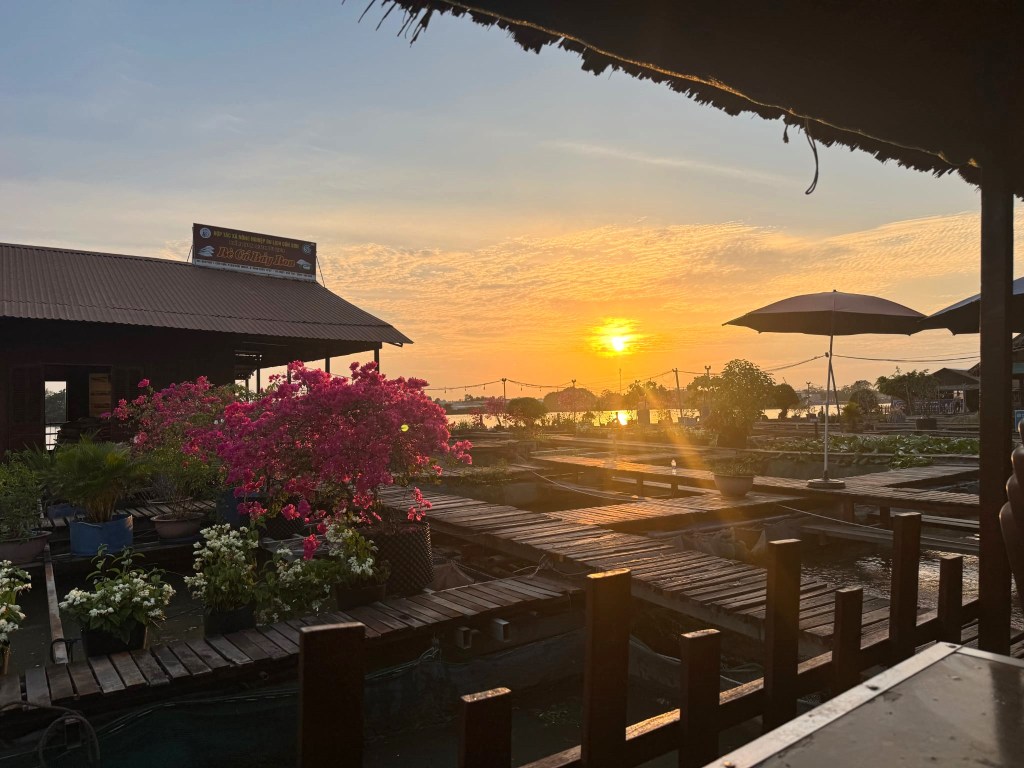
Integrating GEDSI into Aquaculture and Community Tourism: Voices of Farmers in Con Son, Vietnam Mekong Delta
The experiences of farmers in Con Son demonstrate that gender equality is not only a social issue but also a development opportunity. When women and marginalized groups have equal access to resources, knowledge, and decision-making processes, aquaculture systems become more productive, resilient and sustainable.
-
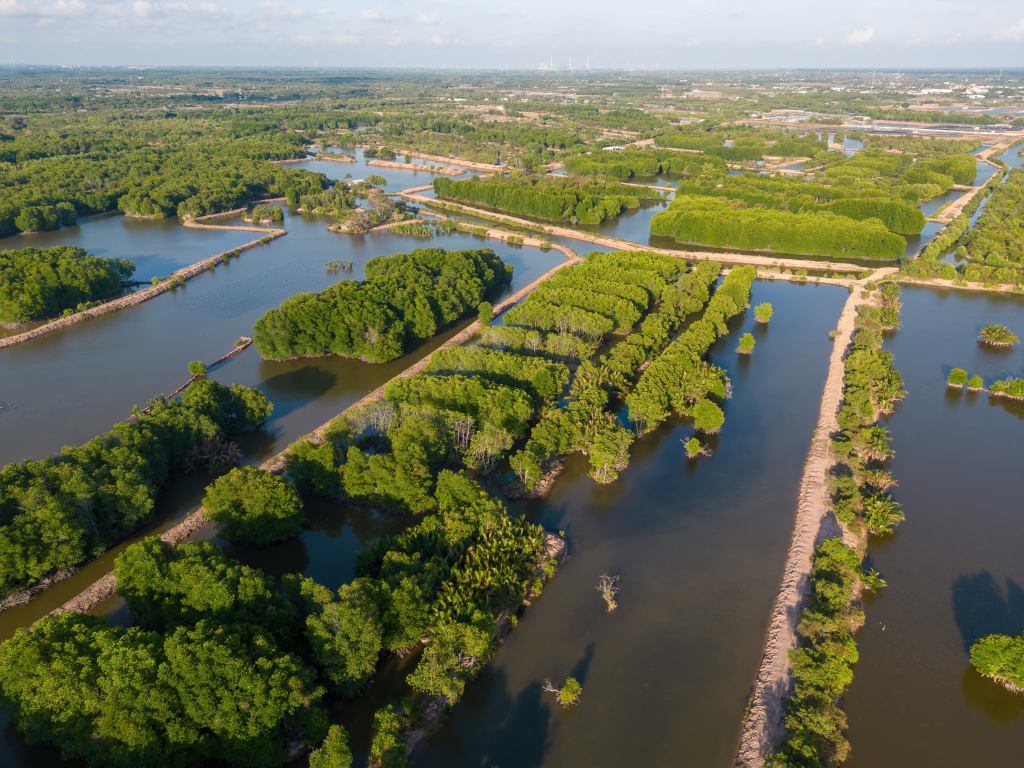
Roles, Limitations, and Opportunities for Women to Work in Cambodia’s Integrated Shrimp-Mangrove Systems
In terms of shrimp-mangrove farming in Cambodia, the existing evidence implies that women are key laborers, marketers, and household decision‑makers, but are poorly represented in formal farm, cooperative, and mangrove‑governance decisions. Designing farming systems to be equitable requires explicit inclusion of women in producer groups, co‑management institutions, training, and benefit‑sharing mechanisms.
-
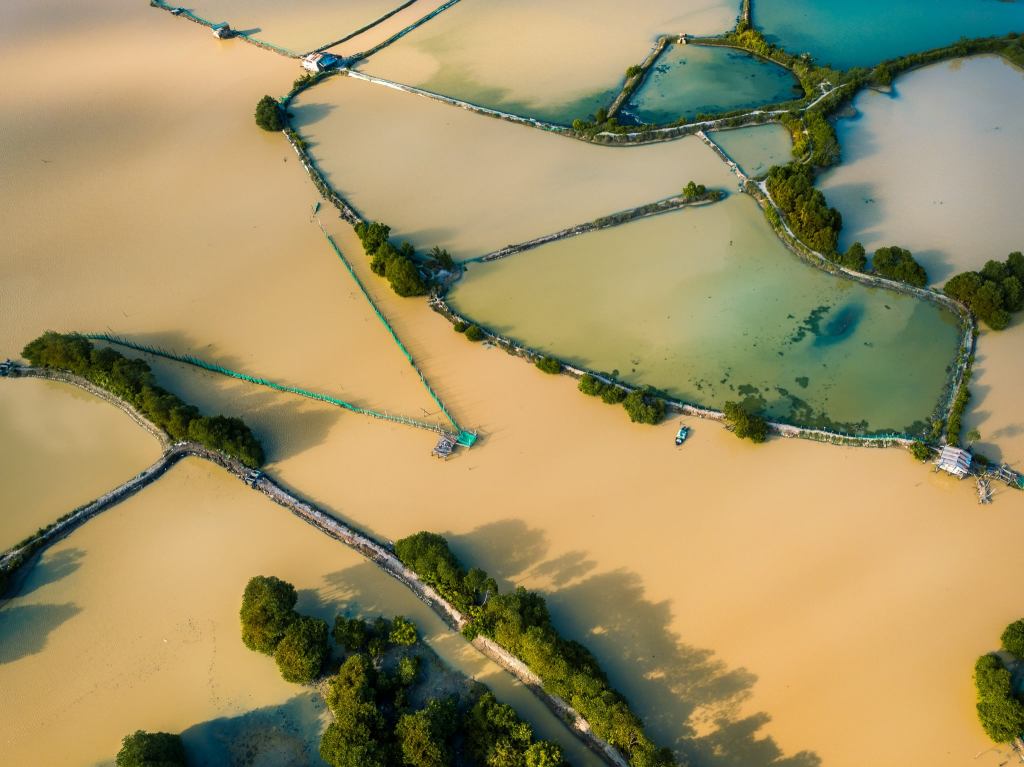
Invisible Hands in the Water: Women’s Roles in the Small-Scale Aquaculture of the Mekong Delta
The nature-based aquaculture systems of the Delta have survived centuries of flood, drought, and market upheaval in no small part because of the accumulated ecological knowledge of those who tend the systems; and the greater part of that wisdom has flowed through the hands of women.
-
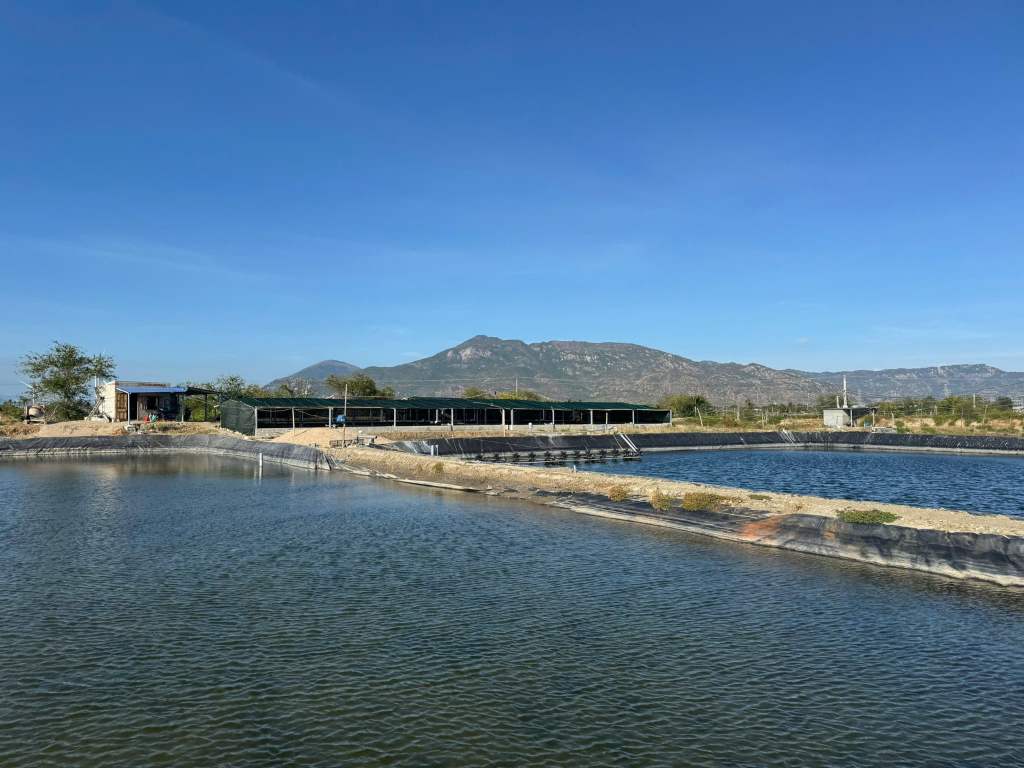
Invisible Ripples: Small-Scale Aquaculture Ponds Through a Gender Lens
They manage the money, they monitor the water levels and they guard the ponds. Yet in many aquaculture households, women are rarely recognized as the primary breadwinners. Behind assets worth billions of VND are grandmothers, mothers and wives labelled “homemakers”, with little say over the property they helped build.

