Category: Environmentally Friendly Aquaculture
-

Nature-based Solutions and Gender Equality in Aquaculture
For NbS to reach their full potential within aquaculture-dependent communities, women cannot be relegated to passive recipients of aid, nor can men be reduced to one-dimensional decision-makers. Both must be recognized as active agents and knowledge-holders, whose complementary perspectives are essential for building resilience.
-

Geographic Information Systems and Geospatial Intelligence in Aquaculture
Geospatial technologies provide a powerful suite of tools for addressing the environmental challenges of aquaculture and thus enabling more sustainable and responsible practices.
-

Recirculating Aquaculture Systems for a Carbon Neutral Aquaculture
Recirculating Aquaculture Systems (RASs) offer a compelling pathway toward achieving carbon-neutral aquaculture by maximizing resource efficiency, minimizing environmental impacts, and integrating renewable energy solutions alongside closed-loop nutrient cycling.
-
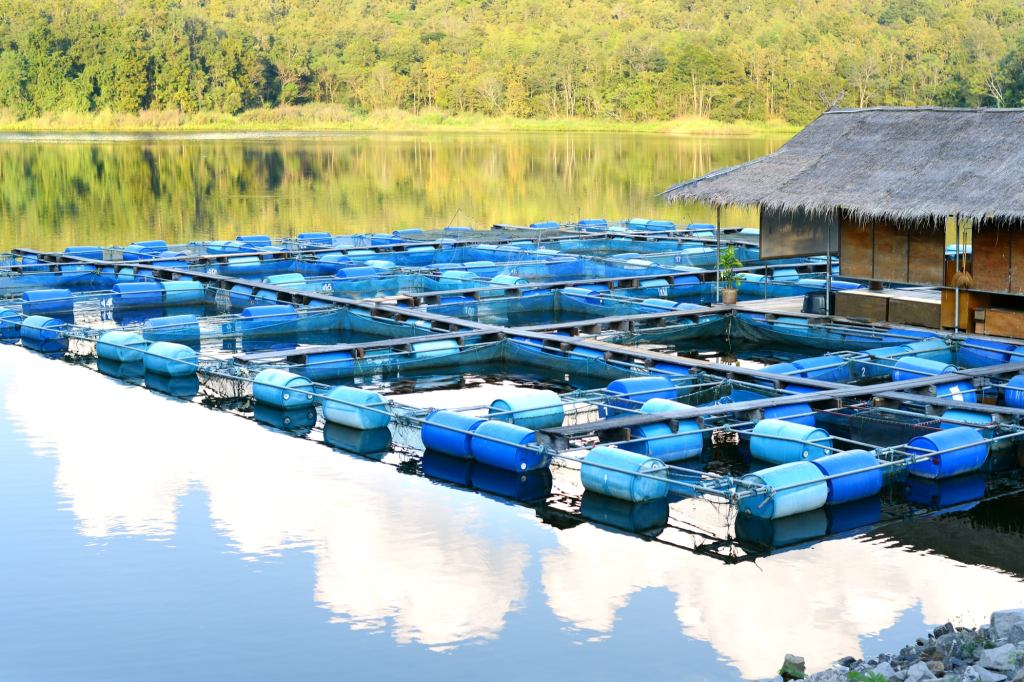
Integrating Nature-based Solutions and Social Inclusion in Southeast Asia’s Inland Cage Aquaculture
Integrating Gender Equality and Social Inclusion (GESI) into inland cage aquaculture is essential to ensure that benefits are equitably shared and that the sector contributes to sustainable development as well as to economic growth.
-
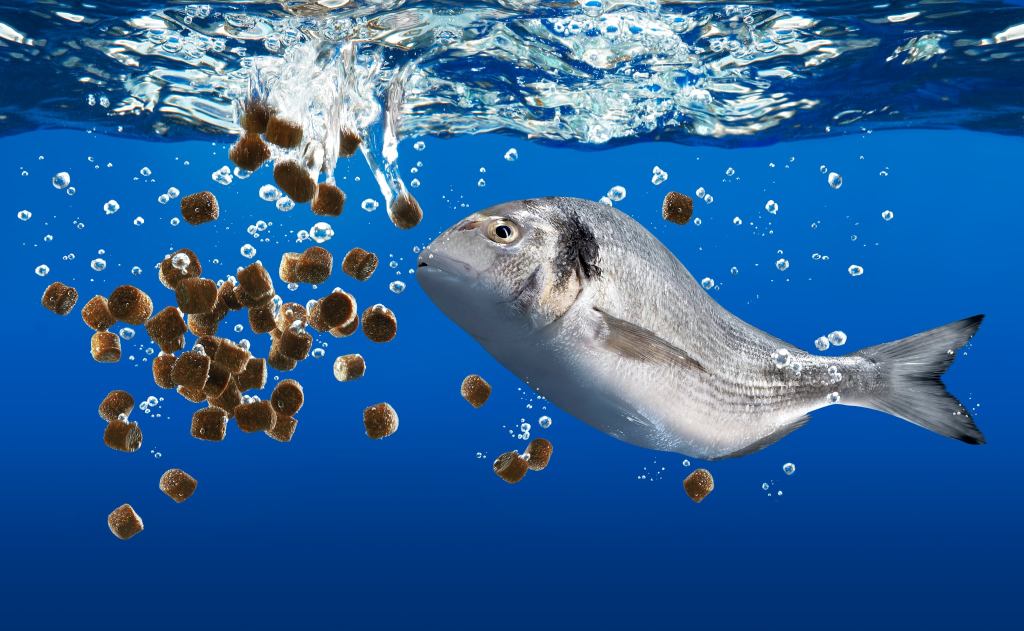
Functional Feeds: Their Benefits in Aquaculture
Functional feeds represent a transformative tool for advancing sustainable aquaculture, offering innovative solutions to the industry’s critical challenges, such as disease outbreaks, poor feed efficiency, and environmental impacts.
 AQUADAPT