Category: Environmentally Friendly Aquaculture
-
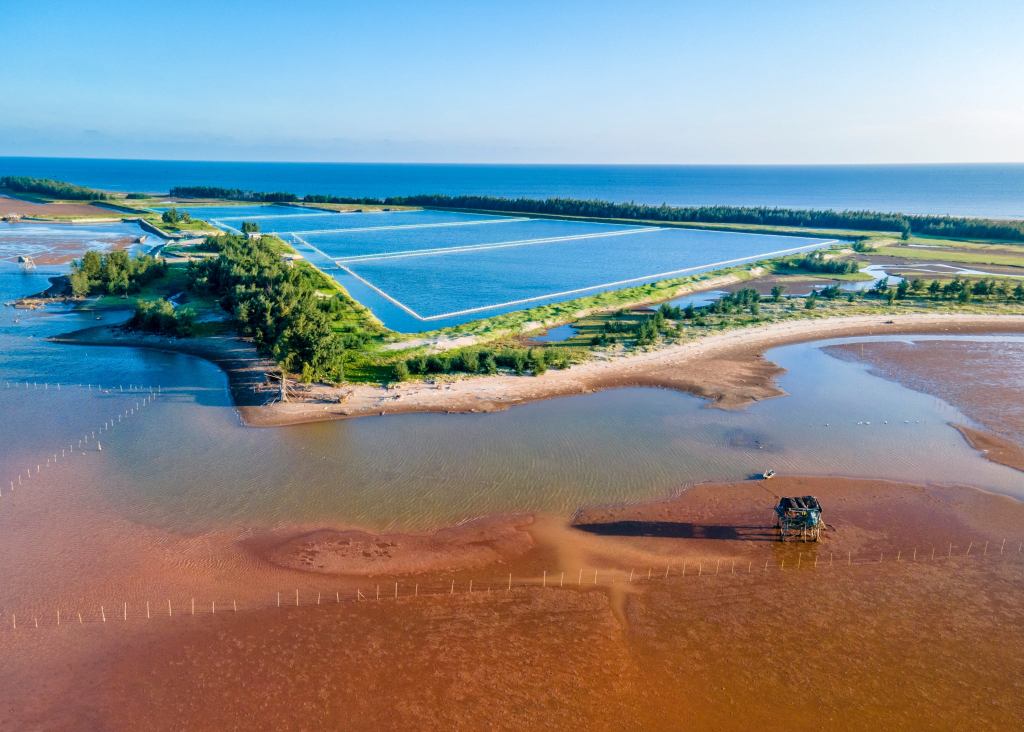
Shrimp Farming Practices and Gender Participation in the Red River Delta, Vietnam
Across all shrimp farming systems, gender roles remain clearly differentiated. Men predominantly control decision-making, investment, and technical operations, particularly in intensive farming systems. Women’s participation is largely supportive, focusing on harvesting, daily maintenance tasks, and household financial management.
-
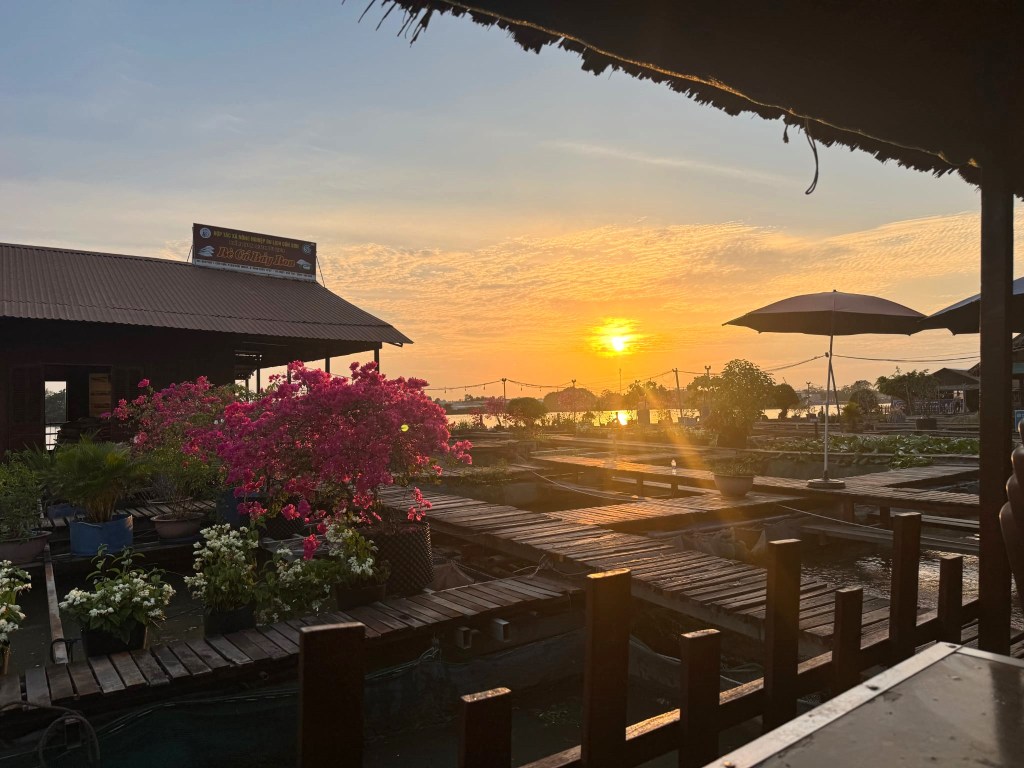
Integrating GEDSI into Aquaculture and Community Tourism: Voices of Farmers in Con Son, Vietnam Mekong Delta
The experiences of farmers in Con Son demonstrate that gender equality is not only a social issue but also a development opportunity. When women and marginalized groups have equal access to resources, knowledge, and decision-making processes, aquaculture systems become more productive, resilient and sustainable.
-
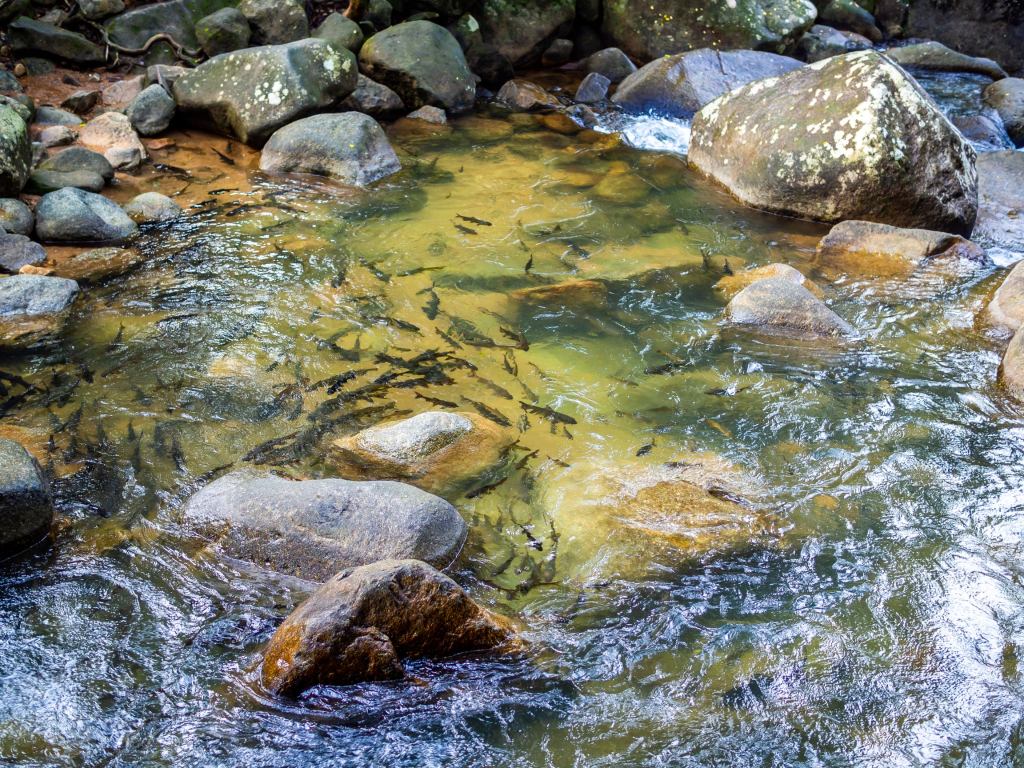
Managed Conservation and Sustainable Utilization of Native Fish in Thailand’s Omkoi District
The integration of conservation and sustainable utilization strategies represents a promising approach for managing freshwater resources in rural highland regions. The experience of Omkoi District demonstrates that community-based aquaculture can effectively enhance food security and at the same time reduce pressure on natural fish populations.
-
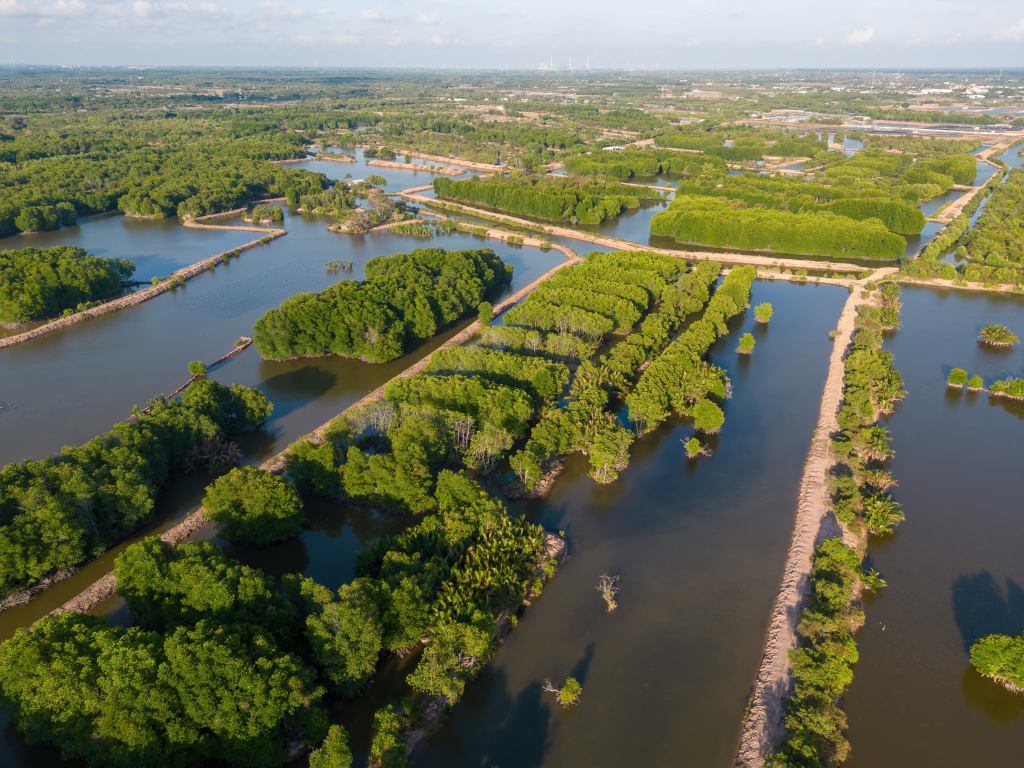
Roles, Limitations, and Opportunities for Women to Work in Cambodia’s Integrated Shrimp-Mangrove Systems
In terms of shrimp-mangrove farming in Cambodia, the existing evidence implies that women are key laborers, marketers, and household decision‑makers, but are poorly represented in formal farm, cooperative, and mangrove‑governance decisions. Designing farming systems to be equitable requires explicit inclusion of women in producer groups, co‑management institutions, training, and benefit‑sharing mechanisms.
-
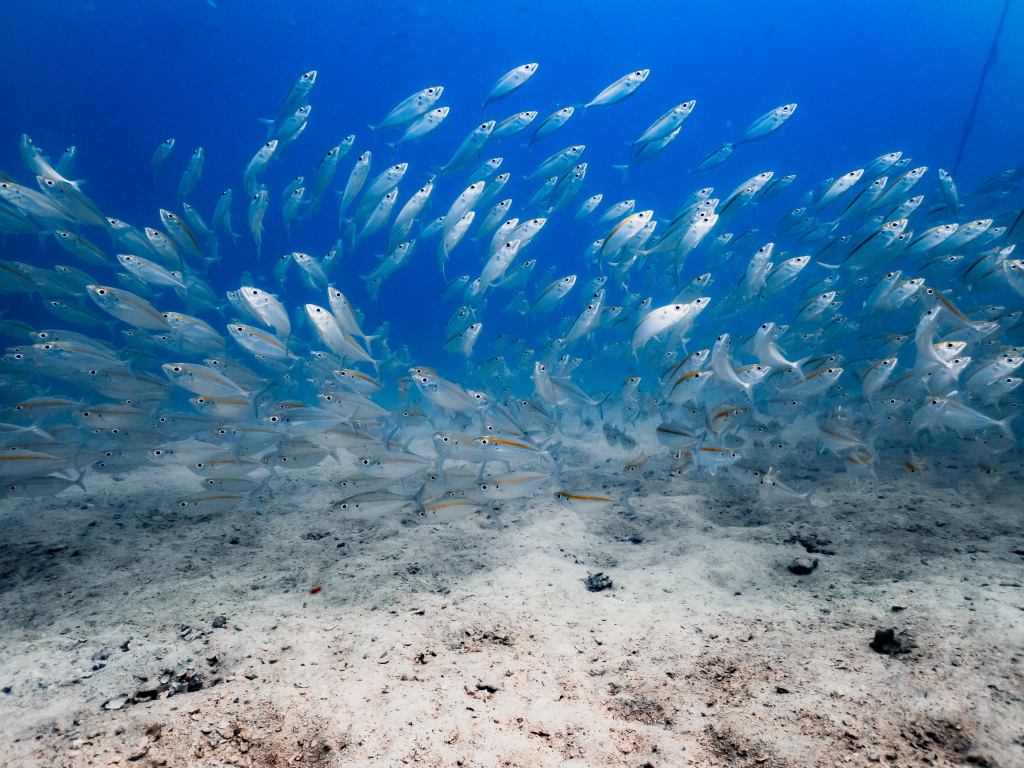
Harnessing Genetic Improvement as a Nature-based Solution for a Sustainable and Resilient Aquaculture in the Asia-Pacific
As policymakers and development partners increasingly prioritize the concepts of both NbS and Gender Equality and Social Inclusion (GESI), integration of genetic improvement programs into aquaculture strategies offers a practical and scalable method to foster resilient, equitable, and sustainable aquatic food systems for all.

