Category: Systems and Technologies
-
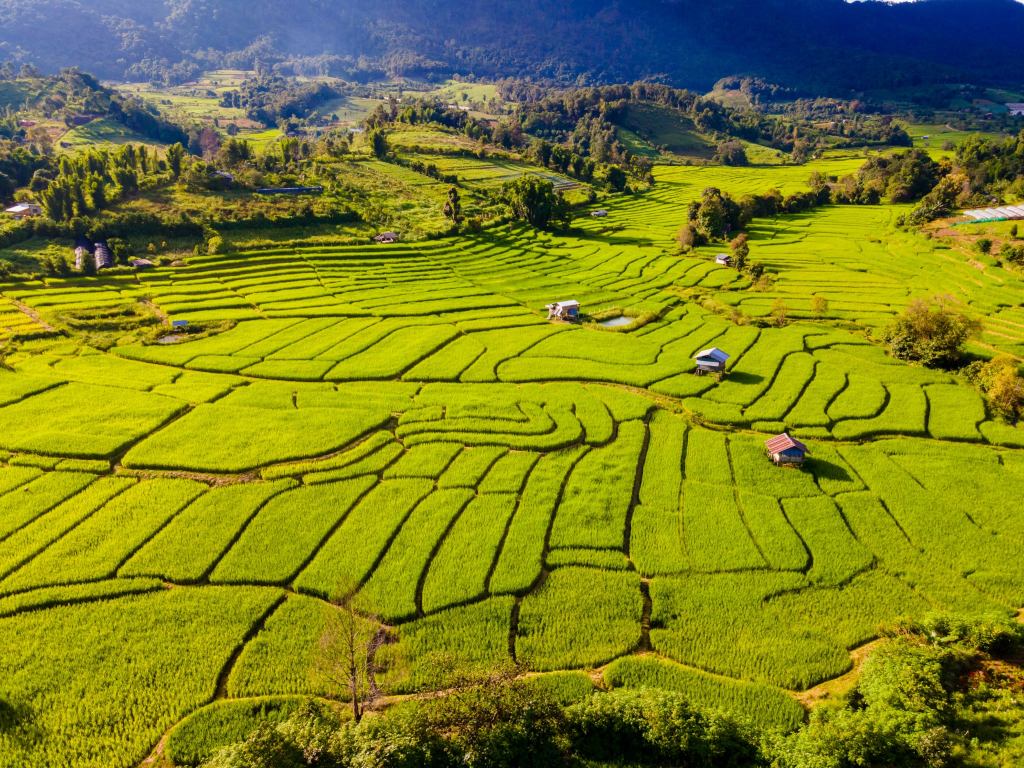
A Fish-Centered Organic Farming System Driving Sustainability in Tungtom, Chiang Rai
The Tungtom experience suggests that sustainable development is most effective when it is rooted in local contexts and driven by community participation. By placing fish at the center of an integrated system, the community has created a model that is not only productive but also adaptive and resilient.
-
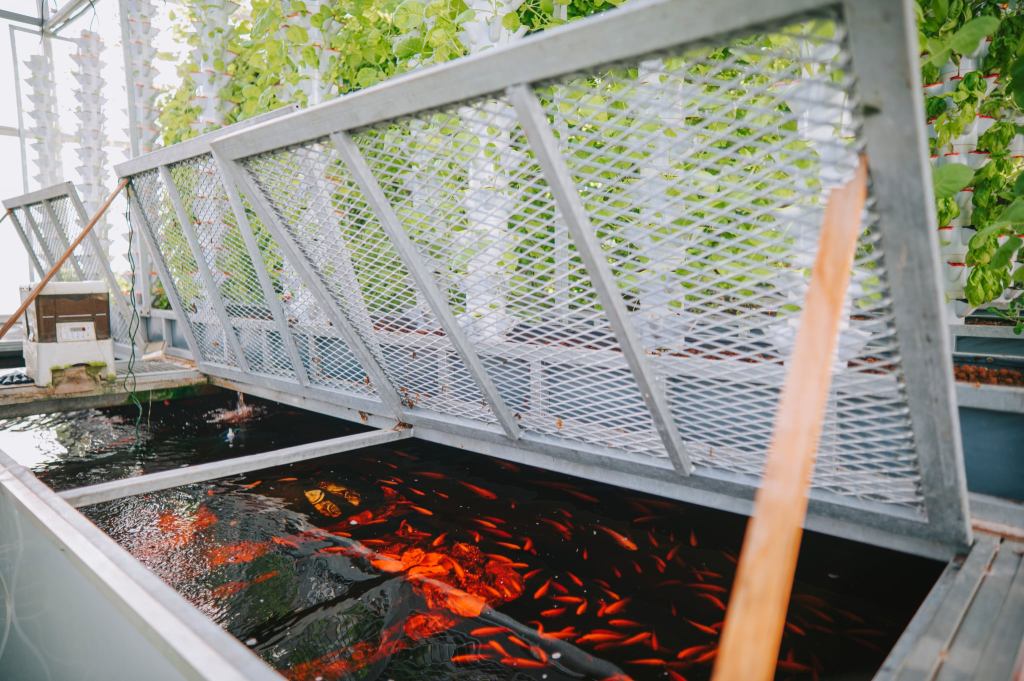
Aquaponics: Balancing Economic Productivity and Environmental Protection in Aquaculture
The aquaponics system produces both animal protein and fresh vegetables within the same footprint. Fish provide a reliable source of dietary protein, while leafy greens and vegetables grown using treated wastewater contribute to household nutrition and potential surplus income.
-
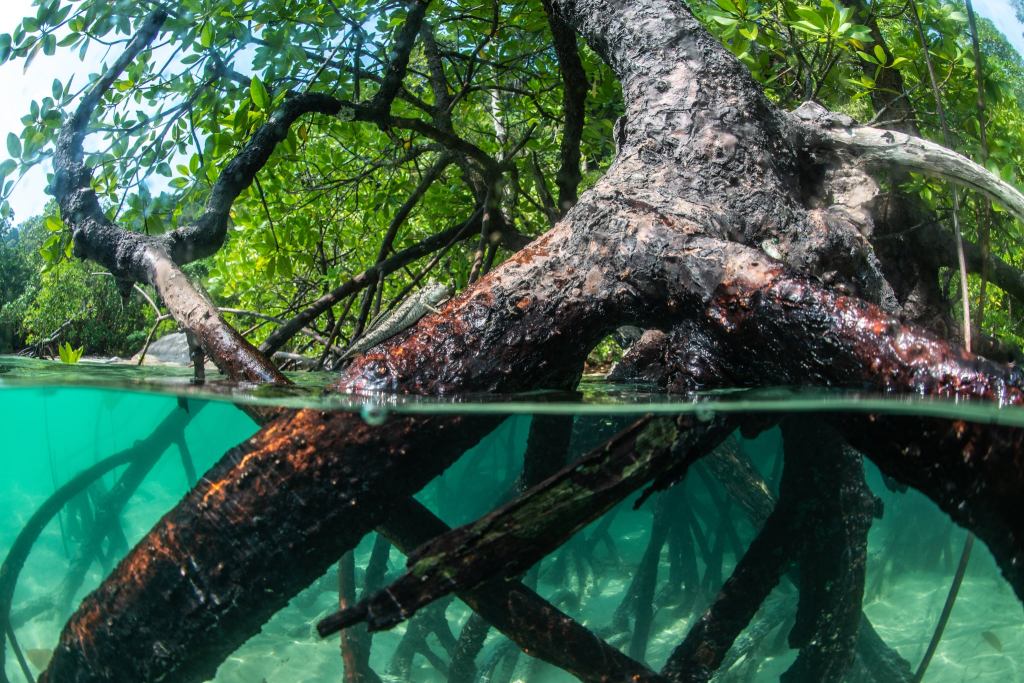
How Mangrove Forest Play a Vital Role in Cambodia’s Aquaculture
Mangroves are indispensable for Cambodian aquaculture, delivering ecological, protective, and economic benefits that underpin sustainability. Their decline due to destructive practices imperils food security and livelihoods, but mangrove-friendly innovations and policies offer a path forward.
-
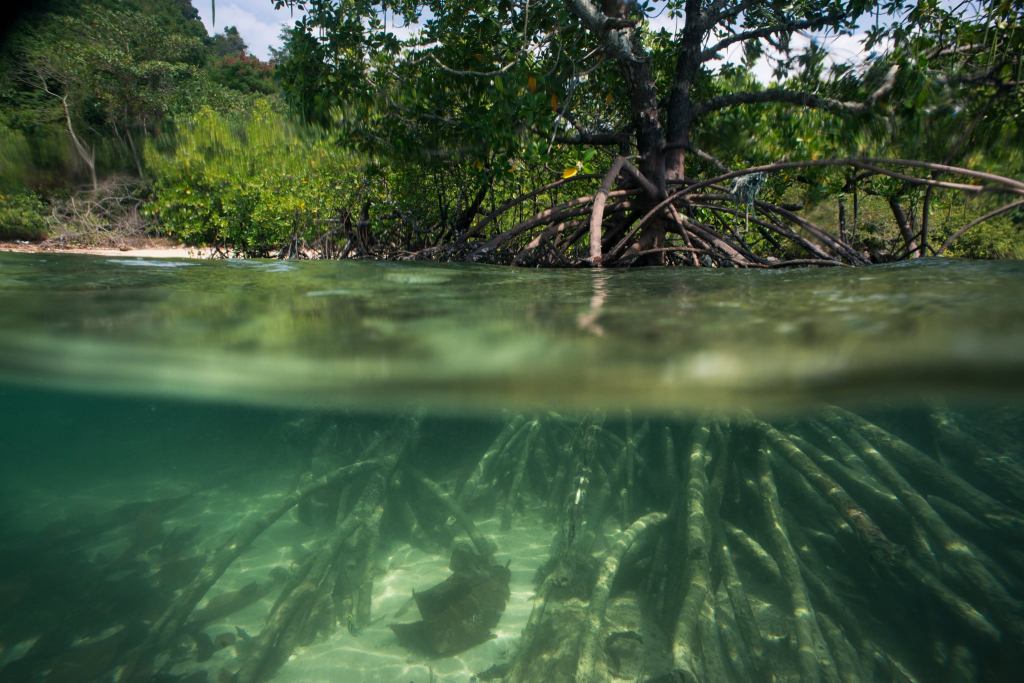
Live Fish House: Integrating Local Knowledge and Nature-Based Solutions
The “Live Fish House” model demonstrates that integrating local knowledge with Nature-based Solutions can generate synergistic outcomes for aquatic ecosystem restoration, livelihood enhancement, and sustainable fish production. By functioning as a habitat-based, culture-based fishery system, the model enhances natural recruitment, increases carrying capacity, and supports fish stock recovery without reliance on intensive aquaculture inputs.
-
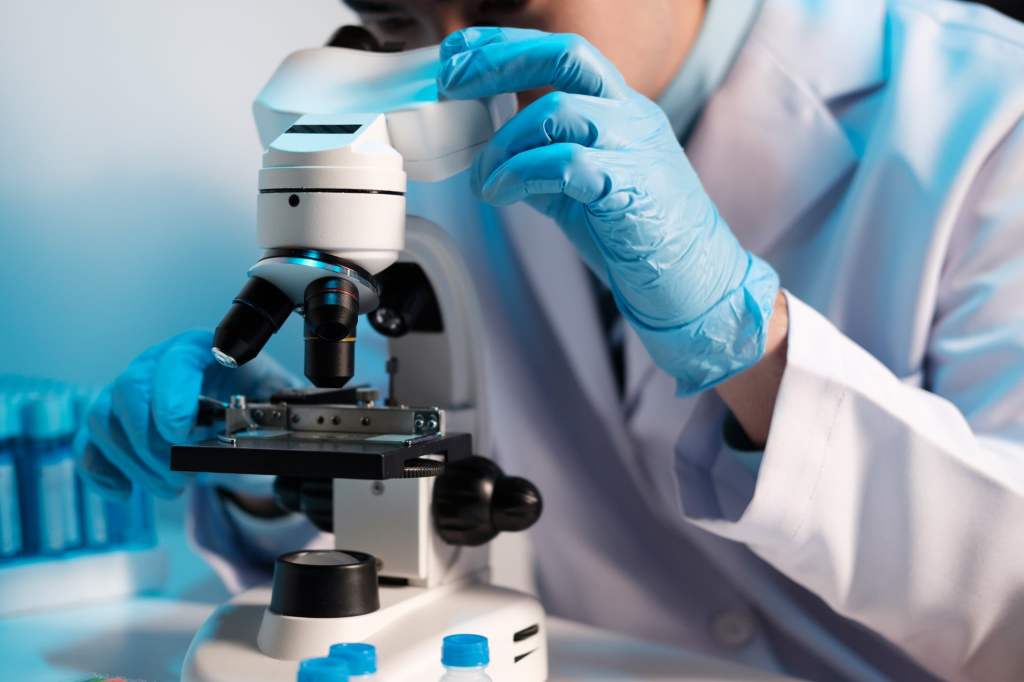
ShrimpGuard: Combining Phage and Immune Enhancers for Sustainable Shrimp Farming
Vibriosis is a major threat to shrimp farming. Implementing various preventive measures and integrating new antibiotic alternatives like ShrimpGuard will minimize the dependence on antibiotics as well as mitigate the risk posed by antimicrobial resistant bacteria.

