Category: Environmentally Friendly Aquaculture
-
Gendered Adoption of Smart Aquaculture Technologies
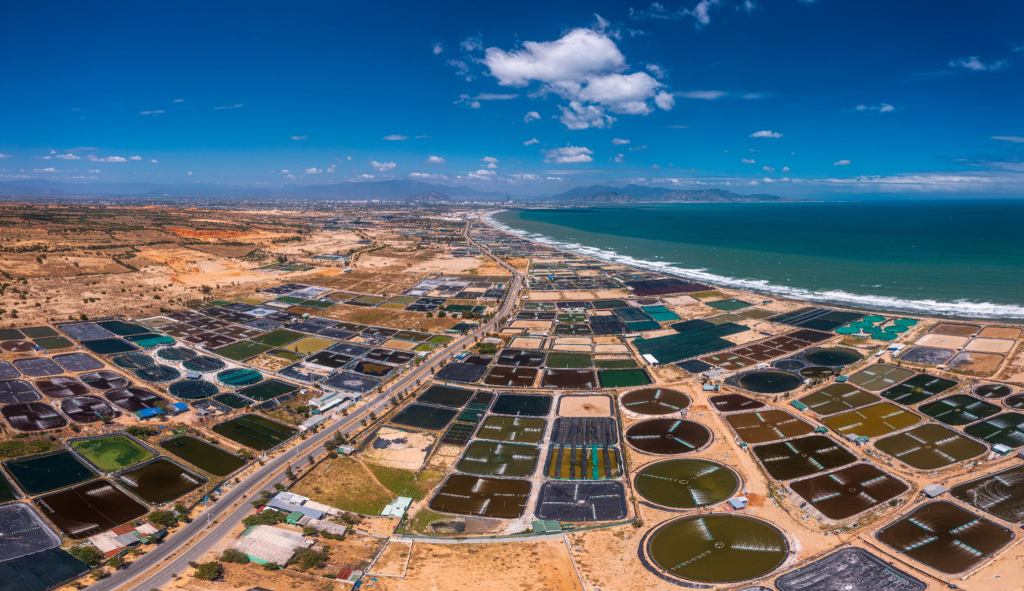
The women who manage Mekong Delta ponds every day, who know by observation when water conditions are changing, and who absorb the financial shocks of disease outbreaks in their household budgets, are already doing the work that smart aquaculture is designed to support.
-
Vietnam’s Aquaculture Industry, Its Emissions and Its Potential Carbon Markets
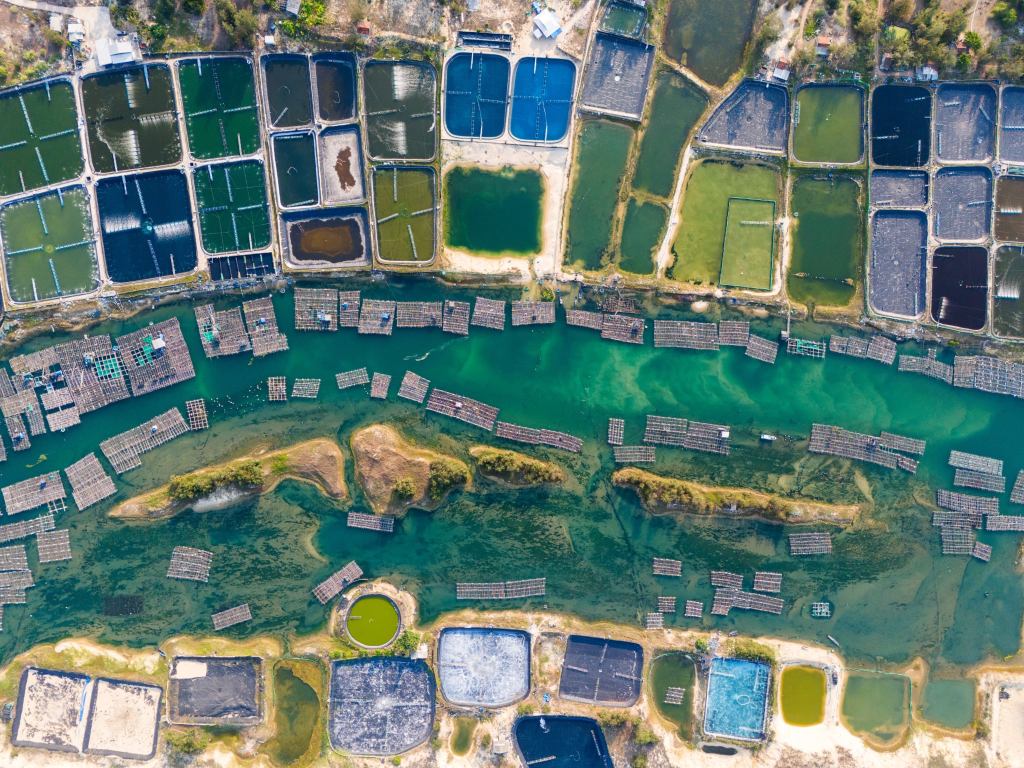
The adoption of environmentally friendly models such as recirculating aquaculture systems (RAS), Biofloc technology, rice-shrimp and mangrove-shrimp farming, can reduce emissions, protect ecosystems, create opportunities to participate in carbon markets, and thereby generate additional income for coastal communities.
-
Shades of Green: The Various Colors of Sustainable Aquaculture
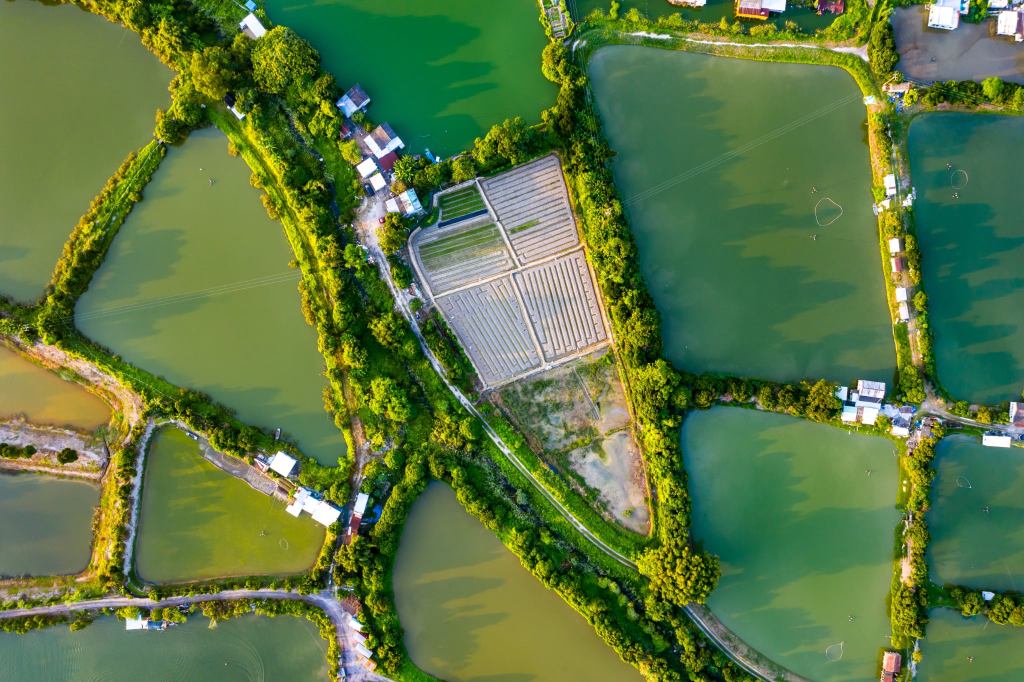
Sustainability in aquaculture’s shrimp sector has borne many colors. At first, sustainability came with the realization that the environment should be protected and deforestation avoided. Then, sustainability grew to mean a formal list of social and environmental safeguards which growers had to comply with in exchange for a higher income.
-
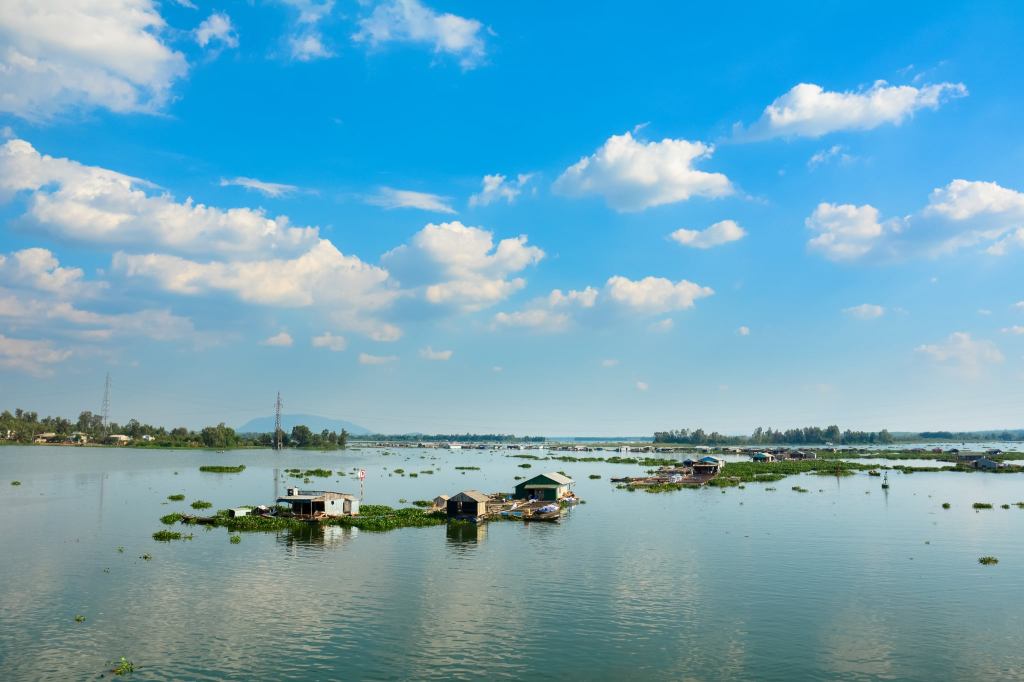
Community-Based Aquaculture in Laos: A Potential Livelihood Alternative During Fishery Conservation
When local people are empowered with new skills and livelihoods are diversified, the community is better able to adapt to environmental concerns and climate change. The community then remains a resilient, self-sufficient guardian of its river.
-
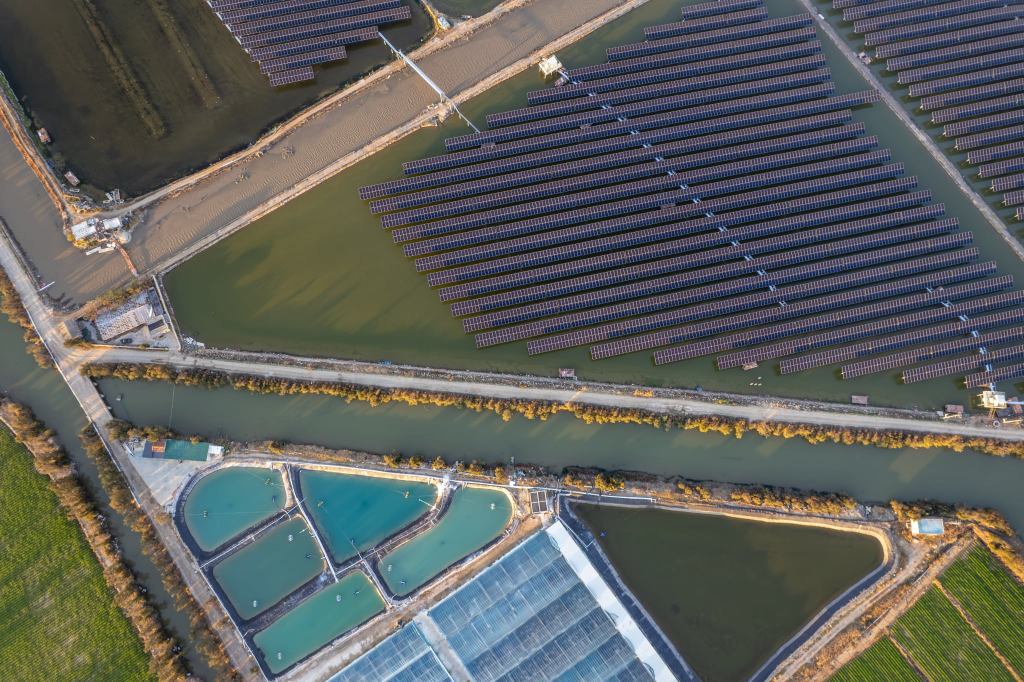
Solar-Powered Shrimp Farming: Lessons From the Mekong Delta, Vietnam
In a coastal commune of Ca Mau’s Dong Hai district, Mr. Trinh Van Hoac stands by the edge of his shrimp ponds, watching the rhythmic churn of paddle aerators. For years, the hum of these machines was accompanied by a persistent anxiety: the rising cost of electricity.

