AQUADAPT-Nature Project
(2023–2027)
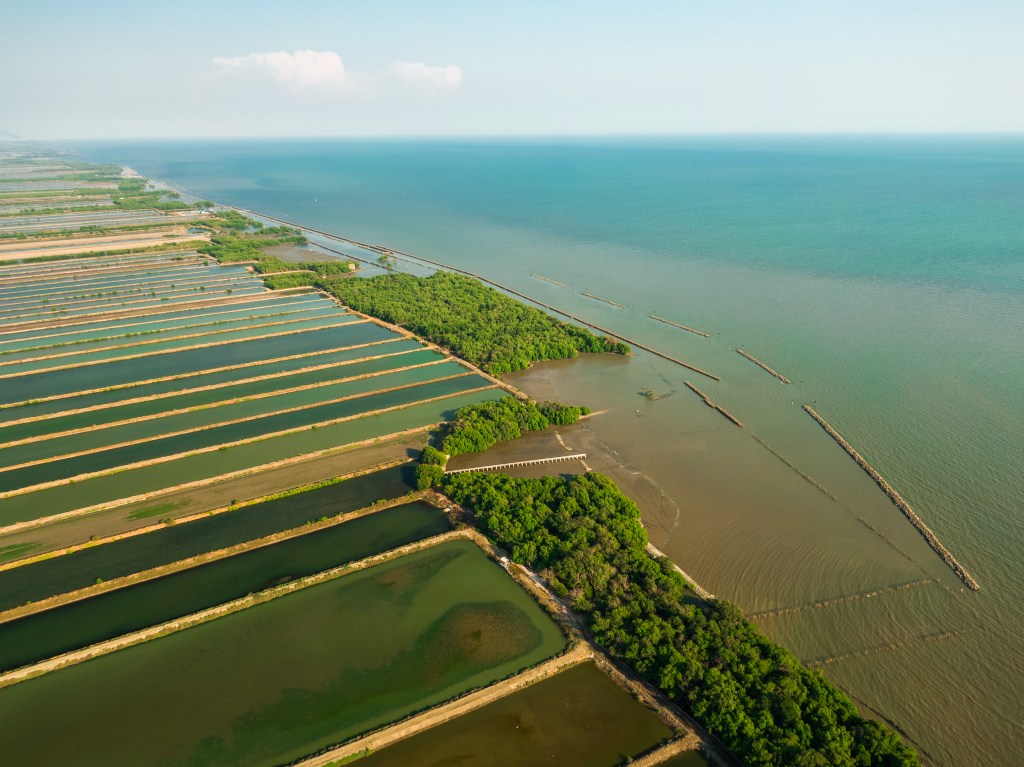
Increase the available sustainable options for small and medium-scale aquaculture farms that face climate change challenges in Thailand and Vietnam.
Recent Essays
-
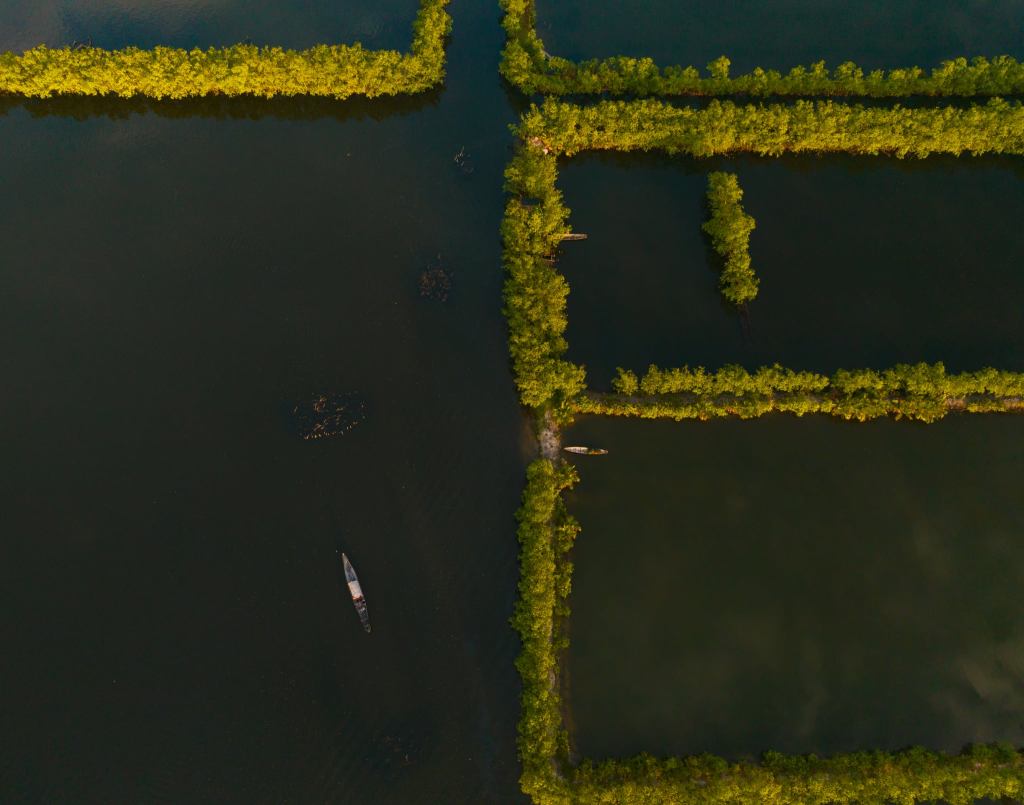
การทบทวนแนวคิดเรื่องรายได้เพื่อการดำรงชีพในระบบการเพาะเลี้ยงกุ้งร่วมกับป่าชายเลนของประเทศเวียดนาม
งานวิจัยที่มีอยู่ส่วนใหญ่แสดงให้เห็นว่าการเลี้ยงกุ้งร่วมกับป่าชายเลนสามารถสร้างรายได้ได้จริง แต่แทบไม่มีการประเมินว่ารายได้ดังกล่าวมีความเพียงพอมีเสถียรภาพและมีความยืดหยุ่นมากพอที่จะรองรับการดำรงชีวิตในมาตรฐานที่เหมาะสมได้อย่างต่อเนื่องในระยะยาวหรือไม่ Read more
-
Rethinking the Living Income in Vietnam’s Mangrove-Shrimp Aquaculture
Existing research largely demonstrates that mangrove-shrimp farming can generate income, yet it rarely evaluates whether these earnings are sufficient, stable, and resilient enough to ensure a decent standard of living over time. Read more
-
Nuôi trồng thủy sản thông minh dưới góc nhìn giới
Những người phụ nữ đang quản lý ao nuôi mỗi ngày ở Đồng bằng sông Cửu Long, những người có thể nhận ra sự thay đổi của chất lượng nước qua quan sát và kinh nghiệm, những người phải gánh vác những tổn thất kinh tế do dịch bệnh thủy sản gây ra cho gia… Read more
-
การนำเทคโนโลยีการเพาะเลี้ยงสัตว์น้ำอัจฉริยะมาใช้ในมิติทางเพศสภาพ
ผู้หญิงที่ดูแลบ่อเพาะเลี้ยงในพื้นที่สามเหลี่ยมปากแม่น้ำโขงทุกวัน ผู้ซึ่งรับรู้ได้จากการสังเกตเมื่อสภาพน้ำเกิดการเปลี่ยนแปลง และผู้ที่ต้องรับภาระจากผลกระทบทางการเงินของการเกิดโรคระบาดในงบประมาณครัวเรือน ผู้หญิงเหล่านี้ กำลังปฏิบัติงานที่การเพาะเลี้ยงสัตว์น้ำอัจฉริยะถูกออกแบบมาเพื่อสนับสนุนอยู่แล้ว Read more
-
Gendered Adoption of Smart Aquaculture Technologies
The women who manage Mekong Delta ponds every day, who know by observation when water conditions are changing, and who absorb the financial shocks of disease outbreaks in their household budgets, are already doing the work that smart aquaculture is designed to support. Read more
-
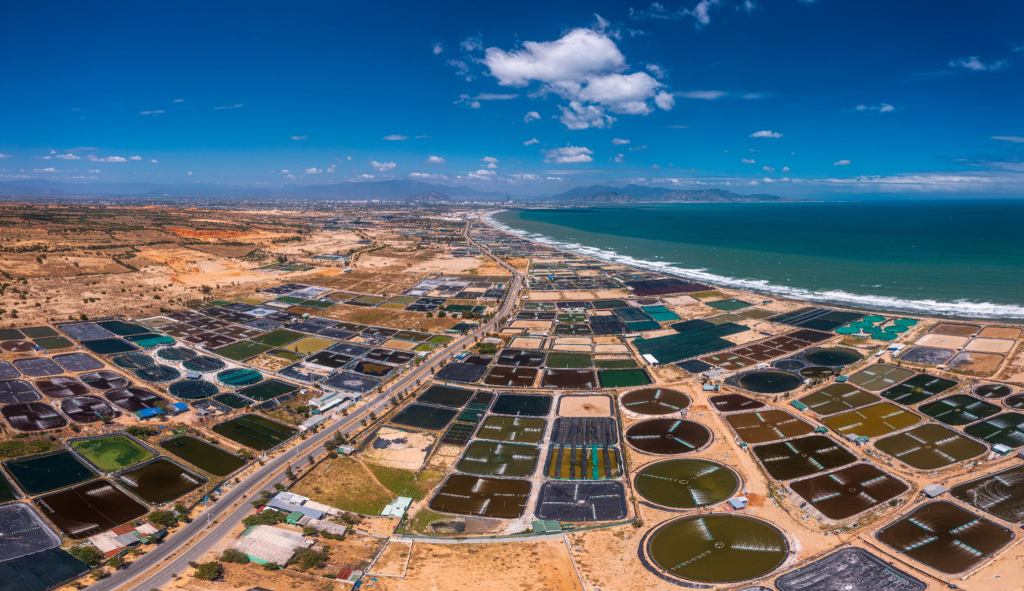
Ngành Nuôi trồng Thủy sản Việt Nam, sự phát thải và tiềm năng thị trường các-bon trong ngành thuỷ sản
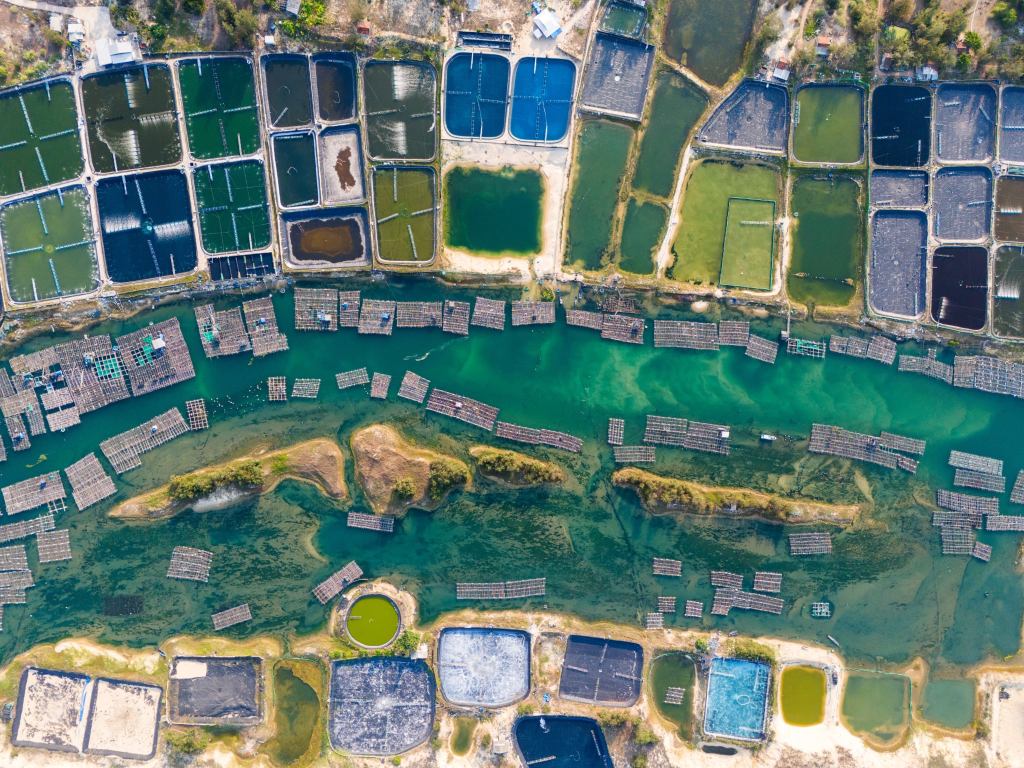
Việc áp dụng các mô hình thân thiện với môi trường như hệ thống nuôi tuần hoàn (RAS), công nghệ Biofloc, mô hình lúa – tôm và rừng ngập mặn – tôm có thể giúp giảm phát thải, bảo vệ hệ sinh thái, tạo cơ hội tham gia thị trường các-bon, và từ đó tạo… Read more
AQUADAPT-Mekong Project (2017-2020)
Assist fish farmers in five Mekong countries better manage climate-related risks, and thus capacities to adapt to climate change, through jointly evaluating and supporting the development or uptake of promising innovations.
AQUADAPT-Thailand Project (2012-2016)
Concerned with how the aquaculture sector could adapt to climate change, with an empirical focus on Tilapia grown in farm ponds or floating cages in rivers and reservoirs in Northern Thailand.
AQUADAPT Program
A jointly funded initiative by IDRC and the Government of Canada that addresses the intertwined critical challenges of climate change, biodiversity loss, and food insecurity through applied research in nature-based aquaculture in Southeast Asia and the Pacific region. Read more