Category: Environmentally Friendly Aquaculture
-
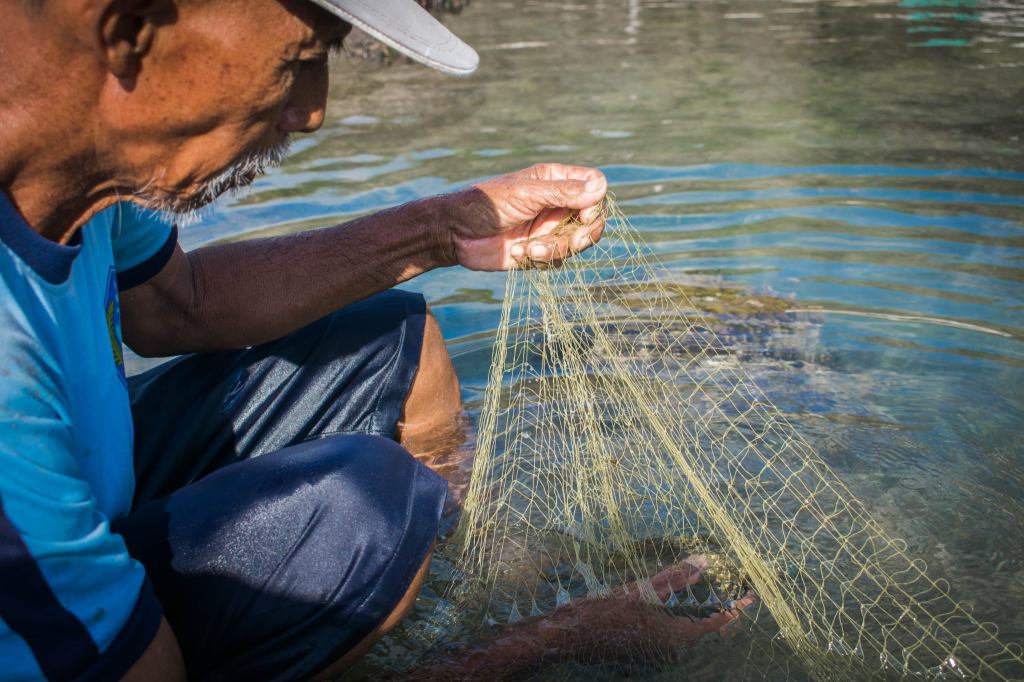
Adapting Aquaculture to an Aging Workforce: Labor-Reducing Nature-based Solutions
NbS can play a crucial role in promoting elderly inclusion in aquaculture by reducing labor intensity and aligning production systems. Rather than viewing population aging as a barrier to sustainability, labor-reducing NbS offer a pathway to enable older farmers to remain productively engaged in aquaculture with dignity, autonomy, and reduced physical strain.
-
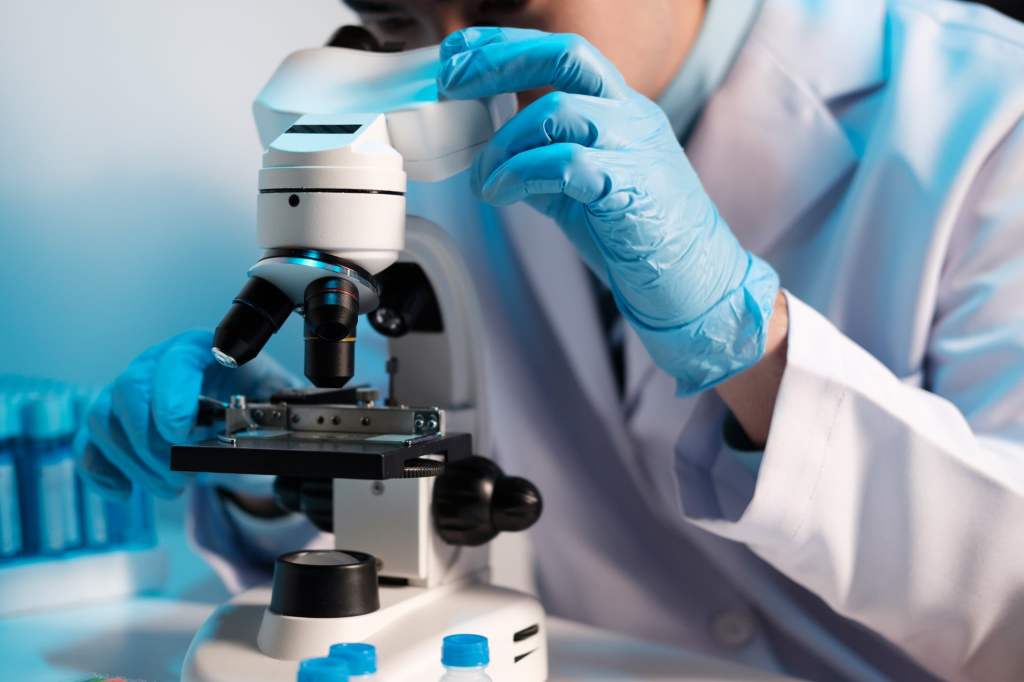
ShrimpGuard: Combining Phage and Immune Enhancers for Sustainable Shrimp Farming
Vibriosis is a major threat to shrimp farming. Implementing various preventive measures and integrating new antibiotic alternatives like ShrimpGuard will minimize the dependence on antibiotics as well as mitigate the risk posed by antimicrobial resistant bacteria.
-
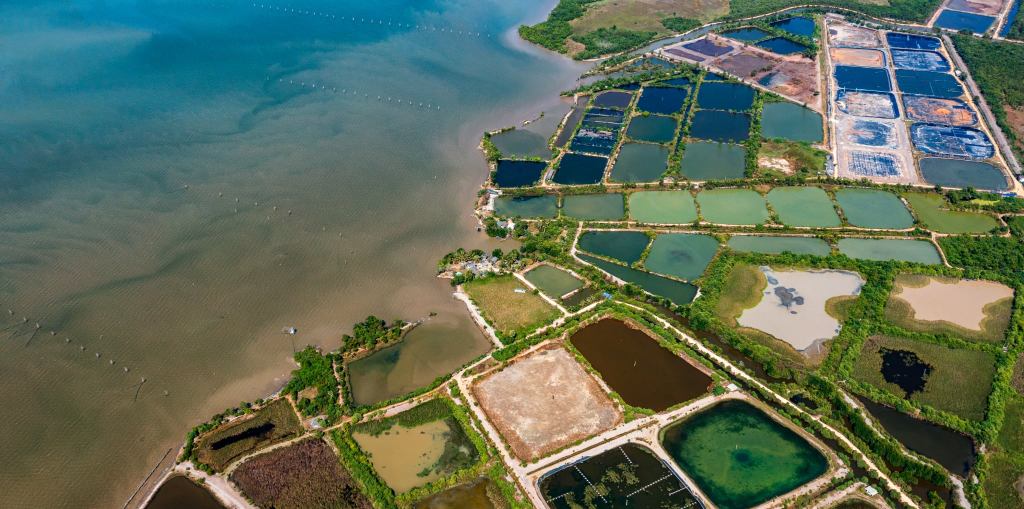
A Holistic Approach to Sustainable Aquaculture
Sustainable aquaculture, guided by nature-based principles, is a transformative approach to meeting growing seafood demand without compromising the health of the planet. By integrating Nature-based Solutions, advanced water treatment technologies like RAS, and biological interventions like probiotics and phage therapy, a more efficient, resilient, and responsible food production system can be created.
-
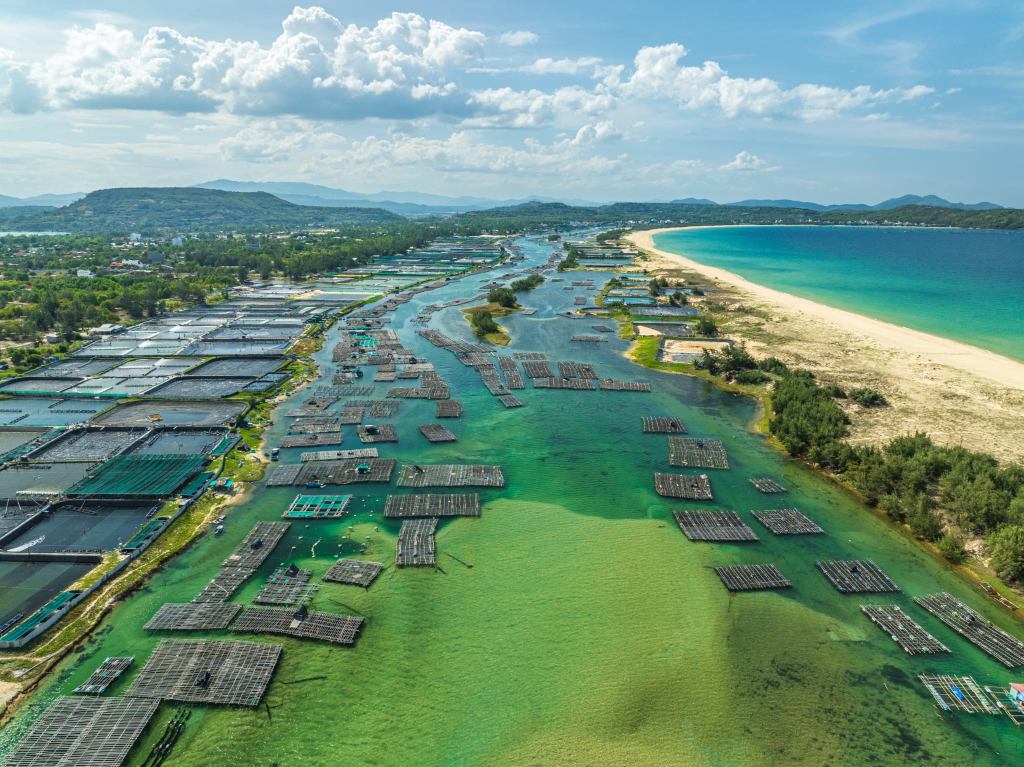
Disability Inclusion in Vietnam’s Aquaculture
Positioning persons with disabilities as active contributors within nature-based aquaculture systems allows Vietnam to mobilize underutilized local knowledge, reinforce community stewardship, and ensure that the transition toward sustainable aquaculture genuinely leaves no one behind.
-
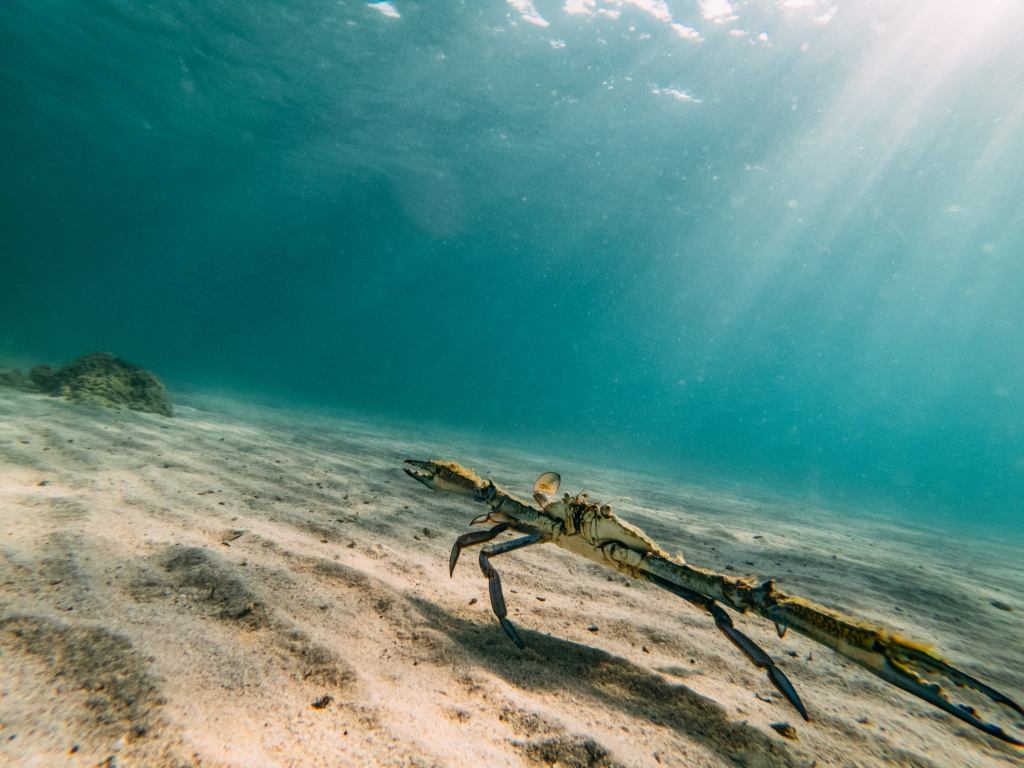
Muslim Women and Blue Crab Bank Conservation in Southern Thailand
Men and women worked together to found in 2010 the Blue Crab Bank, a Nature-based Solution (NbS), that bred and released egg-bearing crabs to restore the sea’s fertility. Women took central roles in this transition.
 AQUADAPT