Category: Governance and Economics
-
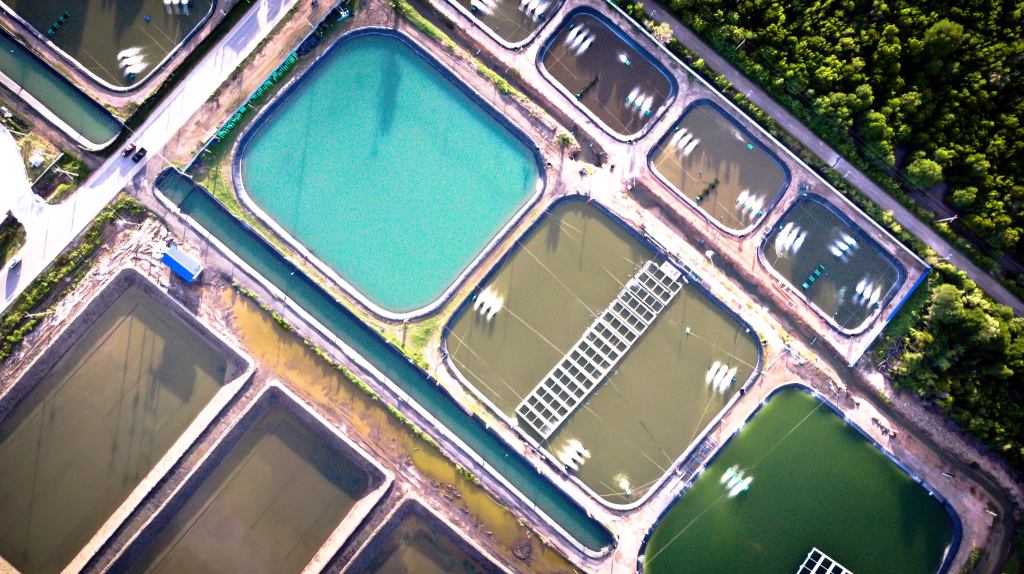
Chada Shrimp: Thailand’s New Commercial Shrimp Species
The “Chada Shrimp” initiative provides a blueprint for overcoming some vulnerabilities of modern aquaculture. By scaling up the production of local shrimp species adapted to both freshwater and brackish environments, Thailand can diversify away from intensive, disease-prone monocultures and thus secure its seafood supply chain for generations to come.
-
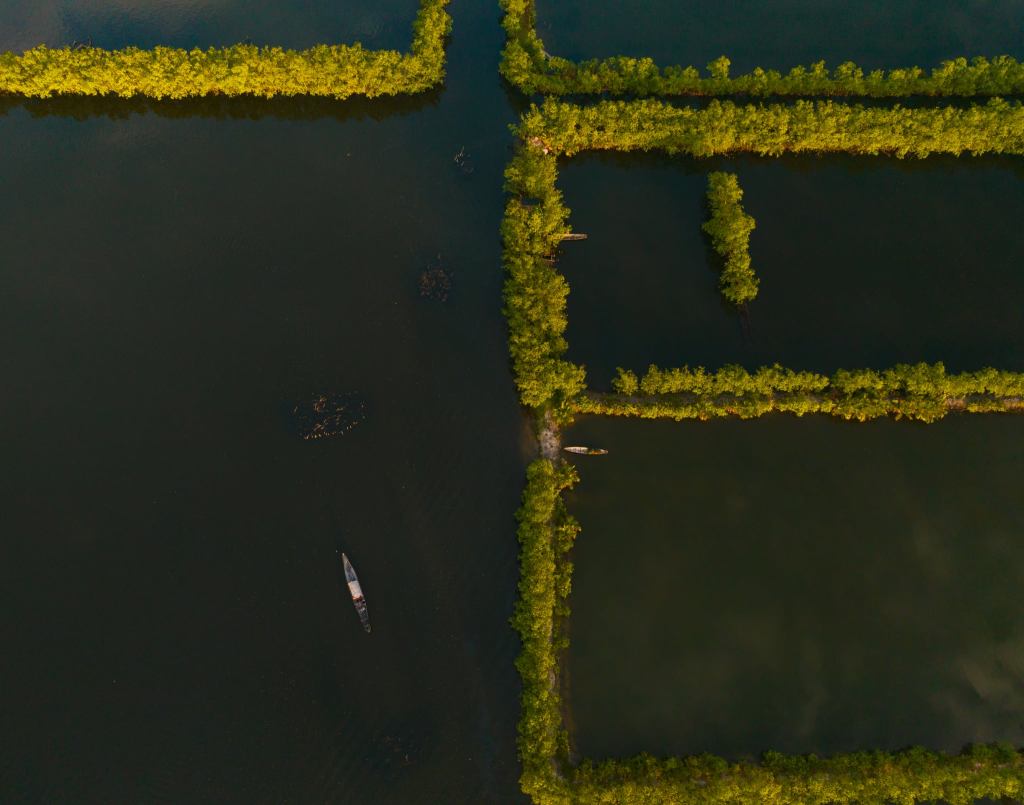
Rethinking the Living Income in Vietnam’s Mangrove-Shrimp Aquaculture
Existing research largely demonstrates that mangrove-shrimp farming can generate income, yet it rarely evaluates whether these earnings are sufficient, stable, and resilient enough to ensure a decent standard of living over time.
-
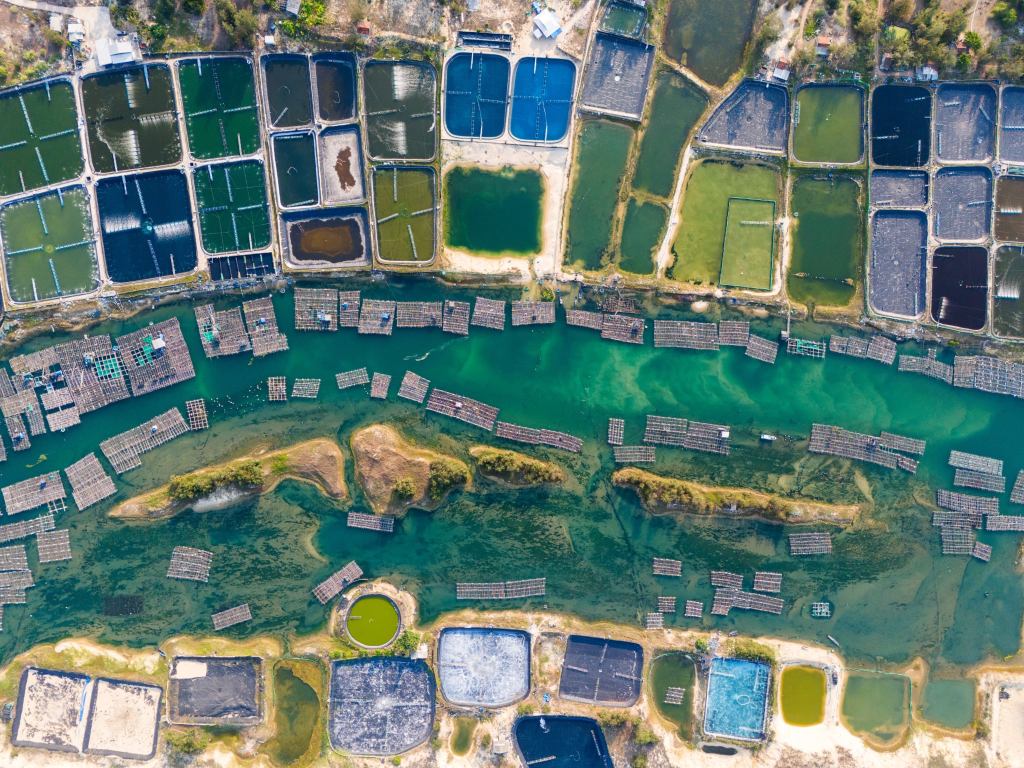
Vietnam’s Aquaculture Industry, Its Emissions and Its Potential Carbon Markets
The adoption of environmentally friendly models such as recirculating aquaculture systems (RAS), Biofloc technology, rice-shrimp and mangrove-shrimp farming, can reduce emissions, protect ecosystems, create opportunities to participate in carbon markets, and thereby generate additional income for coastal communities.
-
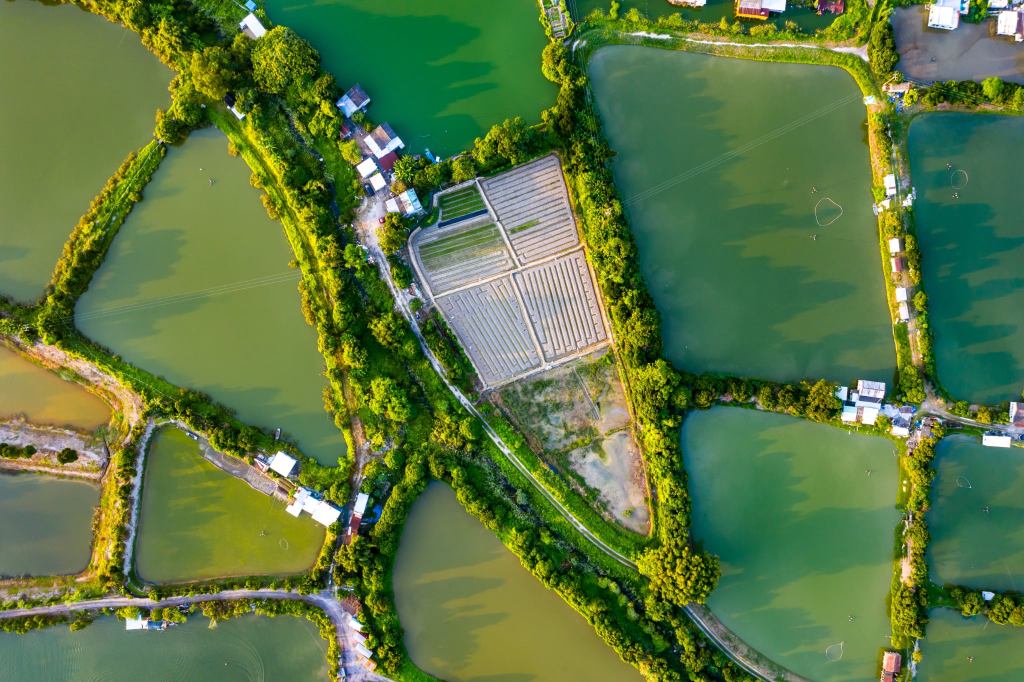
Shades of Green: The Various Colors of Sustainable Aquaculture
Sustainability in aquaculture’s shrimp sector has borne many colors. At first, sustainability came with the realization that the environment should be protected and deforestation avoided. Then, sustainability grew to mean a formal list of social and environmental safeguards which growers had to comply with in exchange for a higher income.
-
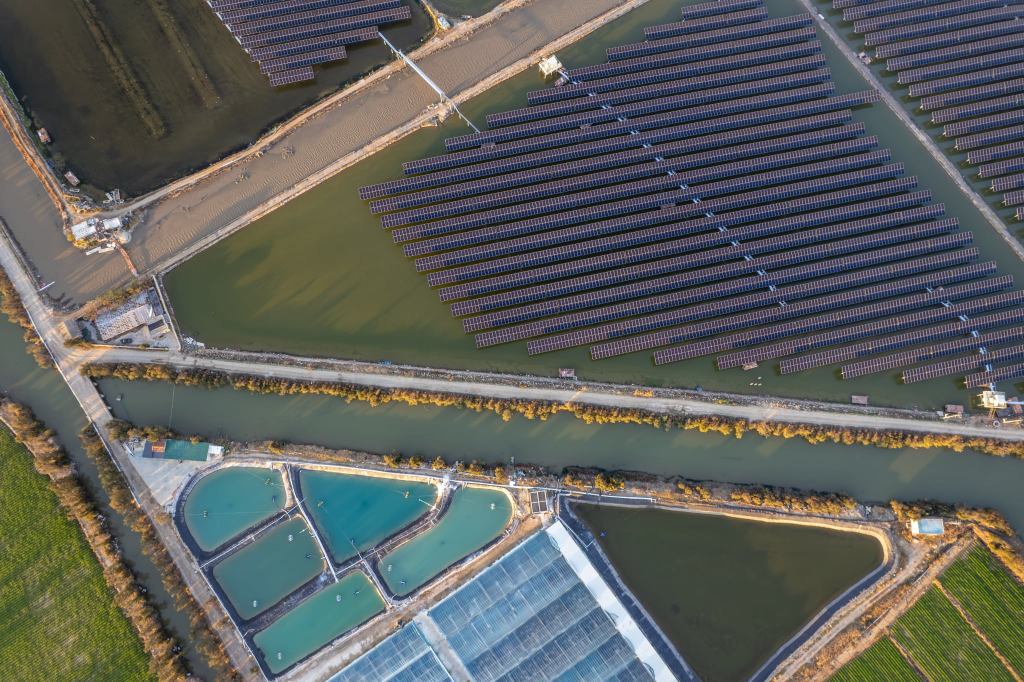
Solar-Powered Shrimp Farming: Lessons From the Mekong Delta, Vietnam
In a coastal commune of Ca Mau’s Dong Hai district, Mr. Trinh Van Hoac stands by the edge of his shrimp ponds, watching the rhythmic churn of paddle aerators. For years, the hum of these machines was accompanied by a persistent anxiety: the rising cost of electricity.

